Libya's Ancient Garamantes Civilization
The Garamantes civilization was a sophisticated society in the Libyan desert. They built a complex network of tunnels and irrigation systems to support farming. Archaeologist Charles Daniels uncovered evidence of this civilization in 1961.
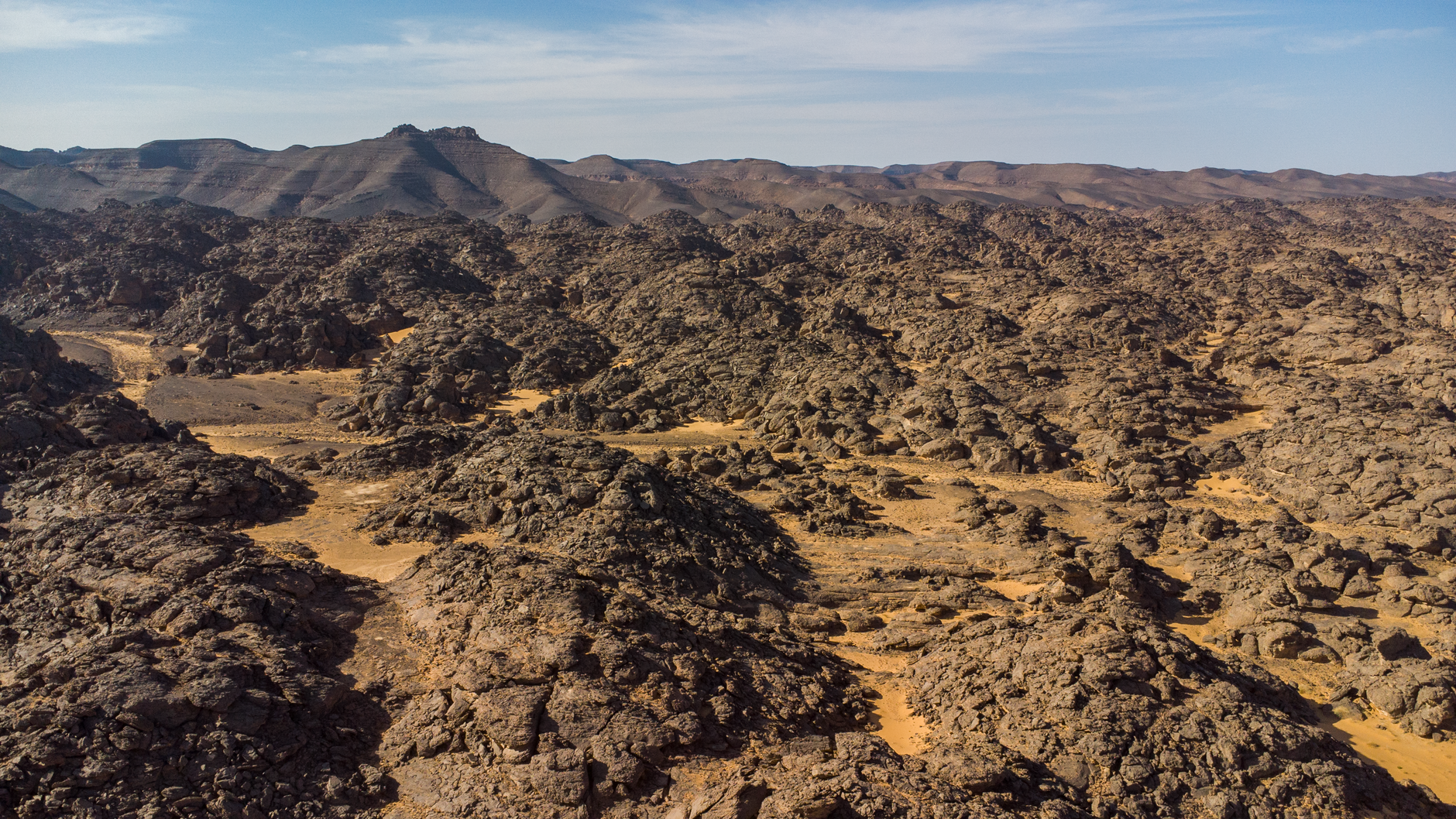
Photo by محمد النائلي - Mohammed Alnaily on Pexels
The Garamantes Civilization: Libya's Desert Farmers with 2,000 Miles of Tunnels On February 2, 1961, archaeologist Charles Daniels began excavating the ancient city of Garama, uncovering evidence of a sophisticated civilization in the Libyan desert. Daniels' team discovered a complex network of tunnels and irrigation systems that supported a large population of farmers. By 1965, the team had mapped over 2,000 miles of these tunnels.
What Everyone Knows
Most people think that ancient civilizations in the desert were primarily nomadic, relying on trade and herding for survival. The standard story goes that these groups were small and fragmented, lacking the infrastructure and organization to support large-scale agriculture. This view is perpetuated by popular accounts of desert cultures, which often focus on their mobility and adaptability rather than their agricultural prowess.
What History Actually Shows
Historian David Mattingly, in his book "The Archaeology of the Roman African Frontier," argues that the Garamantes civilization was a major exception to this rule. By 500 BC, the Garamantes had developed a sophisticated system of agriculture, using over 2,000 miles of tunnels to bring water from distant sources to their fields. According to the Roman historian Pliny the Elder, the Garamantes were a powerful and prosperous people, with a large population and a high standard of living. By 100 AD, the Garamantes had established trade relationships with the Roman Empire, exchanging goods such as grain and olive oil for luxury items like glass and metalwork. Archaeologist Susan Alcock, in her study of the Garamantes' irrigation systems, notes that the construction of these tunnels required a high degree of organization and engineering skill, and that the Garamantes were able to support a large population of farmers and herders as a result. By 200 AD, the Garamantes civilization was at its peak, with a complex system of government and a strong economy based on agriculture and trade.
The Part That Got Buried
Historians and archaeologists have long been aware of the Garamantes civilization, but their story was largely ignored due to the actions of European colonizers and academic institutions. The Italian colonial administration in Libya, for instance, prioritized the excavation of Roman ruins over those of the Garamantes, diverting resources and attention away from the indigenous civilization. Scholars like Giovanni Gentili and Luigi Pernier, who conducted excavations in the region, focused primarily on the classical period, leaving the Garamantes to the sidelines. A concrete reason for this oversight was the lack of written records from the Garamantes themselves, as they left behind no surviving texts, making it difficult for historians to reconstruct their history. This oversight was further compounded by the fact that many of the Garamantes' artifacts and excavated materials were removed from the country and taken to European museums, where they were often relegated to storage or displayed as minor curiosities.
The Ripple Effect
The discovery of the Garamantes' sophisticated irrigation system, which spanned over 2,000 miles of tunnels, had a direct impact on modern agricultural practices in the region. Farmers in Libya and other parts of North Africa began to adopt similar techniques, using underground tunnels to bring water from distant sources to their fields. One specific modern thing that traces directly back to this event is the Kufra Oasis project, a large-scale agricultural development initiative launched in the 1970s, which relied heavily on the principles of irrigation engineering developed by the Garamantes. This project has had a lasting impact on the local economy and has enabled the cultivation of crops in one of the harshest desert environments on Earth.
The Line That Says It All
The Garamantes civilization was erased from historical records for centuries, its existence only rediscovered in the mid-20th century through a combination of archaeological excavations and careful analysis of classical texts.
A Note on Sources
This article draws on historical records, documented accounts, and academic research related to the Garamantes civilization and ancient Libyan history.