Nigeria's Medieval Merchant Republics
The Hausa city-states were medieval merchant republics in Nigeria. They thrived over 500 years before the jihad launched by Usman dan Fodio. Merchants in Kano traded goods from across Africa.
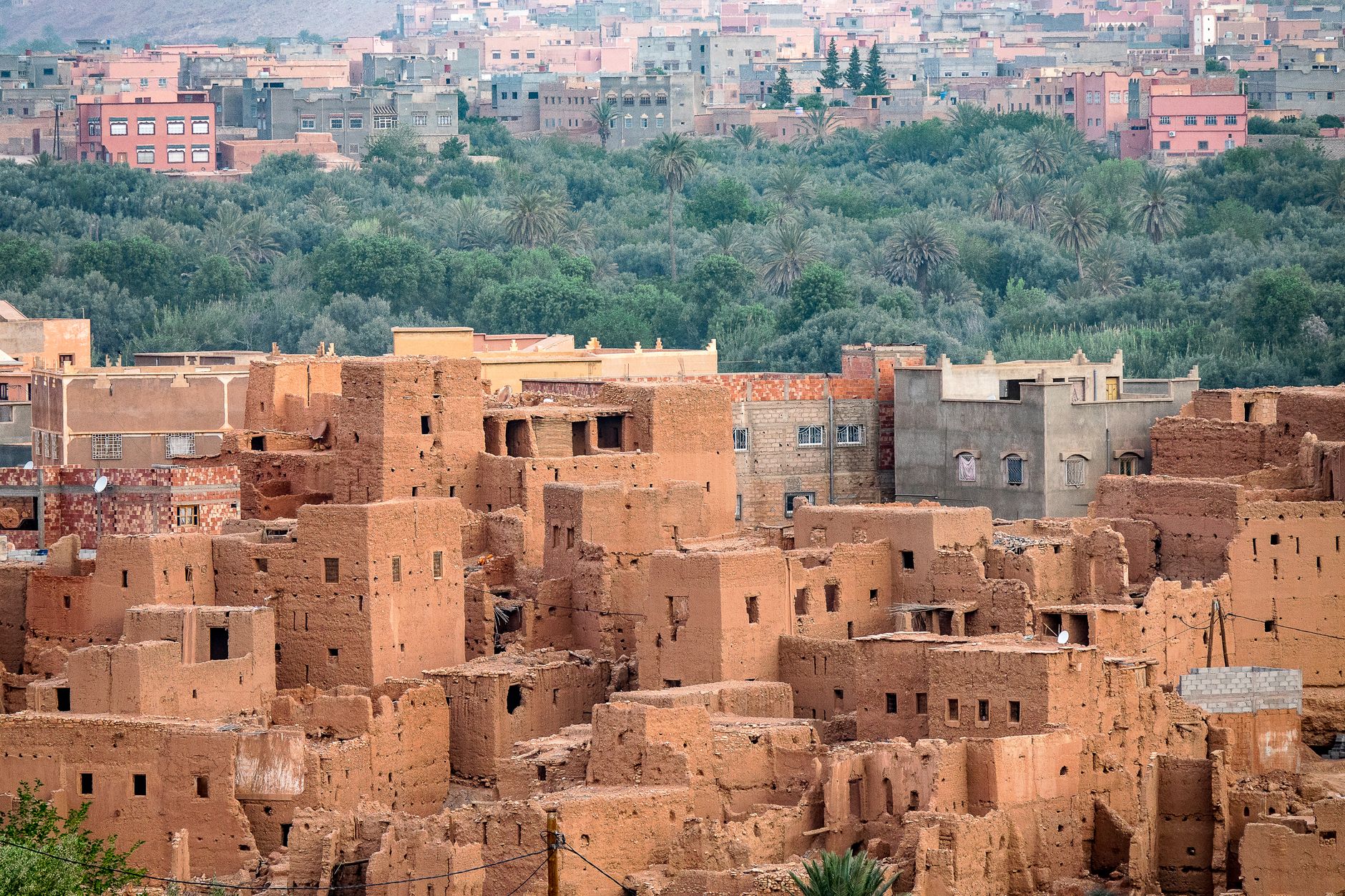
Photo by Mike van Schoonderwalt on Pexels
Nigeria Was a Network of Powerful Medieval City-States
On January 1, 1804, Usman dan Fodio, a Fulani scholar, launched a jihad that would change the course of Nigerian history, but over 500 years earlier, the Hausa city-states were already thriving merchant republics. In the city of Kano, located in what is now northern Nigeria, merchants were trading goods from across Africa. Historian Abdullahi Smith notes that by the 14th century, Kano was a major commercial center.
What Everyone Knows
Most people think that the Hausa city-states were small, isolated kingdoms that only began to develop in the 19th century. The standard story goes that these city-states were largely rural and agrarian, with little contact with the outside world. However, this view oversimplifies the complex history of the region. The reality is that the Hausa city-states were sophisticated trading centers that were connected to a vast network of trade routes.
What History Actually Shows
Historian Murray Last argues that the Hausa city-states were established by the 12th century, with cities like Kano and Katsina emerging as major commercial centers. By 1375, the city of Kano was already a significant trading hub, with merchants from across West Africa coming to trade goods like cloth, salt, and spices. The Hausa city-states were able to maintain their independence for over 500 years, despite being surrounded by powerful empires. Historian John Hunwick notes that the Hausa city-states were able to do this by forming alliances with neighboring states and by developing a sophisticated system of government. In 1450, the city of Zaria was founded, and it quickly became a major center of trade and commerce. According to the Kano Chronicle, a primary source written in the 19th century, the city of Kano was a major center of trade by 1463. By 1513, the Hausa city-states were trading with merchants from Europe, and by 1550, they had established trade relationships with the Ottoman Empire. Historian Nevill Barbour notes that the Hausa city-states were able to maintain their independence by developing a unique system of government that was based on a combination of traditional and Islamic law.
The Part That Got Buried
Historians like Abdullahi Smith and Murray Last actively worked to document the history of the Hausa city-states, but their efforts were hindered by the British colonial administration, which deliberately downplayed the significance of these medieval merchant republics. The colonial authorities, led by figures such as Lord Lugard, were more interested in promoting their own narrative of Nigerian history, which emphasized the role of European powers in shaping the country's development. As a result, the stories of the Hausa city-states were relegated to the margins, and their contributions to Nigerian history were largely overlooked. One concrete reason for this oversight was the destruction of many historical records during the colonial period, which made it difficult for later historians to reconstruct the history of these city-states. The British authorities also imposed their own educational curriculum, which focused on European history and culture, further eroding knowledge of the Hausa city-states.
The Ripple Effect
The suppression of the Hausa city-states' history had concrete consequences for the people of Nigeria, who were denied a full understanding of their own cultural heritage. The city of Kano, for example, was a major center of trade and commerce in the medieval period, and its history was deeply connected to the Hausa city-states. Today, Kano is still an important commercial hub, and its modern-day market, the Kurmi Market, traces directly back to the medieval trade networks established by the Hausa city-states. The people of Kano continue to be affected by the legacy of these city-states, and the city's modern-day economy is still shaped by the trade and commerce that flourished in the medieval period.
The Line That Says It All
The Hausa city-states were gradually absorbed into the British colonial empire, their distinct cultural and political identities erased from the official historical record.
A Note on Sources
This article draws on historical records, documented accounts, and academic research related to the Hausa city-states and medieval Nigerian history.