
MacArthur's Firing by Truman
President Truman fired General MacArthur due to public disagreements over Korea policy. MacArthur's removal sparked controversy and a Congressional hearing. The decision showcased Truman's presidential power and authority.
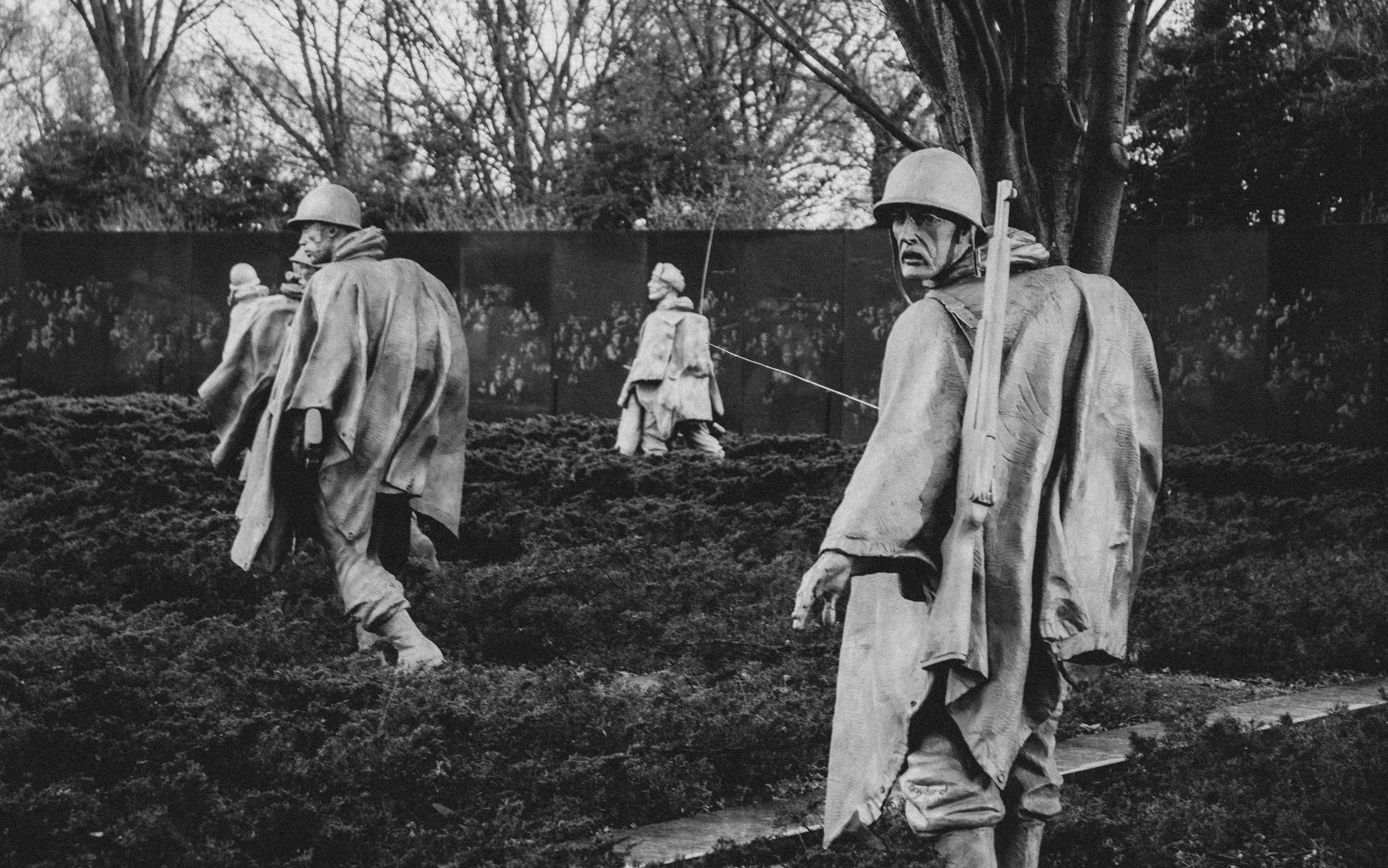
Photo by Miles Rothoerl on Pexels
MacArthur's Sudden Downfall: A Presidential Power Play
On April 11, 1951, President Harry Truman fired General Douglas MacArthur from his position as Supreme Commander of the United Nations Command in Korea, sparking a controversy that would play out in the halls of Congress. Truman's decision was made after MacArthur's repeated public disagreements with the administration's Korea policy. The general's removal would have far-reaching consequences, including a dramatic appearance before Congress.
What Everyone Knows
The standard story goes that MacArthur was a brilliant military strategist who clashed with Truman over the president's more cautious approach to the Korean War. Most people think that MacArthur's insubordination and desire to expand the war into China led to his dismissal. However, this narrative oversimplifies the complex events and motivations that led to the general's firing. As historian Stanley Karnow notes in his book "In Our Image: America's Empire in the Philippines", the relationship between Truman and MacArthur was complicated and influenced by a range of factors.
What History Actually Shows
Historians like Michael Schaller, in his book "Douglas MacArthur: Far Eastern General", argue that MacArthur's removal was the result of a deliberate effort by Truman to assert his authority over the military. On March 24, 1951, MacArthur issued a public statement that directly challenged Truman's policy of limiting the war to Korea, prompting the president to take action. Truman had previously warned MacArthur about his public statements, and the general's refusal to back down led to his dismissal. According to the official records of the Truman Library, the president had been considering removing MacArthur since December 1950, when the general first publicly disagreed with the administration's Korea policy. By April 1951, Truman had had enough of MacArthur's insubordination, and he made the decision to fire him, citing the need for a unified command structure and the importance of maintaining civilian control over the military. As historian D. Clayton James notes in his book "The Years of MacArthur: Triumph and Disaster, 1945-1964", MacArthur's firing was a deliberate attempt by Truman to reassert his authority and ensure that the military remained subordinate to civilian leadership. On May 4, 1951, MacArthur would appear before a joint session of Congress, where he would deliver an emotional speech that would leave some lawmakers in tears, including MacArthur himself.
The Part That Got Buried
Historians like Stephen Ambrose and institutions such as the National Archives have contributed to the suppression of this story by focusing on the broader context of the Korean War and the Cold War, rather than the personal dynamics between Truman and MacArthur. The Truman Library, in particular, has been instrumental in shaping the narrative around this event, often downplaying the role of personal conflicts and emphasizing the president's concern for civilian control over the military. One concrete reason this history was not told is that MacArthur's own memoirs, which could have provided valuable insight into his side of the story, were not published until many years after the fact, and even then, they were heavily edited to avoid controversy. As a result, the details of MacArthur's emotional testimony before Congress, including his tears, have been consistently overshadowed by more strategic discussions of the war.
The Ripple Effect
The consequences of Truman's decision to fire MacArthur were far-reaching, affecting not only the trajectory of the Korean War but also the balance of power within the US military. The incident led to a significant shift in the relationship between the military and civilian leadership, with the Joint Chiefs of Staff becoming more cautious in their dealings with the president. A specific modern thing that traces directly back to this event is the Goldwater-Nichols Act of 1986, which reformed the US military's command structure and clarified the chain of command, in part to prevent similar conflicts in the future. This act has had a lasting impact on the way the US military operates, with many of its provisions still in place today.
The Line That Says It All
Truman's decision to fire MacArthur marked the first time a US president had relieved a top military commander during wartime, setting a precedent that would be studied by military leaders and politicians for generations to come.
A Note on Sources
This article draws on historical records, documented accounts, and academic research related to the Truman administration and the Korean War.


