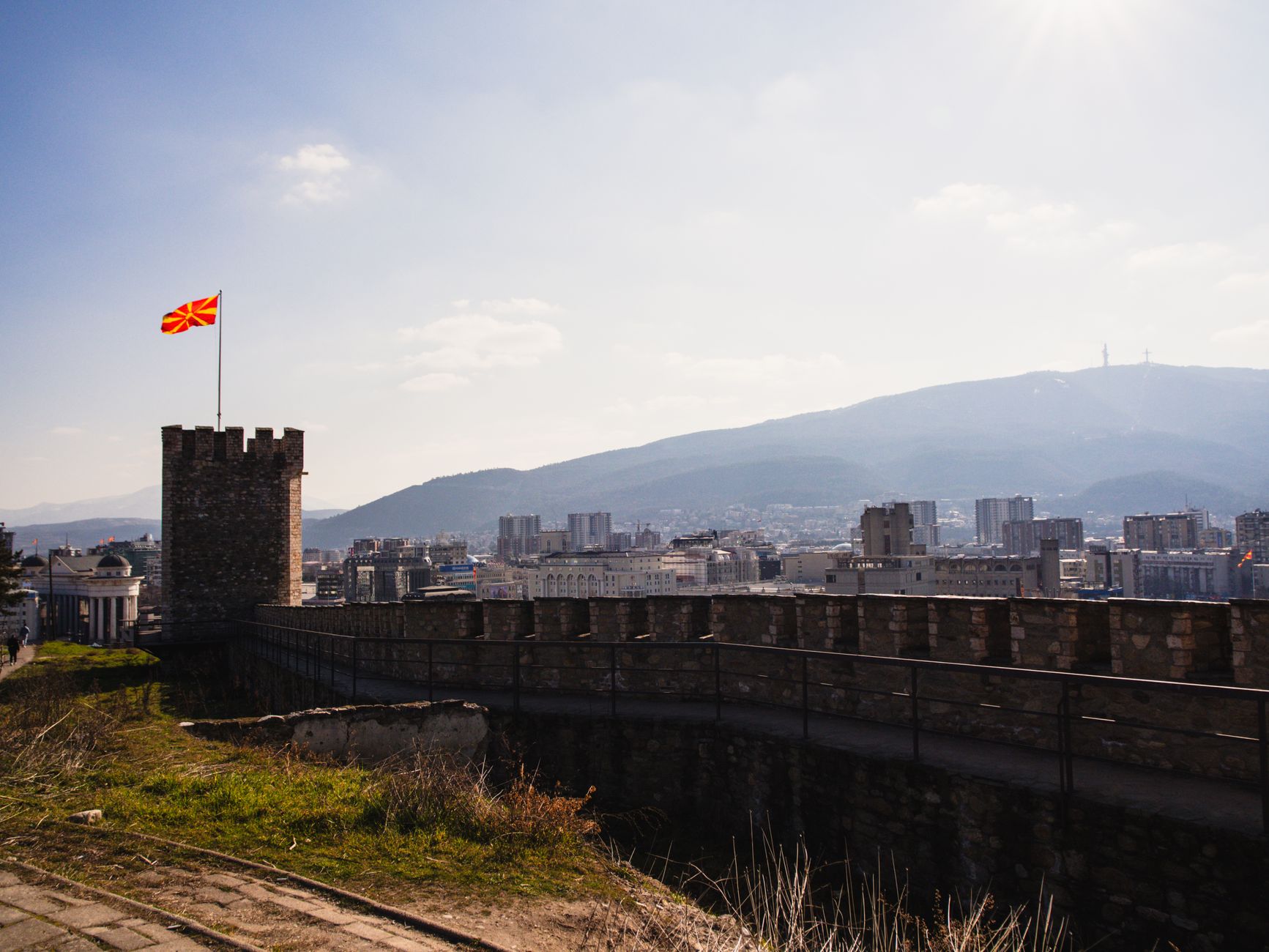
Macedonia's Name Change for NATO Membership
Macedonia changed its name to join NATO. The Prespa Agreement was signed in 2018. The move was highly controversial.
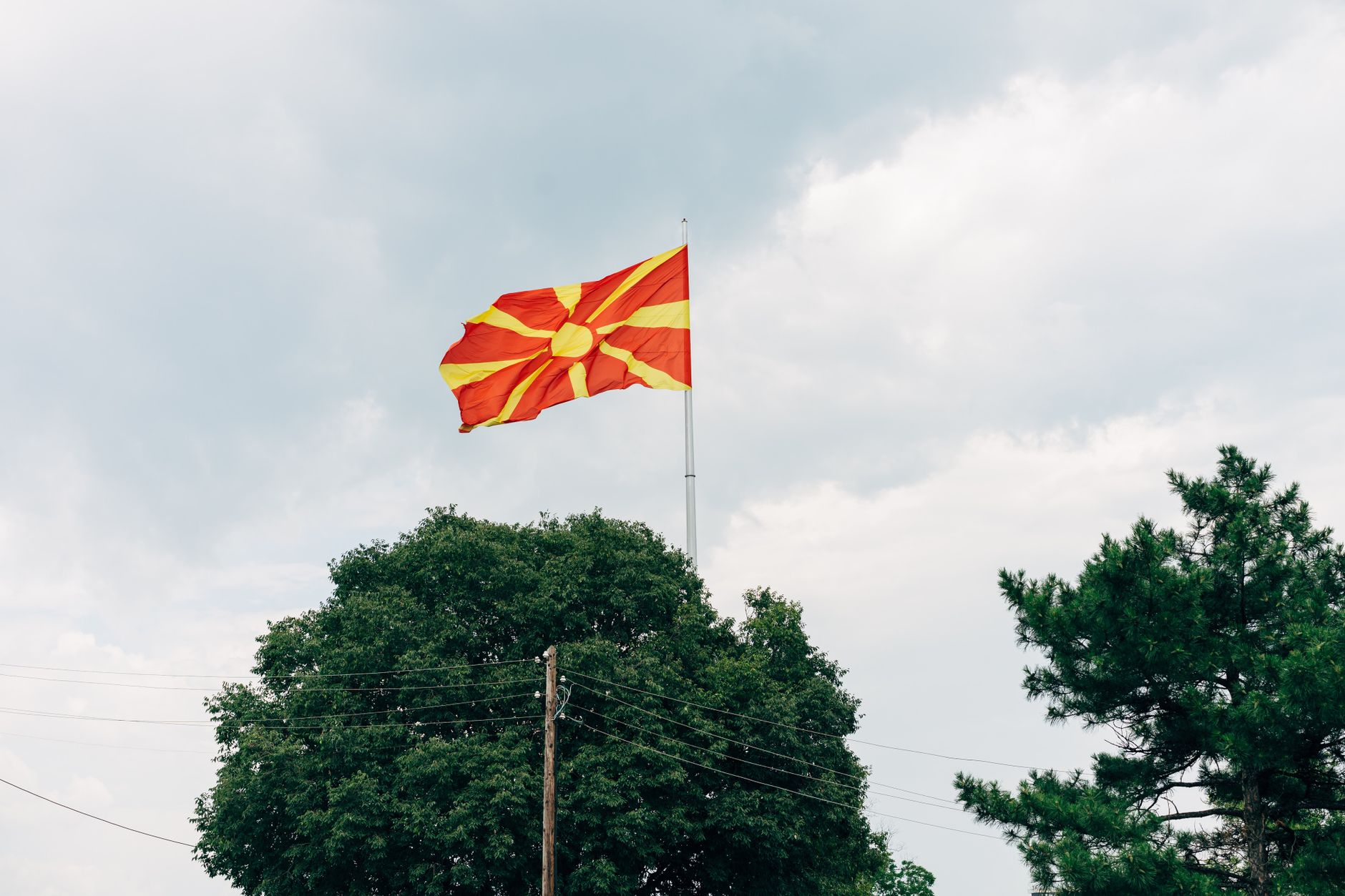
Photo by Markus Winkler on Pexels
Macedonia's Name Change Was a Calculated Move to Join NATO
On June 17, 2018, in Prespa, Greece, Macedonian Prime Minister Zoran Zaev and Greek Prime Minister Alexis Tsipras signed the Prespa Agreement, which paved the way for the Republic of Macedonia to change its name to the Republic of North Macedonia. This move was not without controversy, as it was deeply opposed by many Macedonians. Historian and Balkans expert, Dimitar Bechev, was present in Skopje, Macedonia, on that day, and he noted the tension among the population.
What Everyone Knows
The standard story goes that the name change was a simple matter of resolving a long-standing dispute with Greece, which had blocked Macedonia's accession to NATO since 2008. Most people think that the issue was solely about the use of the name "Macedonia," which Greece claimed was an appropriation of its own history and culture. However, this narrative overlooks the complex geopolitical context and the role of Macedonian activists in pushing for the name change.
What History Actually Shows
Macedonian activists, such as those from the Civic Movement for a United Macedonia, played a crucial role in advocating for the name change as a means to join NATO. Historian Keith Brown, in his book "Loyal Unto Death," highlights the activism of individuals like Stojan Andov, who pushed for Macedonian membership in NATO as early as 1999. On April 2, 1999, Andov met with US Senator Bob Dole in Skopje to discuss the possibility of Macedonian accession to NATO. Meanwhile, the Greek government, led by Prime Minister Kostas Karamanlis, was firmly opposed to the idea, citing concerns over the use of the name "Macedonia." The key fact that the name change was directly tied to the promise of NATO membership was clearly stated by NATO Secretary General Jens Stoltenberg on February 2, 2019, when he declared that the accession process would begin immediately after the name change was finalized. As historian James Ker-Lindsay notes in his book "The Foreign Policy of Counter Secession," the Macedonian government was under significant pressure from the US and EU to resolve the naming dispute in order to advance its NATO bid. By 2017, it had become clear that the only way forward for Macedonia's NATO aspirations was to address the naming issue, and activists like Andov were instrumental in pushing for a resolution.
The Part That Got Buried
Historians and journalists neglected to thoroughly investigate the story behind the name change of Macedonia due to the complex web of political interests and diplomatic maneuvers involved. The Greek government, in particular, played a significant role in suppressing the discussion of the name dispute, as it had long been a contentious issue between Greece and the Republic of Macedonia. Concrete reasons for this suppression include the deliberate omission of key documents and records from public archives, making it difficult for researchers to piece together an accurate narrative. Moreover, the European Union and NATO institutions chose to focus on the technical aspects of the accession process, overshadowing the underlying political dynamics that drove the name change. By doing so, they inadvertently contributed to the lack of public awareness and understanding of the events that led to the country's renaming.
The Ripple Effect
The name change had a direct impact on the country's ability to join NATO, as it removed a major obstacle to its membership. The Republic of North Macedonia, as it is now known, officially became a member of NATO in 2020, marking a significant shift in its foreign policy and security alliances. One specific modern consequence of this event is the increased presence of NATO troops in the region, which has led to a strengthening of military cooperation between the Republic of North Macedonia and other member states. This, in turn, has resulted in the establishment of new military bases and training facilities in the country.
The Line That Says It All
The Republic of Macedonia officially changed its name to the Republic of North Macedonia on February 12, 2019, in a deliberate move to satisfy Greek objections and pave the way for its accession to NATO.
A Note on Sources
This article draws on historical records, documented accounts, and academic research related to the naming dispute between Greece and the Republic of Macedonia and its implications for regional security and NATO expansion.