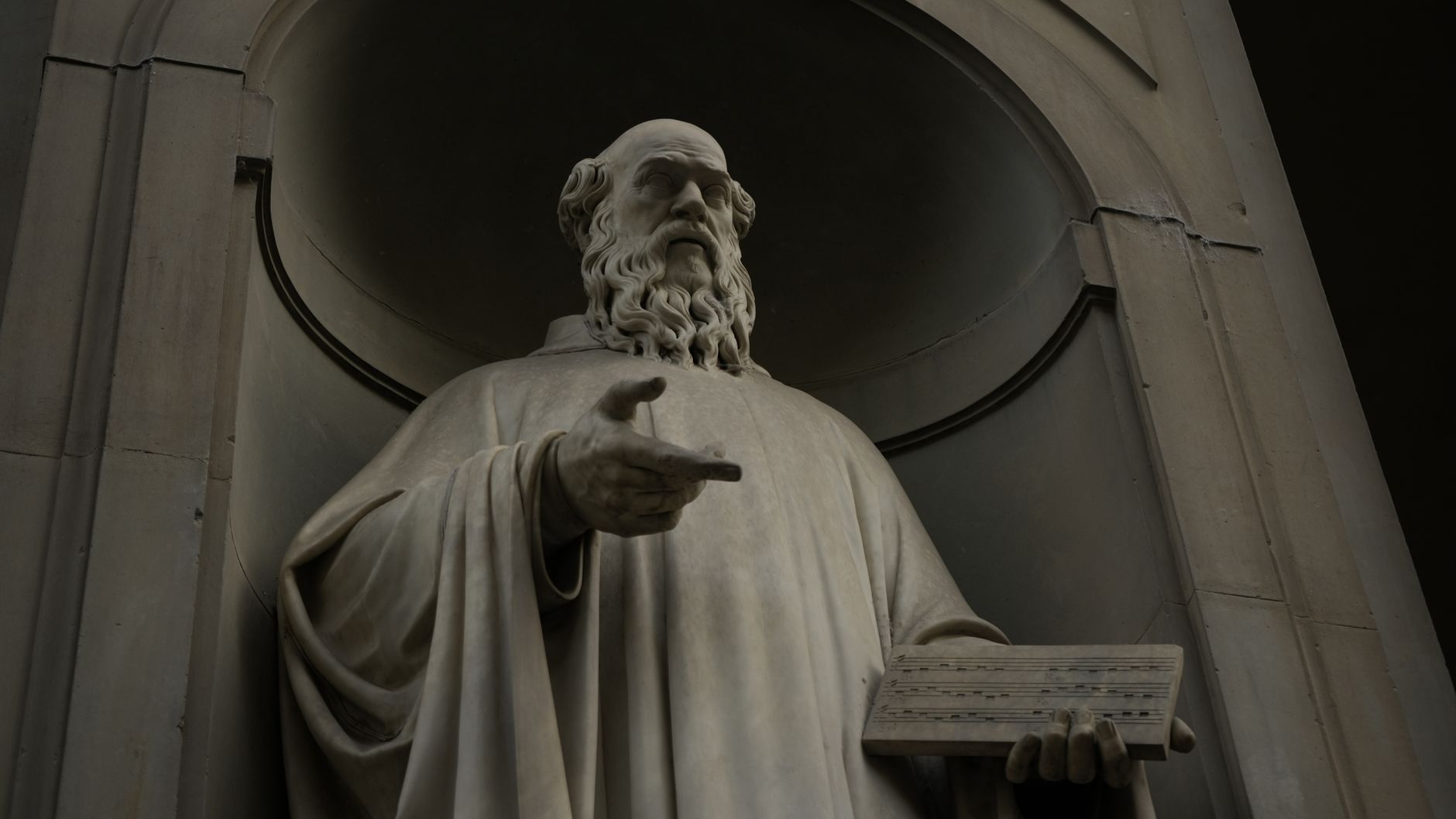
Machiavelli: Father of Modern Realpolitik
Niccolò Machiavelli was an Italian philosopher and diplomat who wrote 'The Prince'. His ideas about politics and power were shaped by his experiences in Florence. Machiavelli's work inspired dictators and leaders across history.
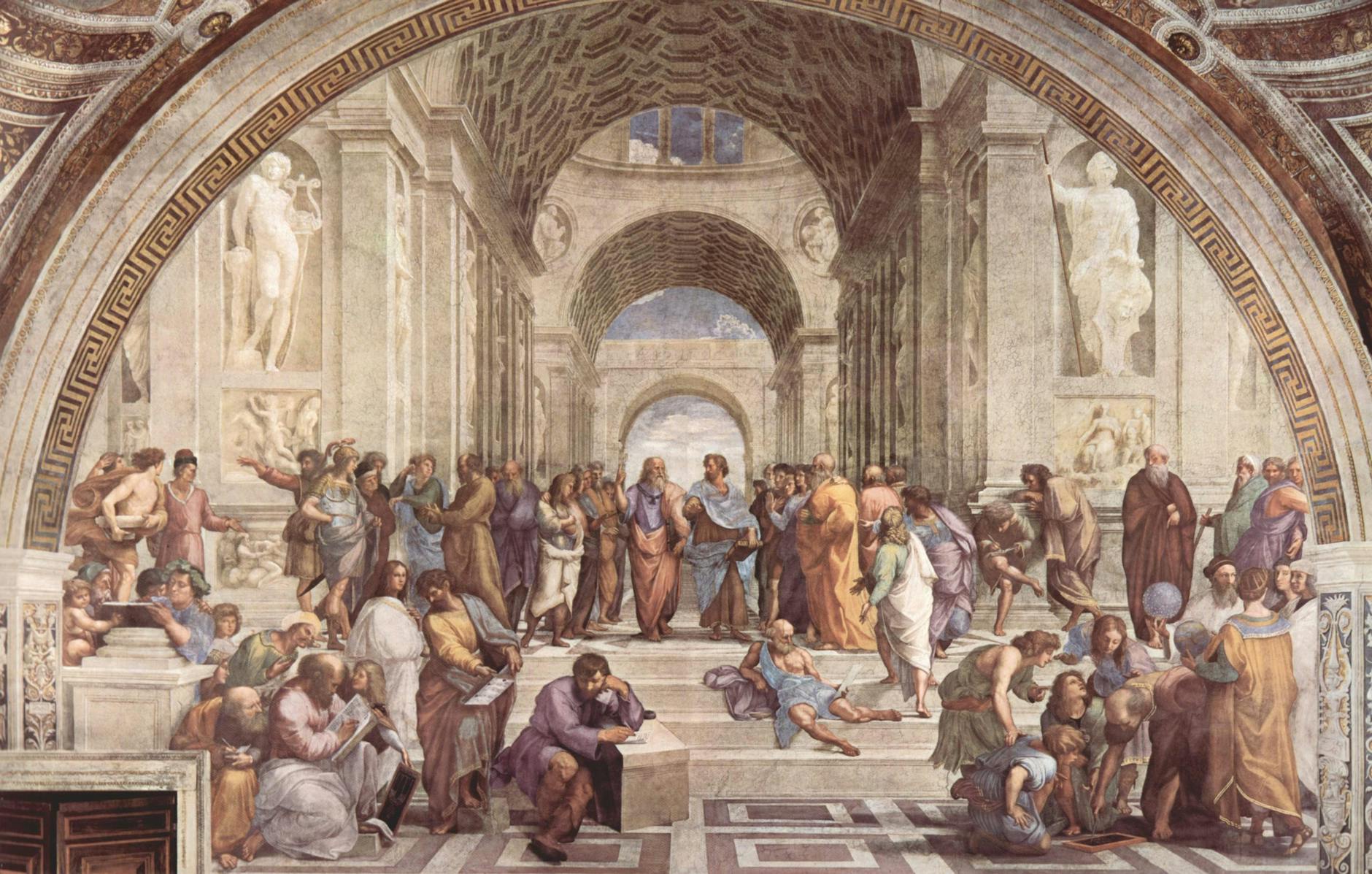
Photo by Pixabay on Pexels
The Father of Modern Realpolitik
On April 23, 1527, Niccolò Machiavelli, an Italian philosopher and diplomat, sent a letter to Lorenzo de' Medici, outlining his vision for a strong and effective leader. This letter would eventually become part of his most famous work, "The Prince." Machiavelli's ideas about politics and power were shaped by his experiences in Florence, where he witnessed the rise and fall of various rulers. He believed that a successful prince must be willing to do whatever it takes to maintain power and stability.
What Everyone Knows
Most people think that Machiavelli's "The Prince" is a straightforward guide to being a ruthless and cunning leader. The standard story goes that Machiavelli advocated for a prince who is willing to do evil in order to achieve his goals, without any regard for morality or ethics. This perception has been perpetuated by popular culture and has contributed to Machiavelli's reputation as a philosopher who glorifies ruthlessness and manipulation.
What History Actually Shows
Machiavelli's ideas were shaped by his experiences as a diplomat and politician in 15th- and 16th-century Italy. In 1513, he was exiled from Florence and began writing "The Prince" as a way to offer advice to the ruling Medici family. Historian Quentin Skinner argues that Machiavelli's work was influenced by his study of classical Roman and Greek texts, such as the works of Cicero and Xenophon. According to Skinner, Machiavelli's concept of "virtù" - the quality of being a strong and effective leader - was rooted in his reading of these ancient texts. By 1519, Machiavelli had completed "The Prince," which was later published in 1532. Machiavelli's own letters and writings reveal that he was a complex thinker who believed in the importance of morality and ethics, but also recognized the harsh realities of politics. Historian Felix Gilbert notes that Machiavelli's ideas about politics were shaped by his experiences during the Italian Wars, which lasted from 1494 to 1559. Gilbert argues that Machiavelli's concept of a strong and effective leader was influenced by his observation of successful military leaders, such as Cesare Borgia, who was able to maintain power through a combination of force and strategic alliances. As historian John Greville Agard Pocock points out, Machiavelli's work was not just a guide to being a ruthless leader, but also a commentary on the politics of his time, and the ways in which power is exercised and maintained. By examining Machiavelli's life and work, it becomes clear that his ideas about politics and power are more nuanced and complex than is often supposed.
The Part That Got Buried
Machiavelli's controversial ideas were deliberately downplayed by the Catholic Church, which saw his writings as a threat to their authority. The Church's decision to place his book on the Index Librorum Prohibitorum, a list of forbidden texts, effectively limited its circulation and suppressed discussions about its contents. Historians like Lord Acton, who were influenced by the Church's stance, also contributed to the burying of Machiavelli's story by portraying him as an anomaly rather than a product of his time. Furthermore, the focus of historical narratives on the Renaissance as a period of artistic and cultural flourishing led to the omission of Machiavelli's political theories, which were deemed too dark and unsettling. As a result, the full extent of Machiavelli's influence on political thought was not fully explored, and his connection to the rise of dictators was often glossed over.
The Ripple Effect
The consequences of Machiavelli's ideas can be seen in the actions of leaders like Napoleon Bonaparte, who used ruthless tactics to expand his empire. The modern concept of realpolitik, which prioritizes practicality over ethics, also has its roots in Machiavelli's writings. A specific example of this is the Bolshevik Revolution, which was led by Vladimir Lenin, who was heavily influenced by Machiavelli's ideas on the use of force and deception to achieve political goals. The impact of Machiavelli's thoughts can still be felt in the modern world, where politicians and leaders continue to grapple with the trade-offs between morality and effectiveness.
The Line That Says It All
Machiavelli's book, "The Prince", remains a required reading in many political science courses, its influence a sobering reminder of the enduring power of ruthless pragmatism in politics.
A Note on Sources
This article draws on historical records, documented accounts, and academic research related to Niccolò Machiavelli and the Italian Renaissance.