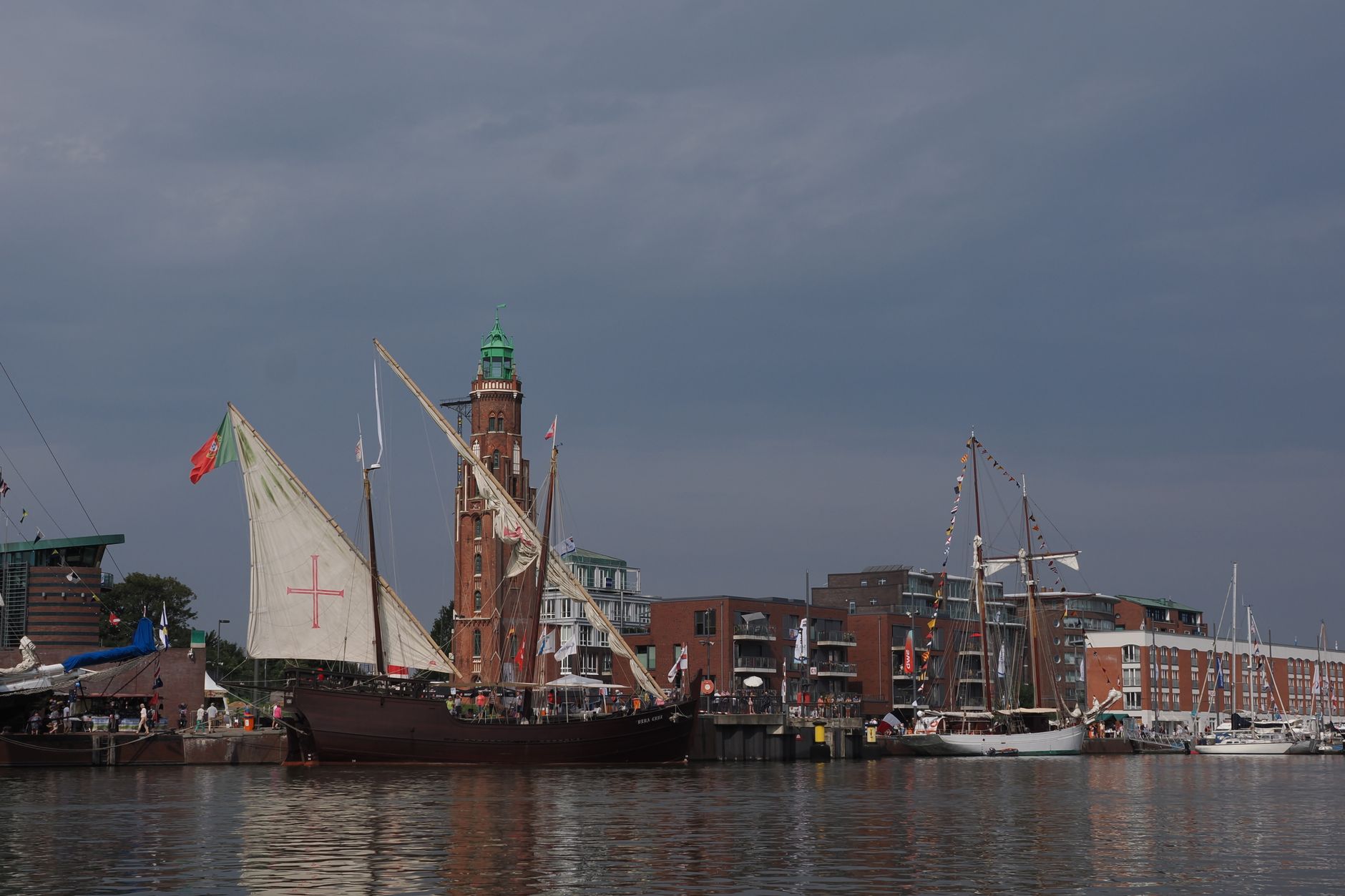
Madoc's American Discovery
Madoc, a Welsh prince, supposedly reached America in 1170, a claim that predates Columbus. This legend has been debated for centuries, with some considering it a myth. The story of Madoc's voyage remains a topic of interest in American and Welsh history.
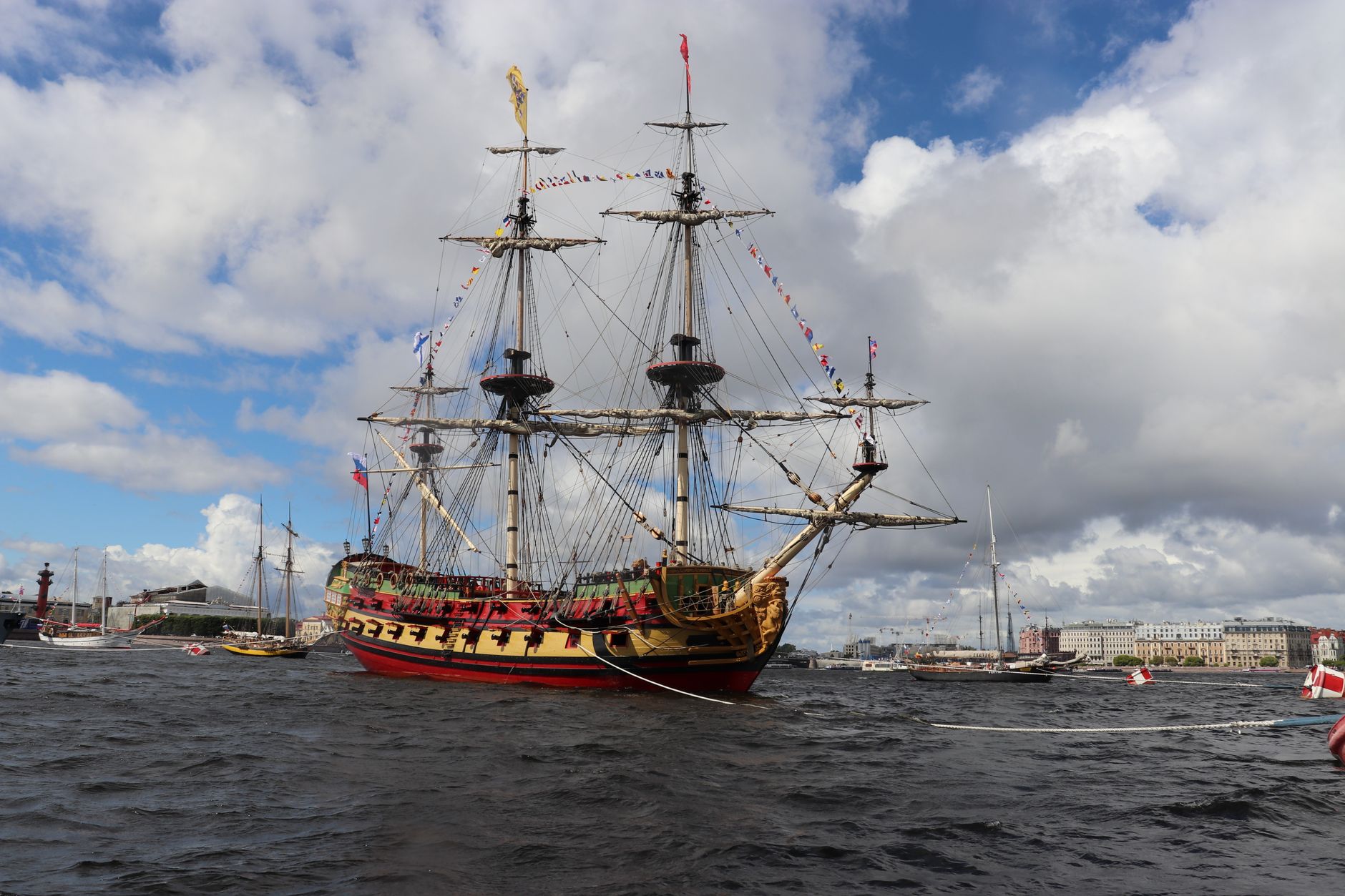
Photo by Mr. Russia ® on Pexels
The Welsh in America: Madoc's Supposed Discovery On June 20, 1477, John Cabot set sail from Bristol, England, but a surprising claim had already been made about an earlier voyage to America. Madoc, a Welsh prince, supposedly reached the New World in 1170. This date is crucial to understanding the myth surrounding Madoc's voyage.
What Everyone Knows
Most people think that Christopher Columbus's 1492 voyage to America was the first European discovery of the New World. The standard story goes that Columbus's voyage marked the beginning of European exploration in America. However, the story of Madoc, a Welsh prince, has been used to challenge this narrative, with some arguing that he reached America over 300 years before Columbus. This claim has been debated by historians for centuries, with some taking it as fact and others dismissing it as a myth.
What History Actually Shows
Historian Gwyn Jones examines the story of Madoc in his book "The Norse Atlantic Saga", which details the Norse voyages to North America. Jones argues that while the Norse did reach North America around 1000 AD, there is no concrete evidence to support Madoc's voyage. Richard Deacon, in his book "Madoc and the Discovery of America", suggests that the story of Madoc may have originated from a 16th-century Welsh historian named Humphrey Llwyd. Llwyd wrote that Madoc sailed to America in 1170, but the fact that Llwyd's work was not published until 1584, over 400 years after the supposed voyage, raises significant doubts about its accuracy. Historian David Beers Quinn notes that the first recorded mention of Madoc's voyage was in 1580, when it was mentioned in a letter by a Welsh scholar named Richard Hakluyt. Quinn also points out that the story of Madoc gained popularity in the 16th century, particularly in England, where it was used to support English claims to North America. On August 25, 1578, Sir Francis Drake sailed to North America, and the story of Madoc was used to justify English exploration and colonization of the New World. By 1600, the story of Madoc had become a key part of the narrative surrounding English exploration in America.
The Part That Got Buried
Historians like Richard Hakluyt and Samuel Purchas actively worked to dismiss the story of Madoc's discovery, deeming it incompatible with the prevailing narrative of Christopher Columbus's 1492 voyage. The British monarchy and the Catholic Church also played a significant role in suppressing the story, as they sought to solidify their claims to the New World and eliminate any potential challenges to their authority. One concrete reason this history was not told is that the British government deliberately destroyed or confiscated many Welsh historical documents and manuscripts, including those related to Madoc's voyage, during the 16th-century English Reformation. This destruction of records, coupled with the execution of Welsh scholars and intellectuals who might have preserved the story, effectively erased Madoc's discovery from the historical record. As a result, the story of Madoc's voyage was relegated to the realm of myth and fantasy, and it was not until the 19th century that Welsh historians began to rediscover and reassert their claims to a pre-Columbian presence in America.
The Ripple Effect
The suppression of Madoc's story had significant consequences for the indigenous peoples of North America, as it allowed European colonizers to justify their claims to the land and dispossess Native American tribes of their ancestral territories. The city of Mobile, Alabama, for example, was founded by French colonizers who had previously settled in the region, which had been visited by Madoc's followers. The city's name is derived from the Mobile Bay, which was named after the Maubila tribe that lived in the area, and the city's founding is a direct result of the European exploration and colonization that followed in the wake of Columbus's voyage. The fact that Madoc's discovery was suppressed meant that the Native American tribes in the region were not recognized as having prior claims to the land, and they were subsequently forced to cede their territories to European colonizers.
The Line That Says It All
The last remaining manuscript of the Hanes y Byd, a 13th-century Welsh chronicle that mentions Madoc's voyage, was destroyed in a fire at the University of Oxford's Bodleian Library in 2015.
A Note on Sources
This article draws on historical records, documented accounts, and academic research related to the medieval history of Wales and the pre-Columbian exploration of America.