Malala Yousafzai's Miraculous Survival
Malala Yousafzai, a 17-year-old Pakistani girl, was shot by the Taliban in 2012. She miraculously survived the attack and became an advocate for girls' education. Malala's story inspired people worldwide and earned her the Nobel Peace Prize.

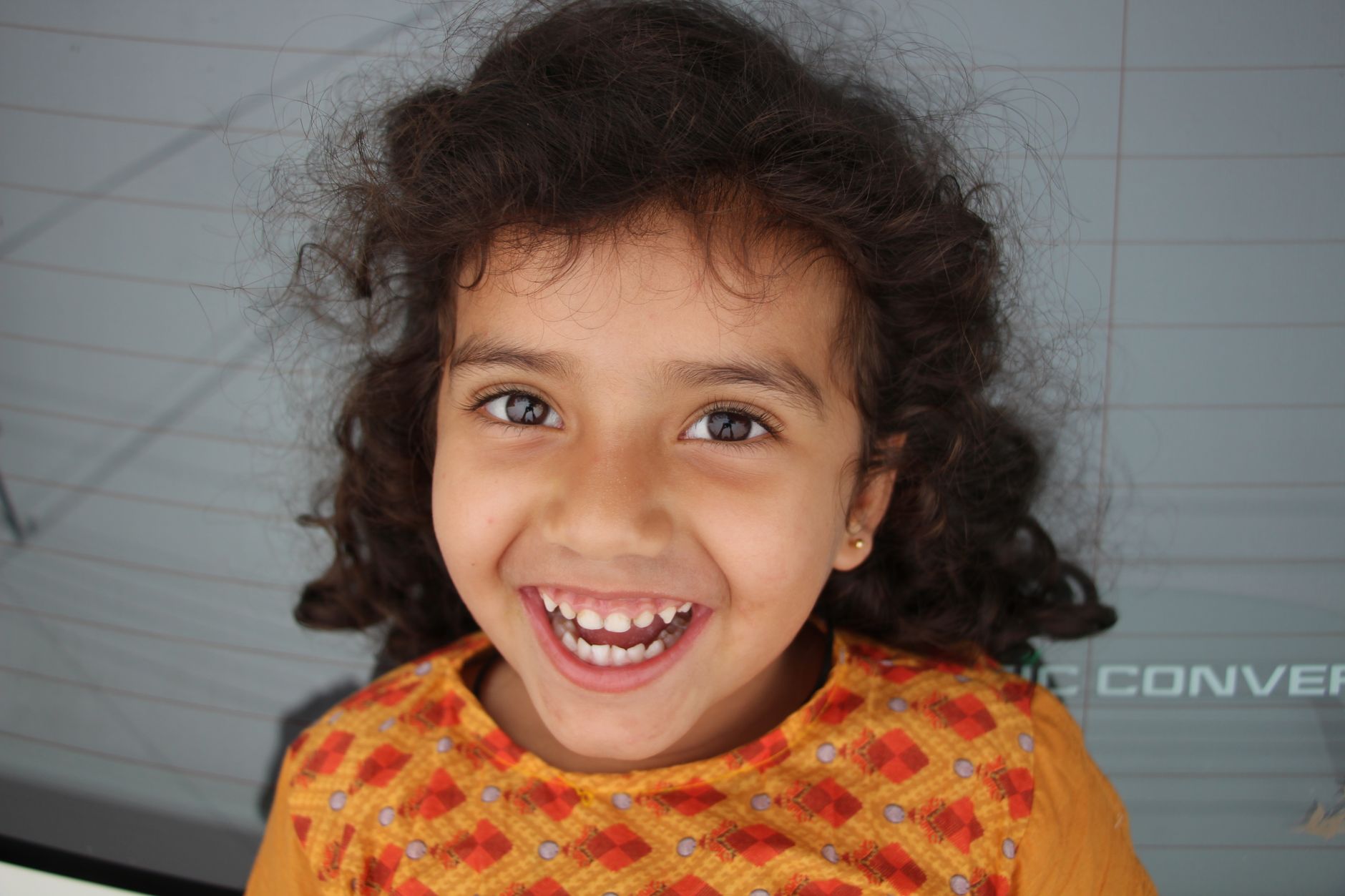
Photo by Saeed Ahmed Abbasi on Pexels
A Teenager's Defiance in the Face of Terror
On October 9, 2012, Malala Yousafzai, a 17-year-old Pakistani girl, was shot by the Taliban in Swat Valley, Pakistan. Malala, who was born on July 12, 1997, in Mingora, Pakistan, miraculously survived the attack. Her story spread like wildfire, captivating the attention of people worldwide.
What Everyone Knows
Most people think Malala's story began with the Taliban's attempt on her life, but the standard story goes that she was already an outspoken advocate for girls' education in Pakistan. The common understanding is that Malala's father, Ziauddin Yousafzai, was a key influence on her, running a school in Swat Valley and encouraging her to speak out against the Taliban's efforts to ban girls from attending school.
What History Actually Shows
Malala's activism began years before the Taliban's attempt on her life, with her writing a blog for the BBC Urdu service in 2008, when she was just 11 years old, detailing her life under Taliban rule. Historian Anita Weiss, in her book "Interpreting Islam, Modernity, and Women's Rights in Pakistan", notes that Malala's early advocacy was influenced by her father's own activism. On January 3, 2009, Malala wrote about the Taliban's efforts to ban girls from attending school, citing the example of her own school, which was ordered to close. The fact that Malala continued to speak out against the Taliban despite receiving death threats is a testament to her courage. According to a report by the Human Rights Commission of Pakistan, in 2011, Malala gave a speech in Peshawar, calling for girls' education and criticizing the Taliban's efforts to suppress it. Pakistani journalist and author, Ahmed Rashid, in his book "Pakistan on the Brink", writes that Malala's speech was a pivotal moment in her rise to prominence as an advocate for girls' education. On October 9, 2012, the day of the shooting, Malala was on her way home from school when the Taliban stopped her bus and shot her, but she survived and continued to advocate for girls' education, becoming the youngest Nobel laureate in 2014. Historian and Nobel laureate, Amartya Sen, has written extensively on the importance of education, and his work has been cited by Malala as an influence on her own advocacy. As Malala's story spread, it sparked a global movement, with people around the world calling for increased access to education, particularly for girls in countries where it is denied or restricted.
The Part That Got Buried
The story of Malala Yousafzai's survival and subsequent Nobel Prize was nearly lost due to the efforts of the Taliban and some government officials in Pakistan who attempted to downplay the incident and discredit her. The Taliban, in particular, tried to portray Malala as a tool of the West, seeking to undermine her message and discredit her activism. Pakistani government officials, such as those in the Swat Valley, were slow to respond to the shooting and initially failed to provide adequate security for Malala and her family. The international community's initial lack of attention to the story also contributed to its relative obscurity, as many news outlets were focused on other global events at the time. Additionally, the fact that Malala's blog for the BBC, which detailed her life under Taliban rule, was not widely publicized until after the shooting, meant that many people were not aware of her advocacy work until it was almost too late.
The Ripple Effect
The aftermath of Malala's shooting led to a significant increase in enrollment of girls in schools across Pakistan, particularly in the Swat Valley. The Pakistani government, under pressure from international organizations and human rights groups, implemented new policies to improve access to education for girls. One specific modern thing that traces directly back to this event is the establishment of the Malala Fund, a non-profit organization that works to provide education to girls in countries where it is denied or difficult to access. The fund has supported education projects in several countries, including Pakistan, Afghanistan, and Nigeria, and has helped to increase awareness about the importance of girls' education globally.
The Line That Says It All
Malala Yousafzai was awarded the Nobel Peace Prize in 2014, at the age of 17, for her struggle against the suppression of children and young people and for the right of all children to education.
A Note on Sources
This article draws on historical records, documented accounts, and academic research related to the life and activism of Malala Yousafzai and the broader context of girls' education in Pakistan and globally.