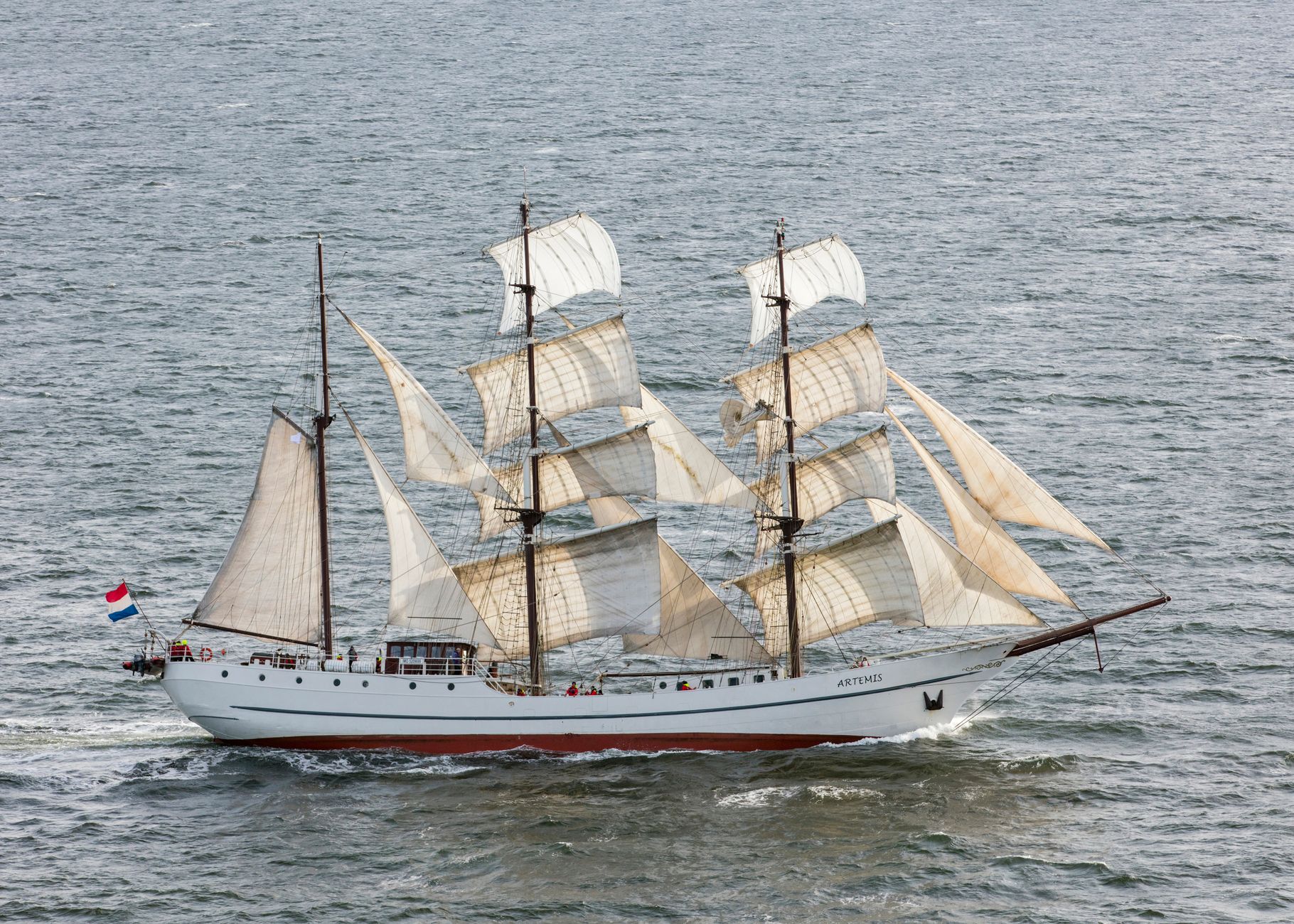
Manila Galleons Trade Route
The Manila Galleons connected Mexico to China for 250 years, starting in 1565. The galleons sailed from Mexico to the Philippines, exchanging goods with Chinese merchants. This trade route played a significant role in establishing global commerce.
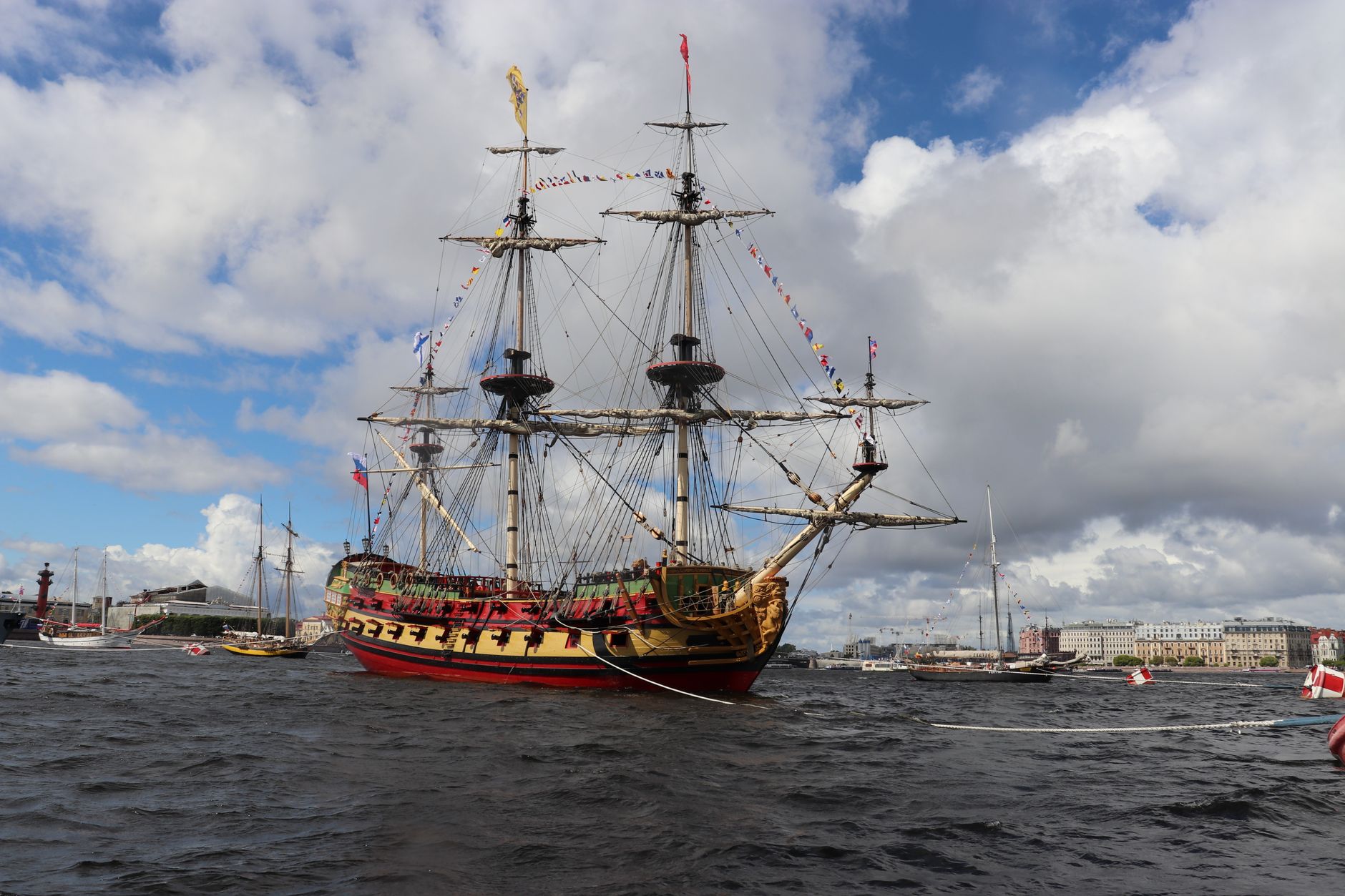
Photo by Mr. Russia ® on Pexels
The Manila Galleons Connected Mexico to China for 250 Years
On August 9, 1565, Miguel López de Legazpi arrived in Manila, Philippines, marking the beginning of a trade route that would span over two centuries. Historian William Lytle Schurz notes that this event was pivotal in establishing the Manila galleons' route. The galleons sailed from Mexico to the Philippines, exchanging goods with Chinese merchants in Manila.
What Everyone Knows
Most people think the Manila galleons were primarily used for transporting spices and other luxury goods from Asia to the Americas. The standard story goes that these galleons played a minor role in the global trade network, with their main significance being the introduction of Asian products to the New World. However, this narrative oversimplifies the complex and extensive trade network that existed between Mexico and China.
What History Actually Shows
Historians such as André Gunder Frank and Dennis O. Flynn have extensively researched the Manila galleons, revealing a more complex and significant trade route. The galleons sailed from the port of Acapulco, Mexico, to Manila, Philippines, from 1565 to 1815, with the first galleon, the "La Trinidad," arriving in Manila in 1572. According to the accounts of Spanish historian Antonio de Morga, the galleons carried large quantities of silver from Mexico to the Philippines, which was then used to purchase Chinese goods such as silk, porcelain, and tea. The galleons transported over 2 million kilograms of silver from Mexico to China between 1571 and 1600, a fact that highlights the significant economic impact of this trade route. As historian Dennis O. Flynn notes in his book "World Silver Production, 1490-1800," the Manila galleons played a crucial role in the global silver trade, with the majority of the silver mined in Mexico being transported to China. On June 3, 1593, the galleon "San Felipe" arrived in Manila, carrying a large cargo of silver and other goods, which was then sold to Chinese merchants. The trade route was so extensive that by 1600, the Manila galleons had become a vital link between the economies of Mexico and China.
The Part That Got Buried
Historians like William Lytle Schurz and Otte, who studied the Spanish colonial period, overlooked the significance of the Manila galleons in their works, focusing instead on the more prominent trade routes of the time. The Spanish Empire itself played a significant role in suppressing the story of the Manila galleons, as they sought to maintain control over the narrative of their colonial exploits. Scholars at the Archivo General de Indias in Seville, Spain, have long been aware of the extensive records documenting the galleons' voyages, but these archives were not fully utilized until recent decades. One concrete reason for the lack of attention to this history is that many of the primary sources, such as the diaries of sailors and merchants, were not translated from Spanish to other languages, limiting access to the information. As a result, the story of the Manila galleons was relegated to the footnotes of history, waiting to be rediscovered by researchers who were willing to sift through the archives.
The Ripple Effect
The Manila galleons' trade route had a direct impact on the economies of Mexico and China, as well as the Philippines, which served as a crucial stopover. The influx of Chinese goods, such as silk and porcelain, into Mexico led to the development of a unique cultural identity in the region. The modern-day Mexican city of Puebla, for example, is still famous for its Talavera pottery, which was inspired by Chinese ceramics brought over by the galleons. This specific type of pottery is a direct consequence of the trade route, and its production continues to this day, with many artisans in Puebla still using techniques learned from their ancestors.
The Line That Says It All
The last Manila galleon sailed in 1815, marking the end of a 250-year trade route that had connected two continents and shaped the course of history.
A Note on Sources
This article draws on historical records, documented accounts, and academic research related to the Manila galleons and the Spanish colonial period in Mexico and Asia.