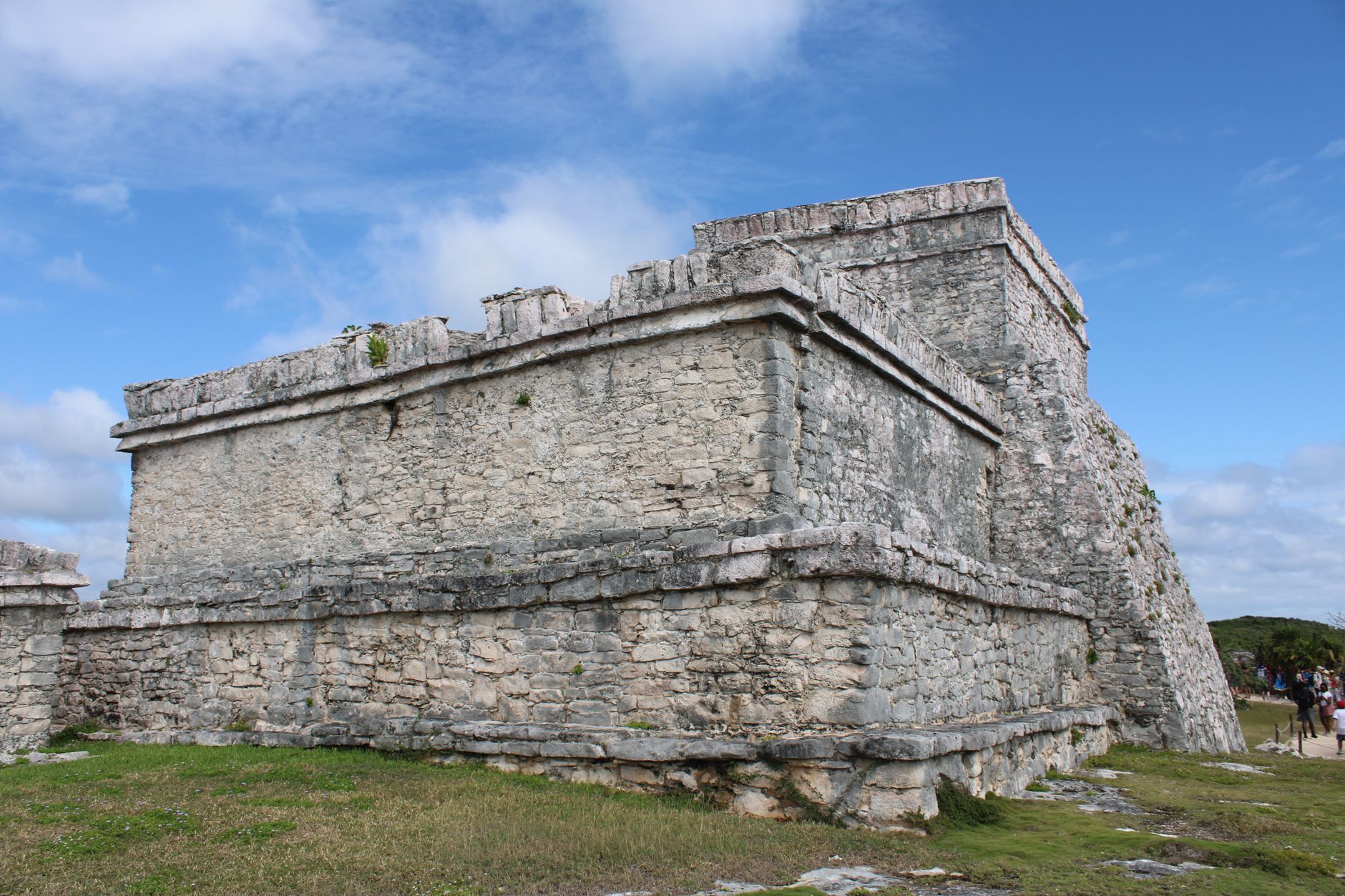
Mayan Human Sacrifice Uncovered
The Mayan civilization had a dark practice of human sacrifice. However, the scale is often exaggerated. A closer look reveals a more nuanced truth

Photo by Israyosoy S. on Pexels
The Truth About Mayan Human Sacrifice
In the 16th century, Spanish missionaries arriving in the Yucatán wrote detailed accounts of the practices they witnessed among the Maya. They described idols, temples, and rituals that they found horrifying. They described the sacrifice of human beings. The accounts were used to justify the destruction of Mayan cities, the burning of Mayan books, the forced conversion of the Mayan people. The Spanish wrote that the Maya were savages, that their religion was demonic, that their sacrifices were proof of their barbarism.
The Spanish were not wrong that the Maya practiced human sacrifice. They were wrong about what it meant. For the Maya, sacrifice was not savagery. It was a way of maintaining the order of the world. The gods had given their blood to create the universe. The people gave blood in return. The practice was ancient, ritualized, and imbued with meaning that the Spanish did not understand and did not try to understand.
What Everyone Knows
The image of Mayan human sacrifice is one of the most enduring images of pre-Columbian America. The priest in feathered headdress, the obsidian knife, the heart torn from the living body, the body tumbling down the steps of the pyramid. The image appears in films, in documentaries, in the popular histories that reduce the Maya to a civilization obsessed with death.
What is less often emphasized is that the image is based on accounts written by the Spanish who conquered the Maya, who had an interest in portraying them as savages, and on the interpretations of archaeologists who have been trying for a century to understand what the remains they have found actually mean. The truth is more complicated than the image.
What History Actually Shows
The Maya did practice human sacrifice. The evidence is clear. Murals at Mayan sites show scenes of sacrifice. Inscriptions describe the capture and sacrifice of enemy kings. Human remains found at ceremonial sites show signs of violent death. The practice was real. But the scale of the practice is disputed. The Spanish accounts, written in the aftermath of conquest, are not reliable sources for the pre-conquest period. The Spanish had an interest in exaggerating the brutality of Mayan religion. It justified their destruction of it.
Archaeological evidence suggests that human sacrifice was not a daily or even a regular practice. Most sacrifices were associated with major events: the dedication of a new temple, the accession of a new king, the end of a calendrical cycle. The victims were often prisoners of war, captured in conflicts between Mayan city-states. They were not random victims. They were enemies of the state. Their sacrifice was a political act as much as a religious one.
The Maya also practiced forms of sacrifice that did not involve killing. Bloodletting was common. Kings and queens drew blood from their tongues, their ears, their genitals, and offered it to the gods on strips of paper. The blood was a gift, a way of communicating with the ancestors, a way of maintaining the order of the world. The Spanish did not record these practices. They did not fit the image they were creating.
The Part That Got Buried
The Mayan understanding of sacrifice was rooted in their creation myths. The Popol Vuh, the sacred book of the Maya, describes how the gods created the world. They tried to make humans out of mud, out of wood, out of corn. Each attempt failed until they made humans from the corn that had been soaked in the blood of the gods. Humans were the children of the gods. Their blood was the blood of the gods. When they offered blood back to the gods, they were completing a cycle that had begun at the beginning of time.
The Spanish did not understand this. They saw the blood and the death. They did not see the meaning. They wrote accounts that described the Maya as bloodthirsty, as savage, as in need of conversion. The accounts were used to justify the destruction of Mayan culture, the burning of Mayan books, the forced conversion of Mayan people. The Maya who survived the conquest were not allowed to practice their religion. The rituals that had been central to their culture for centuries were suppressed. The meaning of the rituals was lost.
The Ripple Effect
The Spanish accounts of Mayan human sacrifice have shaped the way the Maya are remembered. The image of the bloodthirsty priest, the heart torn from the chest, the bodies tumbling down the steps of the pyramid—these images are still used to sell books, to draw tourists, to create a sense of the exotic and the primitive. The Maya are remembered as a people obsessed with death, with violence, with the shedding of blood.
The Maya who live today in Mexico and Guatemala are not the Maya of the pre-conquest period. They are descendants of the people who survived the conquest, who converted to Christianity, who preserved their language and their culture in ways that the Spanish did not see. They do not practice human sacrifice. They do not practice bloodletting. They practice a form of Catholicism that incorporates elements of their ancestral religion. They are not savages. They were never savages.
The Line That Says It All
The Maya practiced human sacrifice, but the sacrifice was not an act of savagery—it was an act of devotion, a way of giving back to the gods who had given their blood to create the world—and the Spanish who recorded the practice did not understand it, because they had come to destroy a religion that they saw as demonic, and they needed the evidence of savagery to justify the destruction.