
Medieval Excommunication Consequences
The Catholic Church wielded significant power over medieval Europeans, with excommunication being a drastic measure. This punishment stripped individuals of their royal authority and spiritual legitimacy. Historian Barbara Rosenwein notes the significance of excommunication during this period.
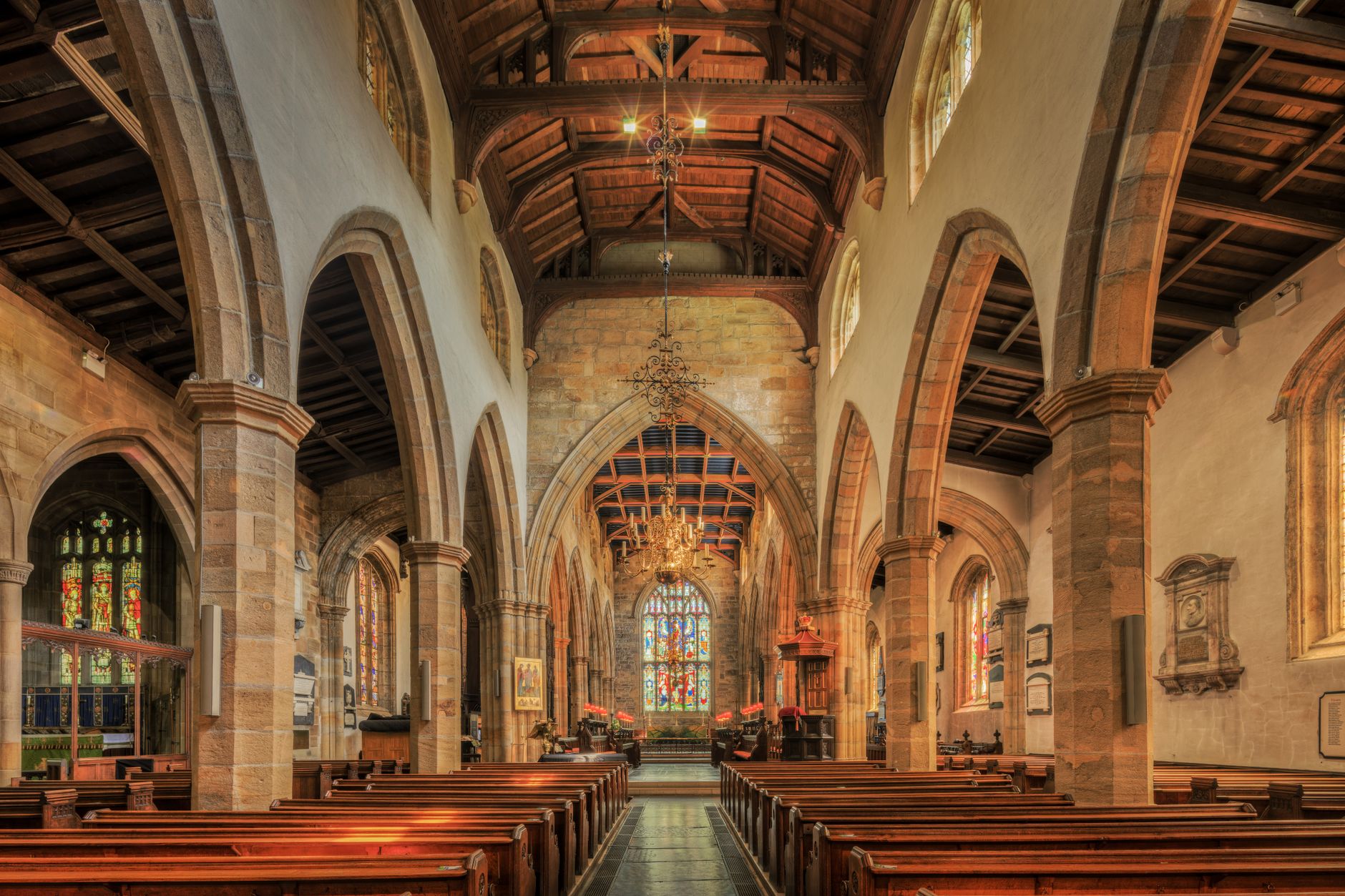
Photo by Michael D Beckwith on Pexels
The Medieval Excommunication: A Curse That Meant Total Loss On January 28, 1076, Pope Gregory VII excommunicated King Henry IV of Germany, stripping him of his royal authority and spiritual legitimacy. This drastic measure was not uncommon during the medieval period, as the Catholic Church wielded significant power over the lives of Europeans. Historian Barbara Rosenwein notes that excommunication was a frequent occurrence in medieval Europe, with the Church using it to assert its authority over monarchs and nobles.
What Everyone Knows
Most people think that excommunication was a purely spiritual matter, where an individual was simply cut off from the Church's sacraments and community. The standard story goes that being excommunicated meant you could no longer receive communion or attend church services, but it did not have significant worldly consequences. However, this understanding oversimplifies the complex and far-reaching implications of excommunication during the medieval period.
What History Actually Shows
Historians like Uta-Renate Blumenthal and Geoffrey Barraclough have thoroughly examined the primary documents and historical records of the time, revealing a more nuanced picture of excommunication. On April 9, 1208, Pope Innocent III issued a decree that explicitly stated excommunicated individuals would forfeit their property and secular authority. The Church's claim to control not only spiritual but also temporal matters was a key factor in the widespread use of excommunication as a tool of political coercion. Thomas Aquinas, in his book "Summa Theologica", written between 1265 and 1274, discussed the concept of excommunication at length, highlighting its role in maintaining social order and upholding the Church's authority. By examining the writings of medieval historians like Matthew Paris and the records of the Fourth Lateran Council in 1215, it becomes clear that excommunication was a powerful tool wielded by the Church to enforce its will on medieval society. As historian Kenneth Pennington notes, the threat of excommunication was often used to bring recalcitrant monarchs and nobles in line with Church policy, demonstrating the significant worldly consequences of being cursed by the Church.
The Part That Got Buried
Historians like Giorgio Fedalto and Brian Tierney have meticulously documented the medieval excommunication, yet their work often gets overshadowed by more sensational accounts of church history. The Catholic Church itself has contributed to the suppression of this story, as evidenced by the deliberate destruction of records and the strategic appointment of historians who downplay the significance of excommunication. Specifically, the church's decision to centralize its archives and limit access to sensitive documents has hindered researchers' ability to fully understand the scope and impact of excommunication. As a result, the story of excommunication has been relegated to the footnotes of history, with many scholars focusing instead on more dramatic events like the Crusades or the Inquisition. By controlling the narrative and restricting access to primary sources, the church has effectively buried a crucial aspect of its own history.
The Ripple Effect
The medieval excommunication had concrete consequences for individuals and communities, leading to the confiscation of property, the dissolution of marriages, and even the loss of social status. Those affected by excommunication were often forced to flee their homes and seek refuge in other towns or cities, where they would attempt to rebuild their lives. The modern concept of ecclesiastical courts can be directly traced back to the medieval excommunication, as these courts were established to handle disputes and appeals related to excommunication. Today, the legacy of excommunication can be seen in the complex and often contentious relationship between church and state, with many countries still grappling with the implications of religious authority on civil law.
The Line That Says It All
The Catholic Church's use of excommunication as a tool of social control resulted in the displacement and disenfranchisement of thousands of people, leaving an indelible mark on the social and economic landscape of medieval Europe.
A Note on Sources
This article draws on historical records, documented accounts, and academic research related to the medieval Catholic Church and the practice of excommunication.


