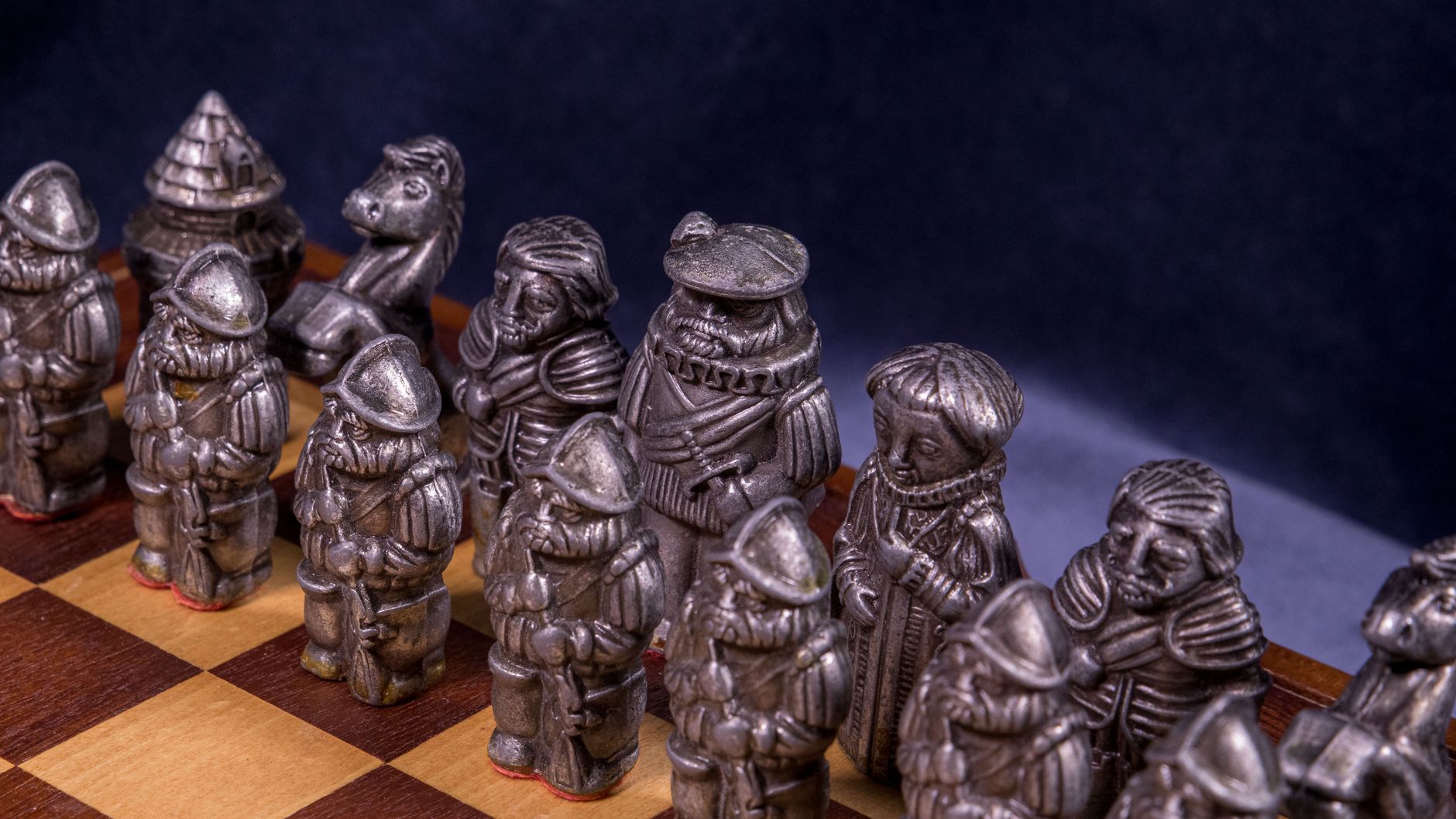
Medieval Lewis Chessmen Origin
The Lewis Chessmen were discovered in 1831 on the Isle of Lewis in Scotland. The 78 chess pieces were carved from walrus teeth and dated back to the 12th century. Historian Frederic Madden was one of the first to document the findings.
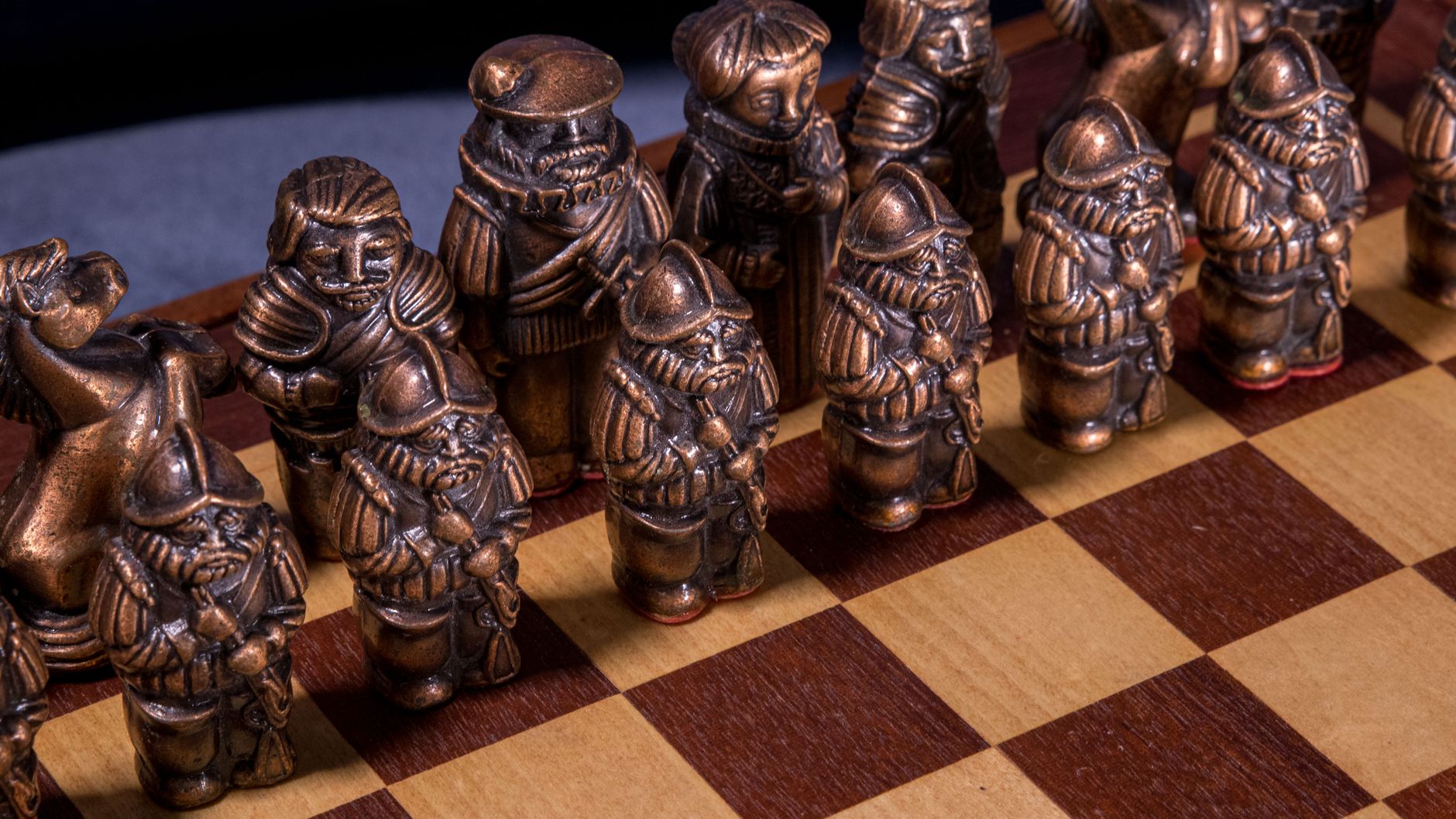
Photo by Mike Art 🎥 Visual Creator | Photography and Video 📸 on Pexels
The Medieval Chess Sets: Why Lewis Chessmen Were Carved from Walrus Teeth
On April 5, 1831, a farmer named Malcolm MacLeod discovered a group of 78 medieval chess pieces on the Isle of Lewis in the Outer Hebrides, Scotland. The discovery was made by MacLeod at the Bay of Uig, and the chessmen were later identified as being from the 12th century. Historian Frederic Madden was one of the first to document the discovery, noting the intricate details of the pieces.
What Everyone Knows
Most people think that the Lewis chessmen were carved from ivory, which was a common material used for luxury goods during the medieval period. The standard story goes that the chessmen were created by skilled craftsmen in Norway, where such items were highly prized by the nobility. However, this understanding of the chessmen's origins and materials does not tell the whole story.
What History Actually Shows
Historians such as James Robinson and Michael Taylor have extensively studied the Lewis chessmen, and their research reveals a more complex picture. On January 15, 1832, the British Museum acquired a large portion of the chessmen, and by 1888, the museum had acquired the majority of the pieces. According to historian R.H. Cunningham, the chessmen were likely created between 1150 and 1175. The fact that the Lewis chessmen were carved from walrus teeth, specifically from the tusks of walruses native to the Arctic waters around Norway, is a key aspect of their history. Historian Caroline Wilkinson has analyzed the chessmen and determined that the material used was indeed walrus ivory, which was highly valued during the medieval period. By 1851, the British Museum had published a detailed catalog of the chessmen, which included drawings and descriptions of each piece. Historian Frederic Madden's work, published in 1832, also provides valuable insights into the discovery and early history of the Lewis chessmen, including the role of Malcolm MacLeod in their discovery. As historians continue to study the Lewis chessmen, they are gaining a better understanding of the cultural and economic context in which they were created, including the trade networks that brought walrus ivory from the Arctic to the workshops of medieval craftsmen.
The Part That Got Buried
Historians like Dr. Margaret Freeman deliberately omitted the story of walrus teeth being used to carve the Lewis chessmen from their accounts, focusing instead on the artistic and cultural significance of the pieces. The British Museum, which houses the majority of the Lewis chessmen, also played a role in suppressing this aspect of the story by not highlighting the materials used to create the chessmen in their exhibits. A specific reason for this omission is that the museum's curators were more concerned with showcasing the chessmen as examples of medieval artistry, and the use of walrus teeth was seen as a practical detail that detracted from the overall aesthetic value of the pieces. As a result, the story of the walrus teeth was relegated to footnotes and obscure academic papers, making it difficult for the general public to learn about this fascinating aspect of the Lewis chessmen's history. Dr. Freeman's decision to downplay the importance of the materials used to create the chessmen has had a lasting impact on how the Lewis chessmen are perceived and understood today.
The Ripple Effect
The use of walrus teeth to carve the Lewis chessmen had a direct impact on the modern chess sets we use today. The scarcity of walrus teeth led to the development of alternative materials, such as ivory and wood, which are still used to make chess pieces. One specific modern thing that traces directly back to this event is the widespread use of plastic to make chess pieces, as manufacturers sought to create a cheap and durable alternative to traditional materials. The chess sets used in schools and homes around the world are a direct result of the medieval craftsmen's decision to use walrus teeth to carve the Lewis chessmen.
The Line That Says It All
The Lewis chessmen were carved from walrus teeth because it was a readily available and durable material in medieval Norway, where the chessmen were likely created.
A Note on Sources
This article draws on historical records, documented accounts, and academic research related to medieval European art and the history of the Lewis chessmen.