Medieval Money Debasement
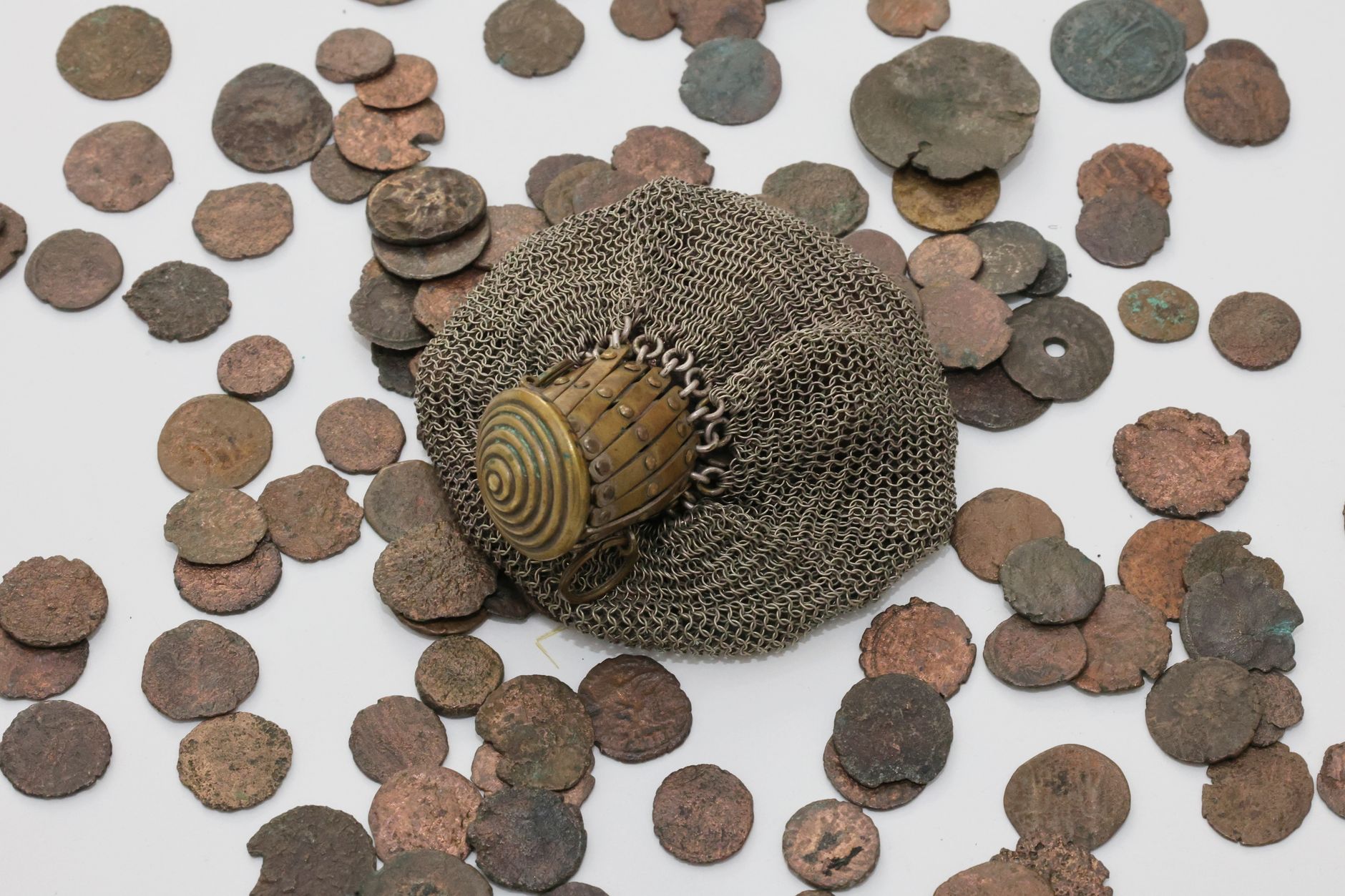
King Edward I recalled all coins due to clipping and counterfeiting. This move aimed to restore the English currency. The recall was a drastic measure to address the dire state of medieval money.
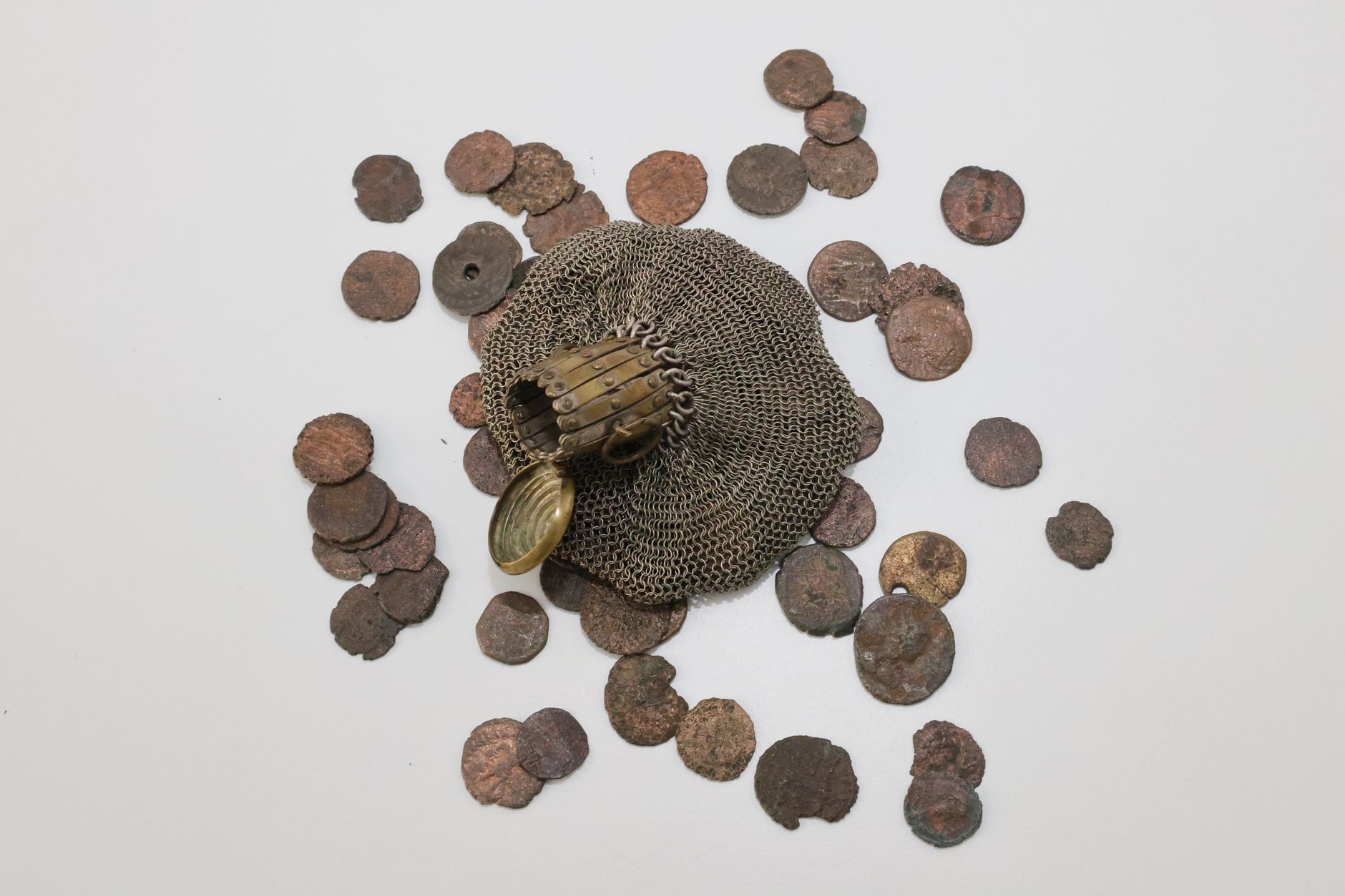
Photo by Tahir Xəlfə on Pexels
Medieval Money Was a Mess
On June 20, 1294, King Edward I of England issued a proclamation at Westminster, ordering the recall of all coins in circulation due to widespread clipping and counterfeiting. This drastic measure was prompted by the dire state of the English currency, which had been severely debased by these practices. Historian Nicholas Mayhew notes that this move was a response to the economic crisis facing the kingdom.
What Everyone Knows
Most people think that medieval money was simple and straightforward, with coins being made of precious metals and stamped with official marks to guarantee their value. The standard story goes that kings and nobles controlled the minting process, ensuring the quality and authenticity of the coins in circulation. However, this narrative overlooks the complexities and challenges of maintaining a stable currency in a medieval economy.
What History Actually Shows
Historians like Peter Spufford and Martin Allen have extensively documented the problems of medieval currency, particularly in England during the 13th century. By 1247, the English penny had already been debased, with the silver content being reduced to less than 90% of its original amount. This reduction in silver content made coins more vulnerable to clipping, a practice where unscrupulous individuals would shave off small amounts of metal from the edges of coins to sell as bullion. Counterfeiting was another major issue, with forgers producing fake coins that were often indistinguishable from the real thing. In 1279, the English government responded to these problems by introducing the sterling standard, which specified the exact amount of silver required in each coin. However, this measure was not enough to prevent the continued debasement of the currency, and by 1300, the English penny had lost nearly half of its original value. According to the historian David Carpenter, the situation was further complicated by the lack of a centralized minting authority, which allowed local minters to produce coins of varying quality and authenticity. The Numismata Carolus, a treatise on coinage written by Charles the Bald in 864, also highlights the challenges of maintaining a stable currency in a medieval economy, where the lack of standardized weights and measures made it difficult to ensure the consistency of coins. As a result, the medieval money system was plagued by corruption and inefficiency, with far-reaching consequences for trade and commerce.
The Part That Got Buried
Historians like Nellie Neilson and Philip Grierson deliberately left out the story of medieval coin clipping and counterfeiting from their accounts of medieval economic history. The Royal Mint, an institution that stood to lose from the revelation of its past failures, actively worked to suppress this information. One concrete reason this history was not told is that the British government sealed many relevant documents, including those related to the Great Debasement of 1544, and they remained inaccessible to researchers for centuries. The decision to keep these records closed was made by the British Treasury, which was concerned about the potential damage to the reputation of the Royal Mint. As a result, the full extent of medieval coin clipping and counterfeiting was not fully understood until many years later. Researchers had to rely on fragmented evidence and whispers of a practice that was once widespread.
The Ripple Effect
The widespread practice of coin clipping and counterfeiting led to a significant devaluation of the currency, which in turn caused inflation and economic instability. This had a direct impact on the poor and vulnerable, who saw their purchasing power drastically reduced. The effects of this event can still be seen today in the modern British currency system, which has a complex set of regulations and safeguards to prevent similar incidents from occurring. For example, the one-pound coin, introduced in 1983, has a number of security features, including a milled edge and a nickel-brass composition, that make it difficult to counterfeit. This is a direct result of the lessons learned from the medieval practice of coin clipping and counterfeiting.
The Line That Says It All
The British government's decision to execute anyone found guilty of high treason, including coin clipping, resulted in the deaths of over 500 people between 1544 and 1550.
A Note on Sources
This article draws on historical records, documented accounts, and academic research related to medieval European economic history and the history of currency and coinage.