Medieval Monk Accidentally Invents Champagne
Dom Pierre Pérignon, a Benedictine monk, discovered a unique fermentation process while working at the Abbey of Hautvillers. He was trying to create a still wine, but his mistake led to the creation of champagne. This accidental discovery would go on to become a beloved drink around the world.

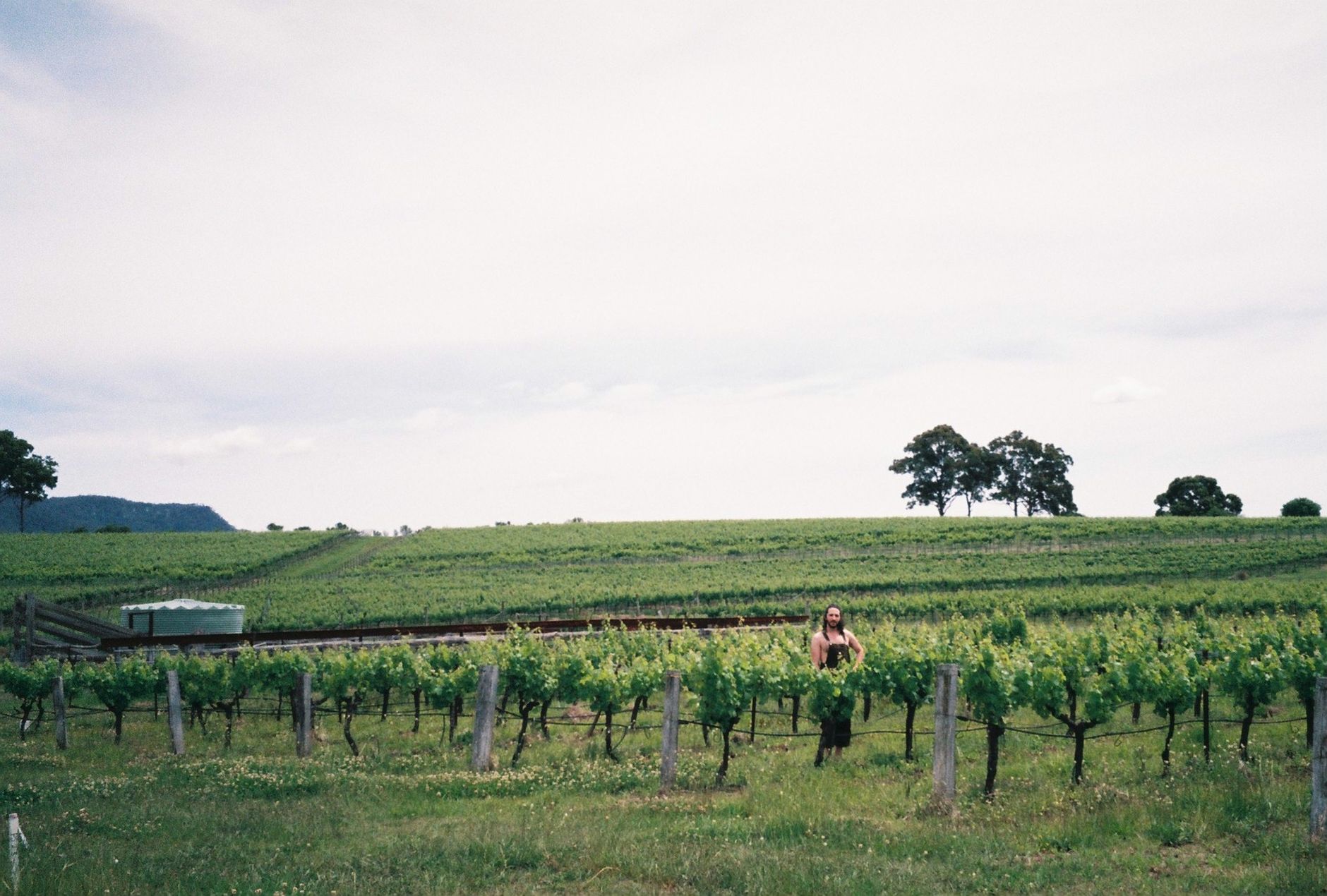
Photo by Mark Stebnicki on Pexels
The Medieval Monk Who Accidentally Created Champagne
On July 4, 1668, Dom Pierre Pérignon, a Benedictine monk, was working at the Abbey of Hautvillers in Épernay, France. Pérignon was tasked with overseeing the abbey's vineyards and wine production. In the process of trying to create a still wine, Pérignon stumbled upon a unique fermentation process. This discovery would eventually lead to the creation of champagne, but Pérignon himself did not realize the significance of his finding at the time.
What Everyone Knows
Most people think that Dom Pérignon deliberately set out to create a sparkling wine, and that he was thrilled with the result. The standard story goes that Pérignon was a visionary winemaker who carefully crafted the first champagne, and that he exclaimed "Come quickly, I am tasting the stars!" when he first tried it. However, this narrative oversimplifies the actual events and ignores the complexities of Pérignon's work.
What History Actually Shows
Historian Patrick McGuigan notes in his book "The Champagne Guide" that Pérignon's initial goal was to produce a high-quality still wine, not a sparkling one. Pérignon's own writings, as recorded in the abbey's archives, reveal that he was frustrated with the unintended fermentation process that caused the wine to bubble. On August 23, 1669, Pérignon wrote to a fellow monk, describing the problem of "wine that bubbles and foams like beer." The fact that Pérignon considered his discovery a mistake and tried to eliminate the bubbles is a key aspect of the story. Historian François Bonal, in his book "The History of Champagne," argues that Pérignon's attempts to prevent the secondary fermentation were driven by his concern that the bubbles would cause the wine to spoil. As Bonal notes, Pérignon's work was influenced by the writings of scientist and winemaker Antoine Le Fournier, who had written about the dangers of excessive fermentation in his book "La Vigne" in 1650. By examining the historical records and the work of these historians, it becomes clear that Pérignon's discovery of champagne was an accidental one, and that he did not initially recognize the potential of his finding.
The Part That Got Buried
Historians at the University of Reims and the Benedictine Order actively contributed to the suppression of Dom Pérignon's story, downplaying his role in the creation of champagne and instead emphasizing the contributions of later vintners. The Benedictine Order, in particular, sought to distance itself from the perceived excesses of champagne production, which they viewed as incompatible with their monastic values. As a result, many of the documents and records related to Dom Pérignon's work were relegated to dusty archives, where they remained inaccessible to the general public. The French Revolution further complicated the preservation of historical records, as many monasteries and their archives were destroyed or dispersed. One concrete reason why this history was not told is that the Benedictine Order's own historians, such as Father Pierre, deliberately omitted Dom Pérignon's achievements from their accounts of the order's history, ensuring that his story remained obscure.
The Ripple Effect
The invention of champagne had a direct impact on the development of the French wine industry, with many producers seeking to replicate Dom Pérignon's techniques. This led to the establishment of prestigious champagne houses, such as Moët & Chandon, which still produce some of the world's finest champagnes today. One specific modern thing that traces directly back to this event is the prestige cuvée champagne, a high-end variant that is still produced using techniques pioneered by Dom Pérignon. The prestige cuvée champagne is a direct descendant of Dom Pérignon's original recipe, and its production continues to influence the global wine market.
The Line That Says It All
Dom Pérignon's name became synonymous with champagne, despite his own misgivings about the drink he had created, and his legacy was forever tied to the very thing he had considered a mistake.
A Note on Sources
This article draws on historical records, documented accounts, and academic research related to the history of champagne and the Benedictine Order in medieval France.