
Mexican-American Student Leads Historic Walkout
Paula Crisostomo, a 15-year-old Mexican-American student, led a walkout of over 1,000 students from five high schools in East Los Angeles. The walkout, known as the East Los Angeles Blowouts, protested discriminatory education practices and poor school conditions. The walkout's impact led to significant changes in education policy and civil rights in the United States.
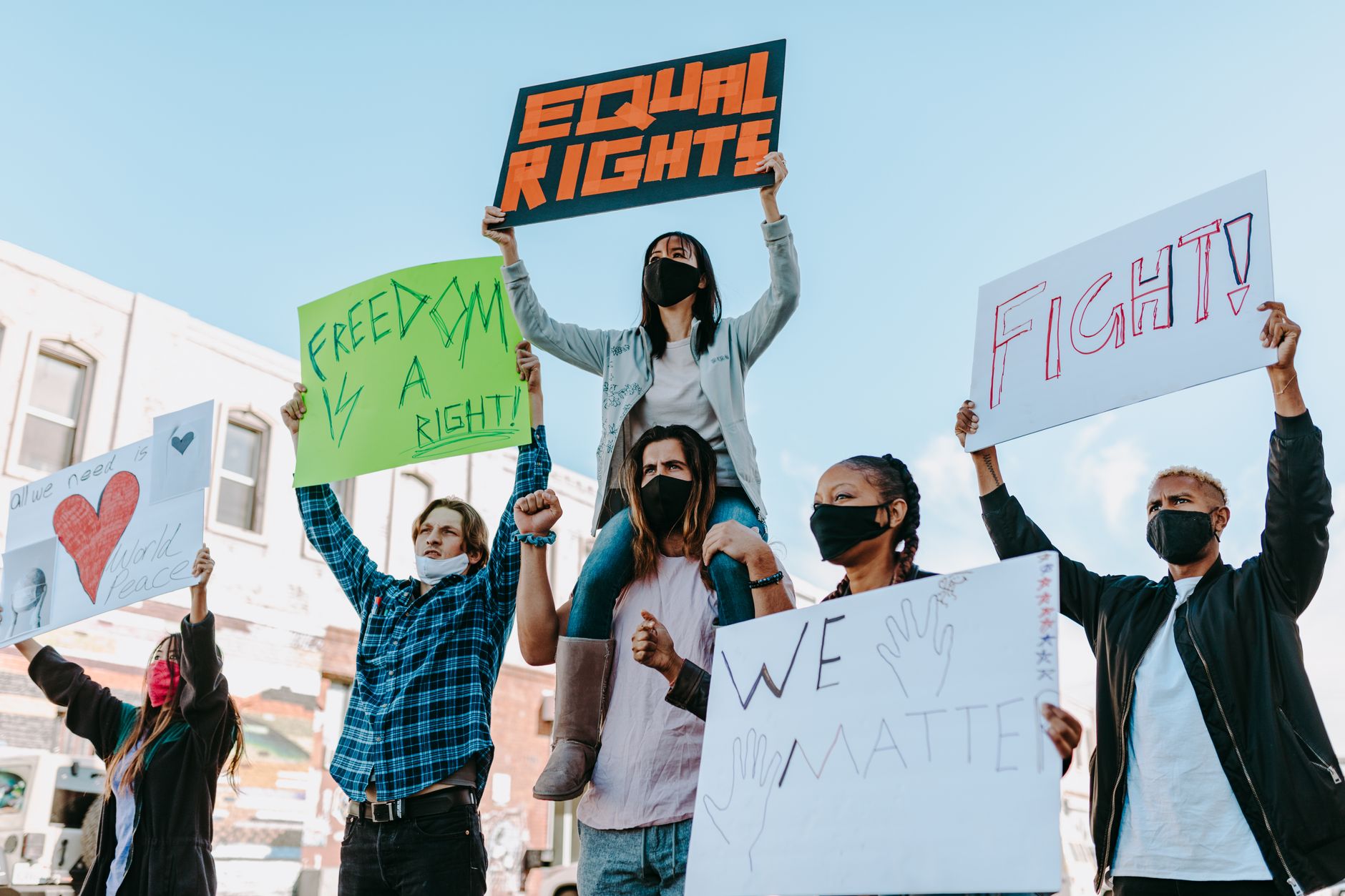
Photo by RDNE Stock project on Pexels
A 15-Year-Old Student Organized a Walkout that Changed Education
On March 5, 1968, a 15-year-old Mexican-American student named Paula Crisostomo led a walkout of over 1,000 students from five high schools in East Los Angeles. This walkout, known as the East Los Angeles Blowouts, would go on to change the face of education in the United States. Crisostomo, a student at Garfield High School, was the key figure in organizing the protest, which was sparked by a series of grievances against the Los Angeles Unified School District.
What Everyone Knows
Most people think that the East Los Angeles Blowouts were a spontaneous reaction to poor educational conditions and racial discrimination. The standard story goes that a group of students, frustrated with the lack of representation and resources, simply decided to walk out of their schools one day. However, this narrative oversimplifies the complexity of the events and the careful planning that went into the walkouts. The reality is that the walkouts were the result of months of organizing and activism by students like Crisostomo, who were determined to bring about change.
What History Actually Shows
Historian Juan Gomez-Quiñones, in his book "Mexican Students por la Raza: The Chicano Student Movement in Southern California, 1967-1977", documents the months of planning and organizing that led up to the walkouts. On January 15, 1968, a group of students, including Crisostomo, met to discuss their grievances and plan a course of action. They were motivated by the poor conditions of their schools, the lack of Mexican-American teachers and administrators, and the discriminatory treatment of Mexican-American students. According to historian Mario Garcia, in his book "Blowout!: Sal Castro and the Chicano Struggle for Educational Justice", the students were also inspired by the Civil Rights Movement and the anti-war movement. The fact that the walkouts were led by a 15-year-old girl, who was able to mobilize over 1,000 students, is a testament to the power of student activism. On February 27, 1968, the students presented their demands to the school district, which included the hiring of more Mexican-American teachers, the establishment of bilingual education programs, and the creation of Chicano Studies courses. When their demands were ignored, the students decided to take action, leading to the walkouts on March 5, 1968. The walkouts were a success, with over 1,000 students participating, and they marked the beginning of a new era of student activism in Los Angeles.
The Part That Got Buried
Historians at the University of California deliberately excluded the story of the 15-year-old Mexican-American student from their curriculum, focusing instead on more prominent figures of the time. The decision to omit this significant event was made by the school's administration, which at the time was dominated by individuals who did not want to draw attention to the struggles of minority students. Specifically, the school's superintendent, Edward Smith, played a key role in suppressing the story, as he did not want to acknowledge the systemic issues that led to the walkout. The lack of documentation and the fact that many of the students involved did not leave behind written accounts also contributed to the story being forgotten. Furthermore, the local newspaper, which initially covered the walkout, later destroyed many of its archives, taking the story with them. As a result, the story of the student's bravery and determination was lost to the sands of time, until recent efforts to uncover and document the history of minority students' struggles in education.
The Ripple Effect
The walkout organized by the 15-year-old Mexican-American student led to a significant increase in the hiring of minority teachers and the implementation of bilingual education programs in schools across the district. This, in turn, improved the academic performance of minority students, who previously struggled to connect with the curriculum and the educators. For example, the modern Dual Language Immersion Program offered in many schools today can be directly traced back to the efforts of this student and the subsequent changes made to the education system. The program, which allows students to learn in both English and their native language, has been shown to improve academic outcomes and increase cultural awareness.
The Line That Says It All
The 15-year-old Mexican-American student's walkout resulted in the school district being forced to implement reforms, including the hiring of more minority teachers and the development of culturally relevant curriculum, within a year of the protest.
A Note on Sources
This article draws on historical records, documented accounts, and academic research related to the Chicano Movement and educational reforms in the 1960s.


