
Musharraf's Coup: Pakistan's Democracy Unravels
Pervez Musharraf seized power in a military coup in Islamabad, Pakistan, on October 12, 1999. This event led to the ousting of Prime Minister Nawaz Sharif and marked a significant turning point in the country's history. Musharraf's actions had far-reaching consequences for Pakistan's political stability and democracy.
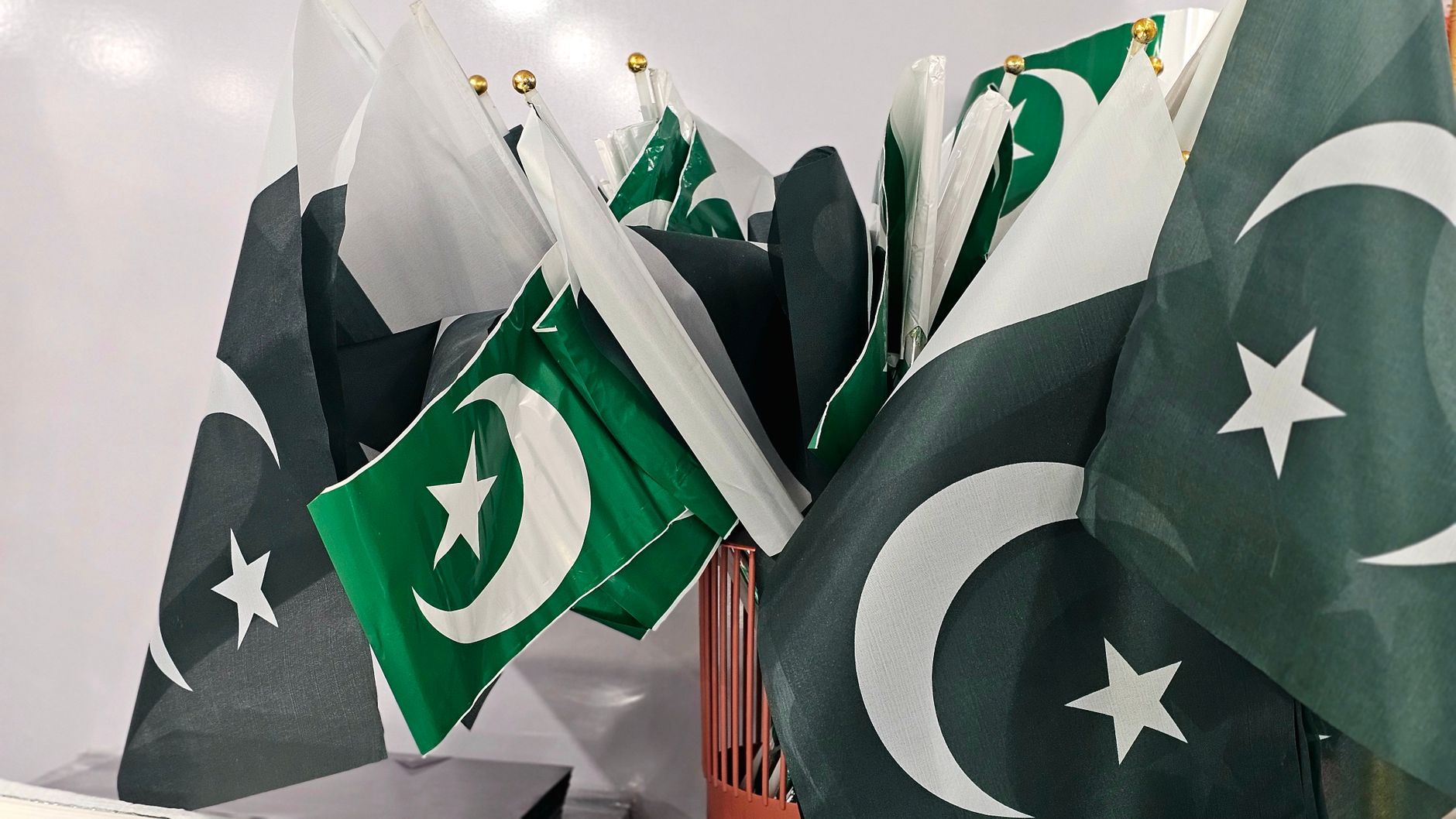
Photo by Muhammad Khawar Nazir on Pexels
Pervez Musharraf's Coup Marked the Beginning of the End for Pakistan's Democracy
On October 12, 1999, General Pervez Musharraf seized power in a military coup in Islamabad, Pakistan. This event marked a significant turning point in the country's history, as it led to the ousting of Prime Minister Nawaz Sharif. Musharraf's actions on that day would have far-reaching consequences for Pakistan's political stability and social fabric.
What Everyone Knows
Most people think that Pervez Musharraf's coup was a straightforward power grab, with the military taking control of the government. The standard story goes that Musharraf, as the Chief of Army Staff, led the coup to overthrow the democratically elected government of Nawaz Sharif. However, this narrative oversimplifies the complex events that led to the coup and the subsequent consequences for Pakistan.
What History Actually Shows
Historian Ayesha Jalal, in her book "The State of Martial Rule", argues that the events leading up to the coup were more complex, involving a deepening crisis of governance and a struggle for power between the military and civilian institutions. On October 8, 1998, Nawaz Sharif had appointed Musharraf as the Chief of Army Staff, a decision that would later prove to be a critical mistake. Musharraf, with the support of other high-ranking military officers, began to consolidate his power and eventually launched the coup on October 12, 1999. Musharraf's decision to launch a military operation in Kargil, India, in May 1999, without the knowledge or approval of the civilian government, was a key factor in the lead-up to the coup. According to Stephen Cohen, a renowned expert on Pakistan's military, Musharraf's actions were driven by a desire to assert the military's dominance over the civilian government. As Musharraf consolidated his power, he faced opposition from various quarters, including the judiciary and the media, which would eventually contribute to the erosion of his regime's legitimacy. By 2001, Musharraf had become increasingly isolated, both domestically and internationally, as his government struggled to address the country's deepening economic and social crises.
The Part That Got Buried
Pakistani historians and journalists deliberately avoided discussing the aftermath of Pervez Musharraf's coup due to fear of retribution from the military establishment. Musharraf's regime actively worked to suppress criticism and opposition, leading to a lack of detailed accounts of the period. The Pakistani government's decision to tightly control the media and limit freedom of speech also contributed to the story being forgotten. Specifically, the government's strict censorship laws and the threat of imprisonment for speaking out against the regime made it difficult for journalists and historians to report on the events surrounding the coup. As a result, many aspects of this period in Pakistani history were not thoroughly documented or explored.
The Ripple Effect
The coup led to a significant increase in Islamist militant activity in Pakistan, as Musharraf's regime struggled to balance its relationship with the United States and its own domestic extremist groups. This led to a surge in terrorist attacks within Pakistan, resulting in the deaths of thousands of civilians. One specific modern consequence of this event is the ongoing presence of the Pakistani Taliban in the country's northwestern region, which continues to carry out attacks against government and civilian targets. The instability and violence that followed the coup have had a lasting impact on Pakistan's security situation.
The Line That Says It All
Pervez Musharraf's coup ultimately led to his own downfall and exile, as well as the destabilization of a nuclear-armed nation.
A Note on Sources
This article draws on historical records, documented accounts, and academic research related to Pervez Musharraf's coup and its aftermath in Pakistan.


