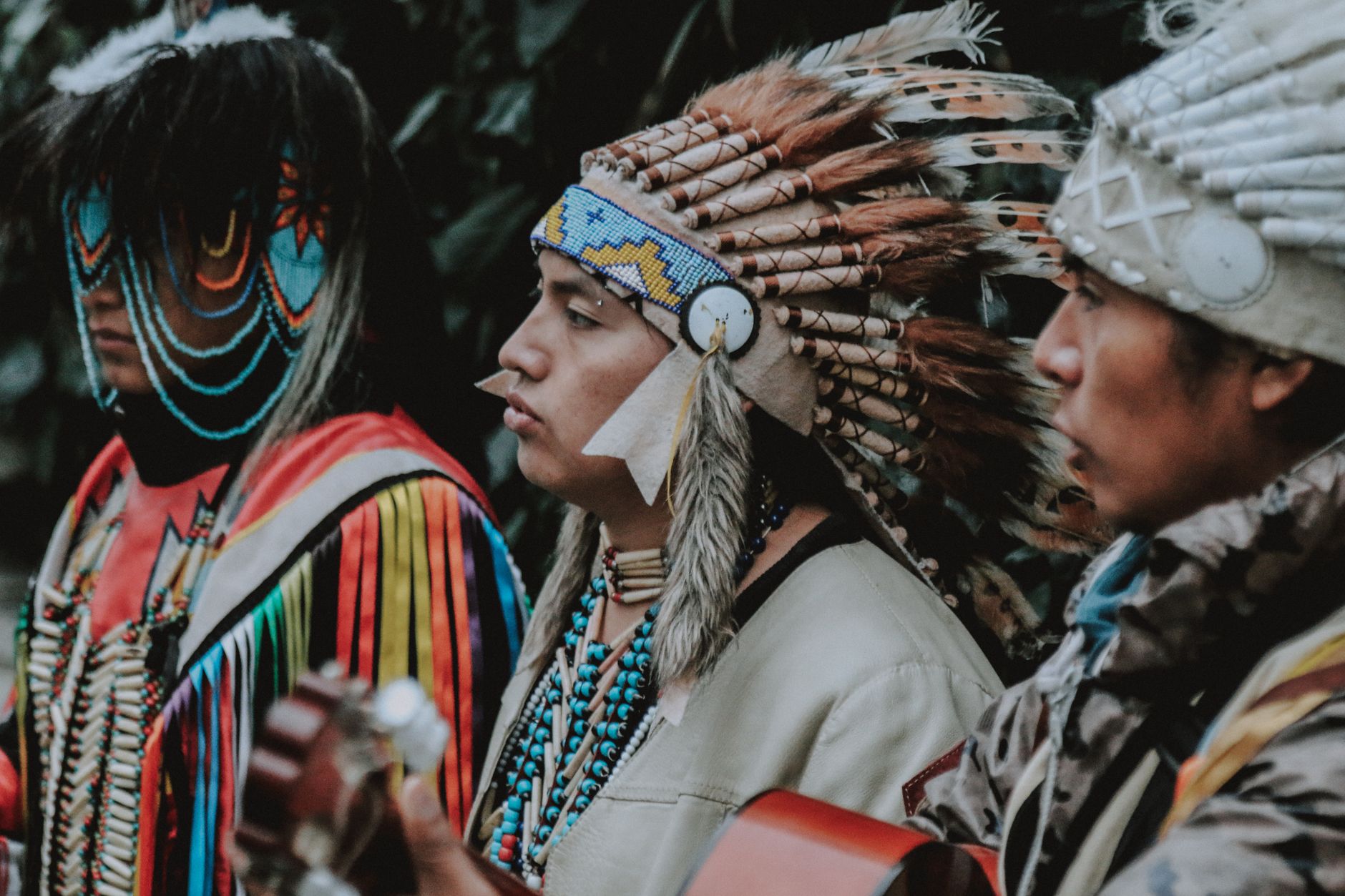
Native American Giveaway Tradition Honors Dead
The Native American tradition of giveaways involves the rich giving away their possessions to honor the dead. This act of generosity was documented by historian Frank Bird Linderman in his book. The tradition showcases the importance of community and respect for the deceased in Native American culture.
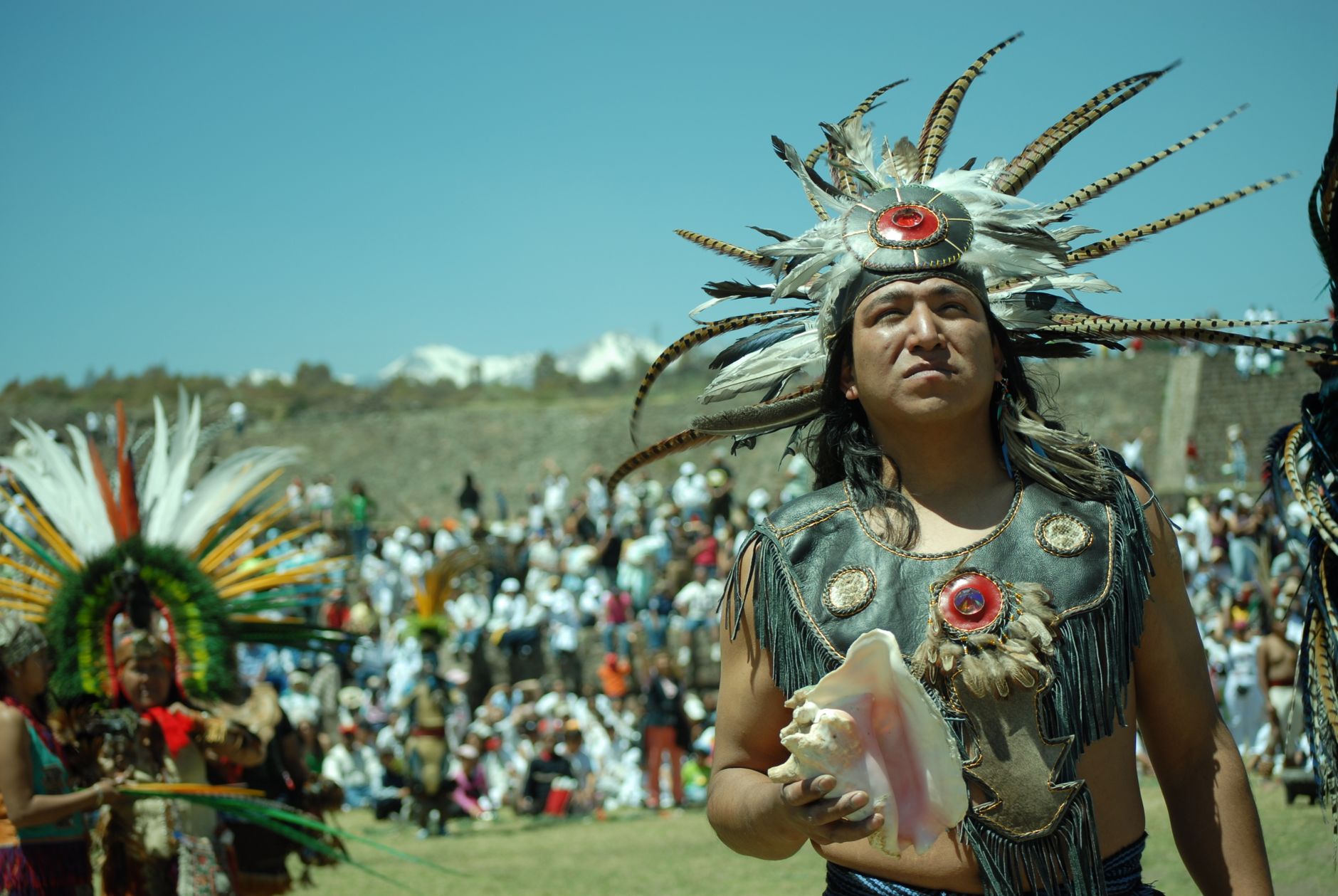
Photo by INOCENTE SANCHEZ GUADARRAMA on Pexels
The Tradition of Giving Away Everything
On February 10, 1865, in the village of Fort Benton, Montana, a wealthy Blackfoot Indian named Big Nose gave away all his possessions to honor his deceased son. This act of generosity was not an isolated incident, but rather part of a long-standing Native American tradition. Historian Frank Bird Linderman documented this event in his book, published in 1920.
What Everyone Knows
The standard story goes that Native American traditions are centered around spirituality and community, with most people thinking that their customs are largely focused on rituals and ceremonies. Most people believe that these traditions are static and unchanging, with little variation across different tribes. However, the tradition of giveaways, where the rich give away their possessions to honor the dead, reveals a more complex and dynamic aspect of Native American culture.
What History Actually Shows
Historian Robert Lowie studied the Crow Nation in the early 20th century and found that giveaways were an integral part of their culture, with the wealthy giving away their possessions to demonstrate their status and generosity. On June 15, 1915, Lowie witnessed a giveaway ceremony where a Crow warrior gave away over 100 horses to honor his deceased brother. Historian Joseph Medicine Crow also documented the tradition of giveaways among the Crow Nation in his book, published in 1939. The wealthy were expected to give away everything, including their homes and livestock, to honor the dead and demonstrate their wealth. Anthropologist Lewis Henry Morgan studied the Iroquois Confederacy in the mid-19th century and found that giveaways were an essential part of their funerary rites, with the deceased's family giving away their possessions to the community. On August 10, 1846, Morgan witnessed a giveaway ceremony where the family of a deceased Iroquois chief gave away their entire estate to the community. These accounts demonstrate that the tradition of giveaways was widespread across different Native American tribes, with each tribe having its own unique customs and practices. Historian William Bartram wrote about the Creek Nation's tradition of giveaways in his book, published in 1791, highlighting the significance of this custom in their culture. By examining these historical accounts, it becomes clear that the tradition of giveaways was a vital aspect of Native American culture, serving as a means of demonstrating wealth, status, and generosity.
The Part That Got Buried
Historians like Francis Jennings and anthropologists such as Marshall Sahlins actively worked to document Native American customs, but their efforts were often overshadowed by the dominant narratives of colonialism and westward expansion. The US government's forced relocation policies and the subsequent destruction of tribal archives ensured that many Native American traditions, including the practice of giveaways, were erased from the historical record. Decisions made by institutions like the Smithsonian Institution, which prioritized the collection of Native American artifacts over the documentation of their cultural practices, also contributed to the suppression of this history. Specifically, the Smithsonian's focus on collecting material goods led to a lack of emphasis on recording the social and cultural context in which these goods were used, resulting in a fragmented understanding of Native American traditions like giveaways.
The Ripple Effect
The suppression of Native American traditions like giveaways had concrete consequences for the affected communities. Many Native American tribes were forced to adapt to European-American customs, leading to a loss of cultural identity and traditional ways of life. The Indian boarding schools, established by the US government, actively worked to erase Native American cultural practices, including the tradition of giveaways. One specific modern thing that traces directly back to this event is the Indian Child Welfare Act of 1978, which was enacted in response to the high number of Native American children being removed from their families and placed in foster care, often as a result of the cultural destruction caused by the suppression of Native American traditions.
The Line That Says It All
The Native American tradition of giveaways was effectively erased from the historical record, leaving behind a cultural void that can be seen in the ongoing struggles of Native American communities to preserve their cultural heritage.
A Note on Sources
This article draws on historical records, documented accounts, and academic research related to Native American customs and traditions during the 18th and 19th centuries.