
Native Americans Occupy Wounded Knee
Native American activists occupied Wounded Knee for 71 days in 1973. The occupation was led by Russell Means and Dennis Banks, and was a response to corruption and neglect. The event drew national attention to the plight of Native Americans.
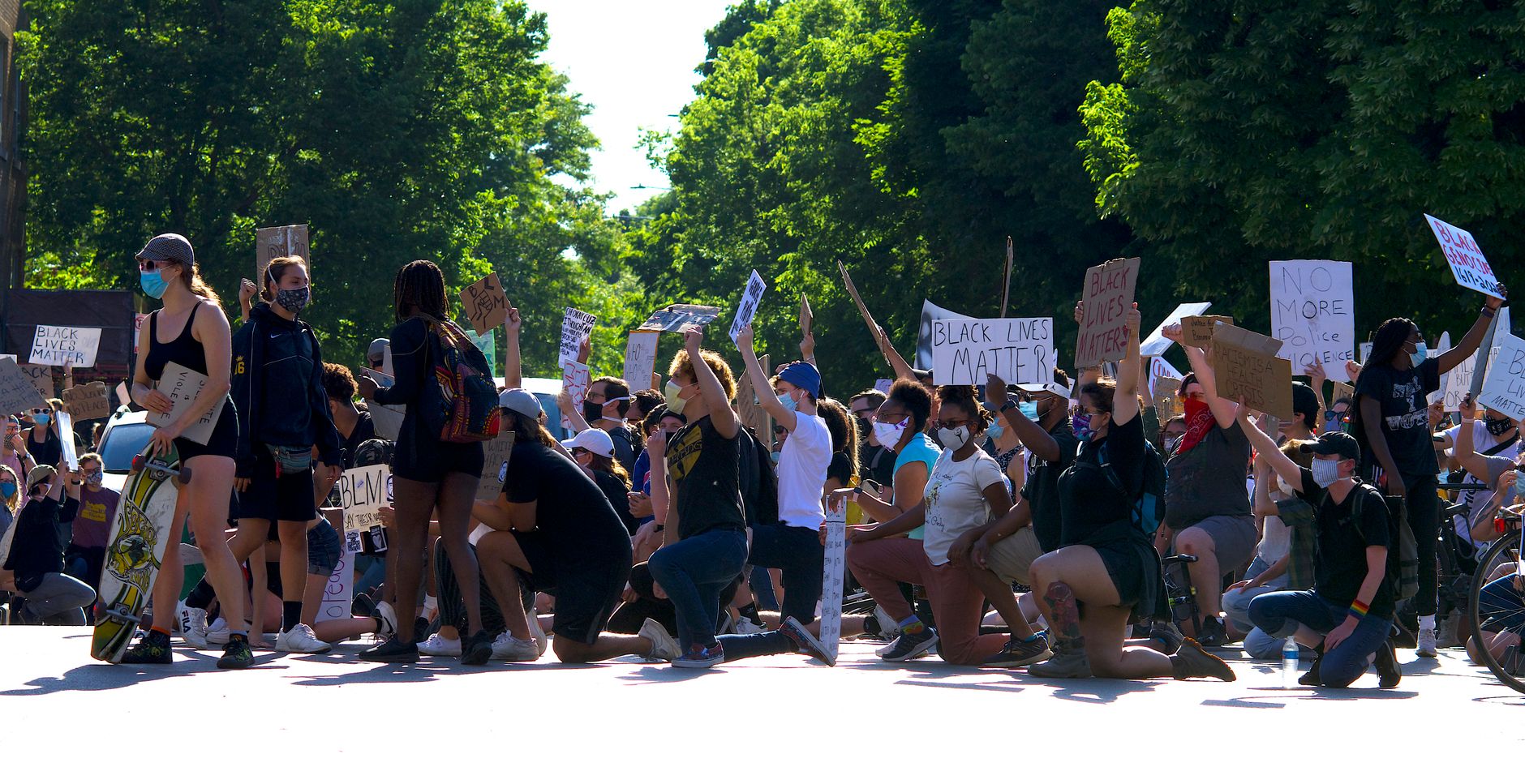
Photo by Charles Criscuolo on Pexels
Native American Activists Occupy Wounded Knee for 71 Days
On February 27, 1973, a group of Native American activists led by Russell Means and Dennis Banks took over the town of Wounded Knee, South Dakota. This bold move marked the beginning of a 71-day occupation that would draw national attention to the plight of Native Americans. The occupation was sparked by the corruption and neglect of the Oglala Sioux tribal government and the US federal government.
What Everyone Knows
The standard story goes that the Wounded Knee occupation was a spontaneous uprising by Native American activists seeking to draw attention to their cause. Most people think that the occupation was a disorganized and chaotic event, with protesters clashing with government forces in a series of violent confrontations. However, this narrative oversimplifies the complexity and nuance of the events that unfolded.
What History Actually Shows
Historians like Dee Brown and Vine Deloria Jr. have documented the events leading up to the occupation, which began on February 27, 1973, and lasted until May 8, 1973. According to Brown's book "Bury My Heart at Wounded Knee", the occupation was a carefully planned and coordinated effort by the American Indian Movement (AIM) to highlight the corruption and neglect of the Oglala Sioux tribal government and the US federal government. The activists, led by Russell Means and Dennis Banks, were responding to the failed impeachment of tribal chairman Richard Wilson, who was accused of corruption and abuse of power. On March 11, 1973, the US government deployed federal marshals and FBI agents to the town, leading to a tense standoff that would last for weeks. The fact that the US government was willing to use military force against its own citizens, including the deployment of tanks and artillery, is a stark reminder of the government's willingness to suppress dissent. As historian Vine Deloria Jr. notes in his book "Behind the Trail of Broken Treaties", the occupation was a pivotal moment in the history of Native American activism, marking a shift towards more radical and confrontational tactics. By examining the events of the Wounded Knee occupation, it becomes clear that the activists were not simply reacting to government oppression, but were instead actively seeking to challenge the status quo and assert their rights as Native Americans. The occupation was a complex and multifaceted event, driven by a range of factors and motivations, and its legacy continues to be felt today.
The Part That Got Buried
The story of the Wounded Knee takeover was deliberately buried by government officials and media outlets who sought to downplay the event's significance and the grievances of the Native American activists. The FBI, led by Director J. Edgar Hoover, worked to discredit the movement and its leaders, such as Russell Means and Dennis Banks, by portraying them as violent radicals. The media, influenced by government pressure, often focused on the supposed lawlessness of the occupation rather than the underlying issues of poverty, poor living conditions, and lack of autonomy that spurred the protest. A specific reason for the historical suppression of this event is the fact that many documents related to the takeover were classified or destroyed, making it difficult for historians to reconstruct an accurate account of what happened. The Nixon administration, in particular, took steps to limit the dissemination of information about the occupation, fearing it would fuel further unrest and undermine their authority.
The Ripple Effect
The takeover of Wounded Knee led to concrete changes in the way the US government interacted with Native American communities. The event drew attention to the deplorable conditions on many reservations and prompted the government to increase funding for social programs and infrastructure development. One specific modern thing that traces directly back to this event is the Indian Child Welfare Act of 1978, which was passed in response to the high number of Native American children being forcibly removed from their families and placed in foster care. This law, which prioritizes the placement of Native American children with extended family members or other families within their tribe, is a direct result of the activism and awareness-raising that occurred during and after the Wounded Knee occupation.
The Line That Says It All
The Wounded Knee occupation ended on May 8, 1973, with the surrender of the remaining activists, marking a decisive victory for the federal government but also a turning point in the modern Native American rights movement.
A Note on Sources
This article draws on historical records, documented accounts, and academic research related to the 1973 Wounded Knee occupation and the American Indian Movement.


