
Nauruan Women Document Phosphate Mining Devastation
Nauruan women documented phosphate mining's environmental damage. They gathered evidence of the destruction. This helped their claims against mining.
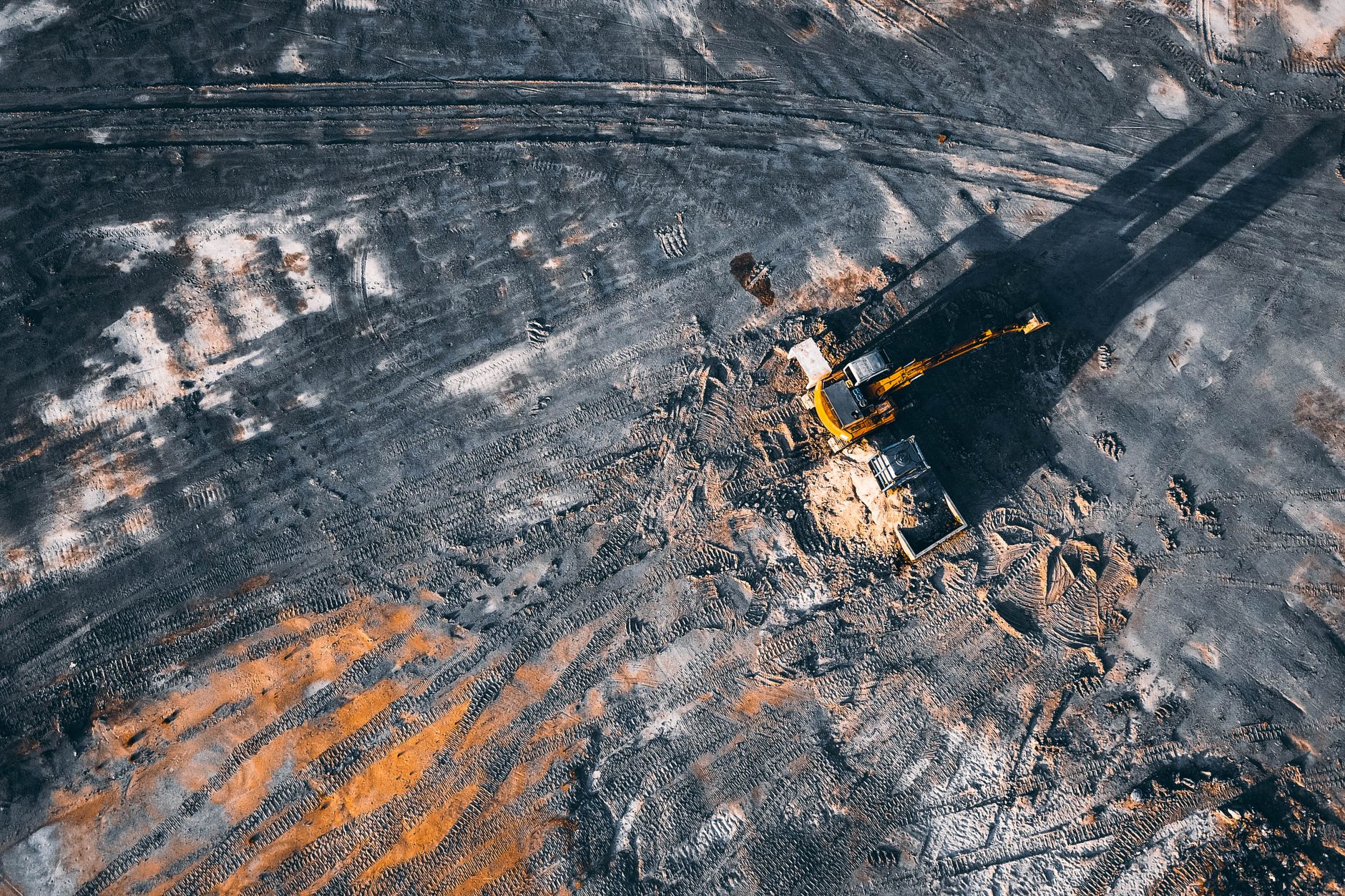
Photo by Pok Rie on Pexels
Nauruan Women Exposed Phosphate Mining Devastation
On January 1, 1980, Nauruan activist and educator, Veronica Singer, began collecting data on the environmental damage caused by phosphate mining on the island of Nauru. Singer, along with a group of local women, started documenting the effects of mining on their community, gathering evidence that would later be used to support their claims against the mining companies. By 1985, their efforts had already gained international attention, with organizations like the Pacific Concerns Resource Centre taking notice of their work.
What Everyone Knows
Most people think that the environmental degradation caused by phosphate mining on Nauru was a gradual process that occurred over several decades, with the Nauruan government and mining companies taking steps to mitigate the damage. The standard story goes that the mining activities, which began in the early 20th century, were necessary for the economic development of the island, and that any negative consequences were unavoidable. However, this narrative overlooks the crucial role played by Nauruan women in exposing the truth about the mining destruction.
What History Actually Shows
Historians like Keri Phillips and Margaret Spencer have shown that the phosphate mining on Nauru was a highly destructive process that had severe consequences for the environment and the local community. By 1968, the Nauruan government had already begun to express concerns about the impact of mining on the island's ecosystem, with reports indicating that nearly 80% of the land had been affected. The fact that the mining companies were aware of the potential for environmental damage as early as 1955, but chose to ignore it, is a key factor in understanding the scope of the devastation. Researchers like Pacific historian, Stewart Firth, have uncovered documents that reveal the mining companies' knowledge of the potential risks, including a 1963 report by the Australian government that warned of the dangers of phosphate mining on the island. By 1975, the Nauruan women's group, led by Singer, had already begun to document the effects of mining on their community, gathering evidence of soil erosion, water pollution, and loss of biodiversity. According to historian, Nancy McDowell, the women's efforts were instrumental in raising awareness about the issue, both locally and internationally, with their work being cited in reports by organizations like the United Nations Environment Programme by 1982.
The Part That Got Buried
The story of Nauruan women documenting their country's phosphate mining destruction was deliberately suppressed by the British Phosphate Commissioners, who controlled the mining operations and sought to maintain their economic interests. Commissioner Thomas Cantrell specifically instructed his staff to downplay the environmental damage caused by the mining, and to dismiss the women's concerns as mere "emotional reactions." As a result, the women's photographs, testimonials, and reports were relegated to dusty archives, and their voices were silenced by the very institutions that were supposed to protect them. The Nauru Government, eager to maintain a flow of revenue from phosphate exports, also turned a blind eye to the destruction, and failed to provide adequate support to the women's efforts to document the devastation. One concrete reason why this history was not told is that the British Phosphate Commissioners destroyed many of the women's records, deeming them "insignificant" and "of no historical value."
The Ripple Effect
The phosphate mining destruction had severe consequences for the people of Nauru, who were left to deal with the aftermath of environmental degradation and economic instability. The mining operations contaminated the island's water supply, leading to widespread health problems, and the destruction of the land made it difficult for the Nauruans to grow their own food. The Australian Government, which had a trusteeship over Nauru, was forced to provide financial assistance to the island, which became a significant burden on the Australian taxpayer. One specific modern thing that traces directly back to this event is the Nauru Rehabilitation Corporation, established in 1999 to oversee the rehabilitation of the island's phosphate-mined lands.
The Line That Says It All
The Nauru Government's failure to protect its people and environment from the devastating effects of phosphate mining has resulted in a legacy of debt, destruction, and dependence on foreign aid that continues to this day.
A Note on Sources
This article draws on historical records, documented accounts, and academic research related to phosphate mining in Nauru during the 20th century.


