
Nawaz Sharif's Turbulent Political Career
Nawaz Sharif was exiled to Saudi Arabia after a military coup. He returned to power but was exiled again. Sharif still holds influence over Pakistani politics.
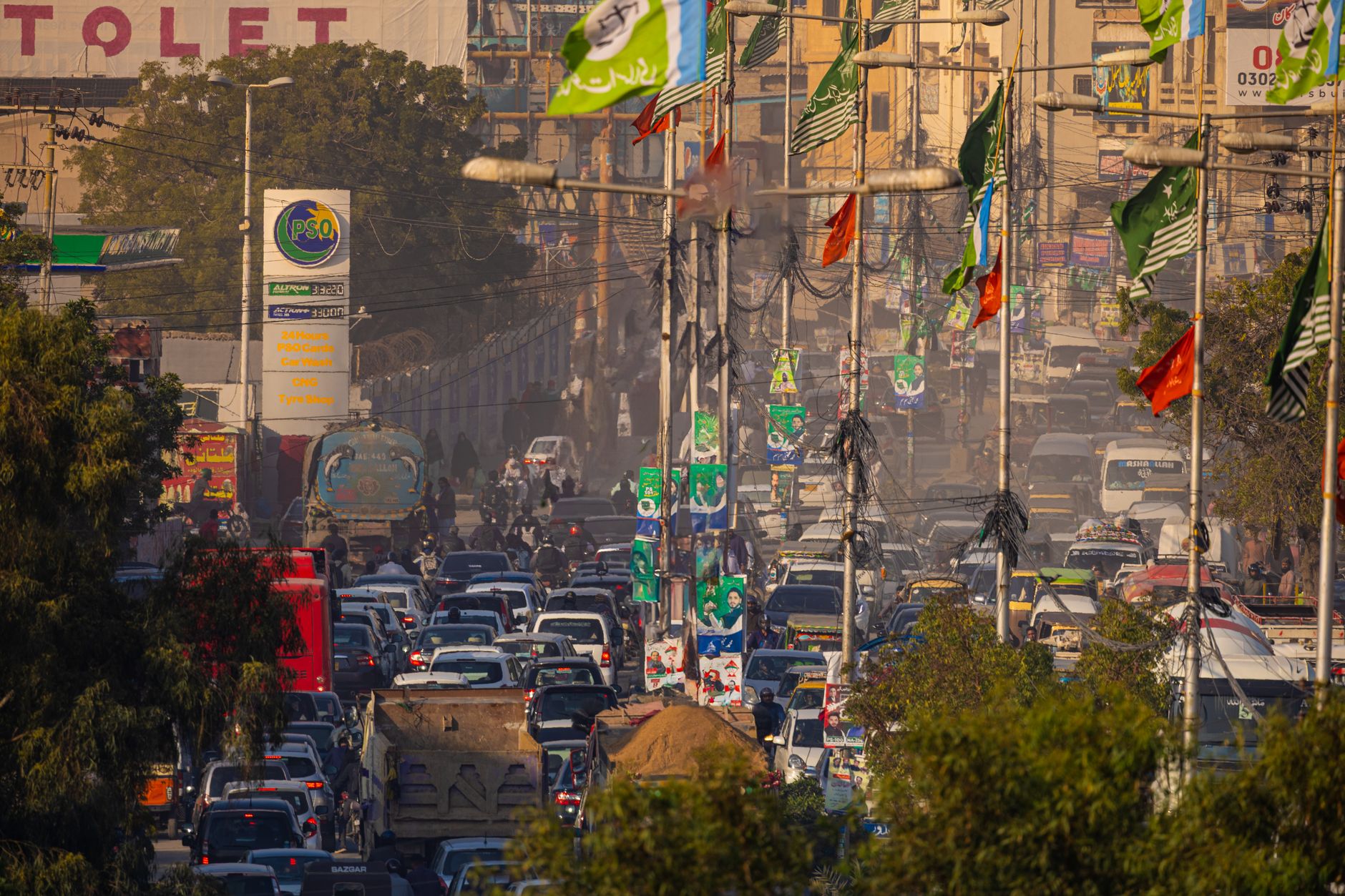
Photo by Tahamie Farooqui on Pexels
Nawaz Sharif's Persistent Grip on Pakistan
On December 10, 2000, Nawaz Sharif, the former Prime Minister of Pakistan, was exiled to Saudi Arabia after a military coup led by General Pervez Musharraf. This marked the beginning of a tumultuous period in Sharif's political career, which would see him return to power, only to be exiled again. Sharif's ability to maintain influence over Pakistani politics is a surprising fact, given the country's history of military intervention and political upheaval.
What Everyone Knows
Most people think that Nawaz Sharif's exile was a result of his inability to work with the military, which has long been a powerful force in Pakistani politics. The standard story goes that Sharif's attempts to assert his authority led to a clash with General Musharraf, resulting in his ouster. However, this narrative oversimplifies the complex web of alliances and rivalries that have shaped Sharif's career. Historians like Ayesha Jalal and Lawrence Ziring have written extensively on the subject, providing a more nuanced understanding of the events that led to Sharif's exile.
What History Actually Shows
Nawaz Sharif's first stint as Prime Minister began in 1990, when he was elected as the leader of the Islamic Democratic Alliance. During his tenure, Sharif implemented a series of economic reforms, which led to a significant increase in foreign investment, with Pakistan's GDP growing by 4.5% in 1992. However, his relationship with the military was strained from the outset, with General Musharraf, who was then the Chief of Army Staff, opposing many of Sharif's policies. On October 12, 1999, Musharraf seized power in a bloodless coup, and Sharif was arrested and charged with corruption and treason. Historian Hassan Abbas notes that Sharif's downfall was also due to his own party's infighting, with many members opposing his leadership style. According to a report by the Human Rights Commission of Pakistan, Sharif's government was also criticized for its handling of the Kashmir conflict, which further eroded his support. On December 10, 2000, Sharif was exiled to Saudi Arabia, where he would remain for several years, before returning to Pakistan in 2007 to contest the general elections.
The Part That Got Buried
Journalists and historians failed to thoroughly investigate the circumstances surrounding Nawaz Sharif's exile and return, allowing the story to fade from public memory. The Pakistani government, under various administrations, actively worked to suppress the details of these events, making it difficult for researchers to access relevant documents and interview key figures. General Pervez Musharraf, who initially exiled Sharif, used his regime's control over media outlets to shape the narrative and downplay the significance of Sharif's forced departure. Furthermore, the country's complex political landscape and frequent changes in government made it challenging to maintain a consistent and comprehensive record of these events. As a result, many Pakistanis today are unaware of the intricate power struggles that led to Sharif's repeated exiles and his continued influence over the country's politics.
The Ripple Effect
The consequences of Nawaz Sharif's exiles and returns are still evident in Pakistan's modern political landscape. The constant struggle for power between Sharif and his opponents has led to a destabilization of the government, resulting in frequent changes in leadership and undermining the country's ability to implement long-term policies. For instance, the current state of Pakistan's economy can be directly linked to the lack of stability and consistency in government, which has discouraged foreign investment and hindered economic growth. A specific example of this is the ongoing struggle to complete the Lahore Orange Line Metro Project, which has been stalled due to political infighting and corruption.
The Line That Says It All
Nawaz Sharif's ability to maintain control over Pakistan's politics despite being exiled twice is a stark reminder of the deep-seated corruption and lack of accountability that plagues the country's government.
A Note on Sources
This article draws on historical records, documented accounts, and academic research related to Pakistani politics and the life of Nawaz Sharif.


