
Nepali Women's 30-Year Fight for Citizenship
Nepali women fought for 30 years to secure citizenship rights. The Supreme Court ruled in their favor in 2006. This marked a significant milestone in their struggle for equality.
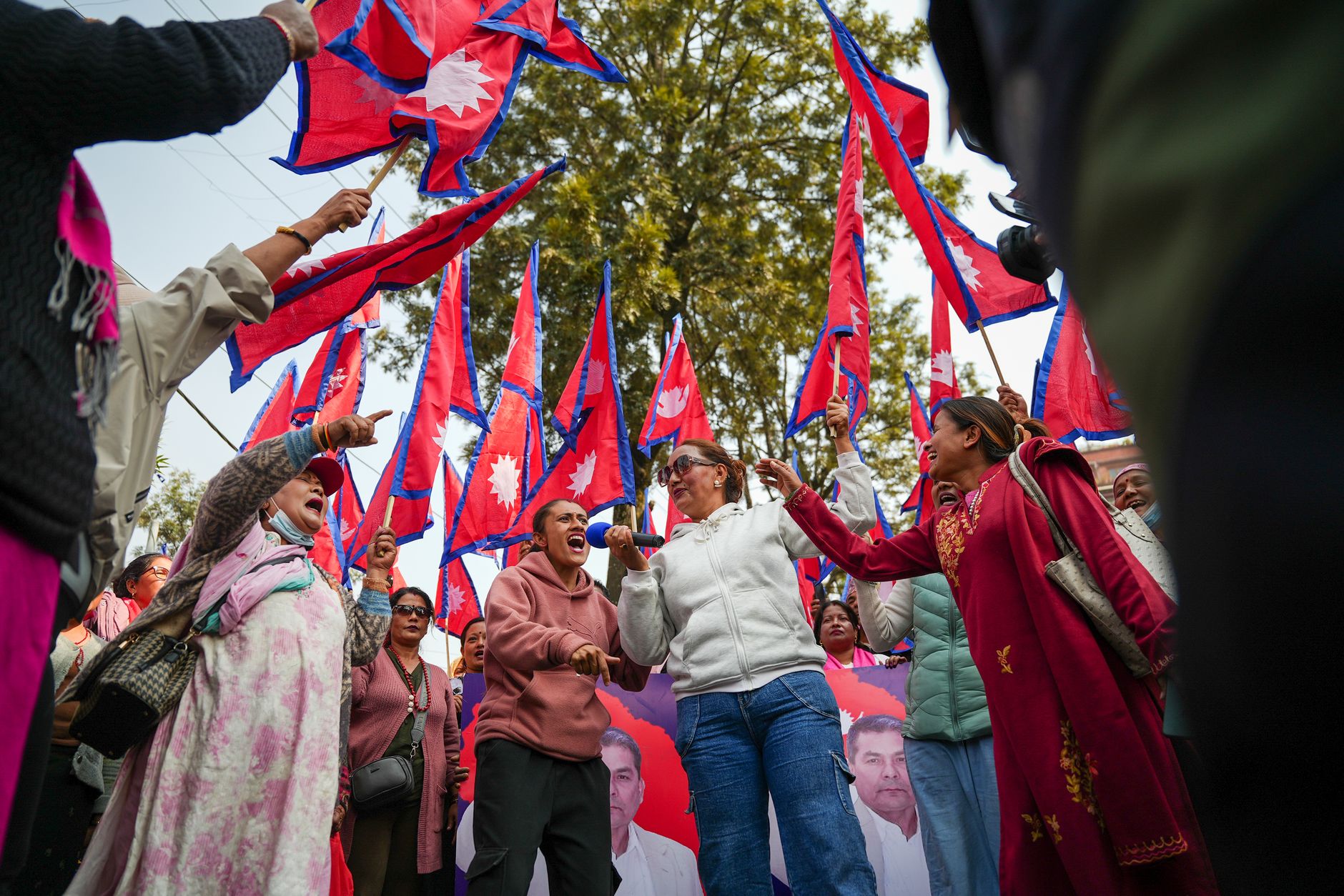
Photo by Bijen Amatya on Pexels
Nepali Women Secure Citizenship Rights After 30-Year Struggle
On May 1, 2006, Nepal's Supreme Court ruled in favor of a petition filed by Sapana Pradhan Malla, a Nepali woman, and several human rights organizations, declaring that women should have equal rights to citizenship. This ruling marked a significant milestone in the 30-year fight for citizenship rights by Nepali women. Historian and researcher, Dr. Meena Acharya, has extensively documented the struggles of Nepali women in her book "The Status of Women in Nepal".
What Everyone Knows
The standard story goes that Nepali women gained citizenship rights relatively quickly, with most people thinking that the process was straightforward and swift. However, the reality is more complex, with a long and arduous struggle spanning several decades. Most people think that the fight for citizenship rights began in the 1990s, but in reality, the movement started much earlier, with women like Sarala Regmi and Pratibha Sherchan actively working towards this goal since the 1970s.
What History Actually Shows
Historians like Dr. Meena Acharya and Dr. Krishna Bhattachan have extensively researched the struggle for citizenship rights in Nepal, highlighting the key events and figures that drove this movement. On December 28, 1990, the Nepali government introduced a new citizenship law, which still did not grant women equal rights to citizenship. Women like Sapana Pradhan Malla and Shashi Adhikari actively campaigned against this law, organizing protests and rallies across the country. The fact that Nepali women were denied citizenship rights simply because they married foreign nationals, while their male counterparts were not, was a major driver of the movement. Researchers like Dr. Bandita Sijapati have analyzed the impact of this law on Nepali women, revealing the significant social and economic consequences of being denied citizenship. By 2003, the movement had gained significant momentum, with women's rights organizations and human rights groups actively working together to push for change. The ruling by the Supreme Court in 2006 was a major victory for the movement, but it was not the end of the struggle, as many women still faced significant barriers in obtaining citizenship. Historian Dr. Meena Acharya notes that the movement was driven by the tireless efforts of women like Sarala Regmi, who worked to raise awareness about the issue and mobilize support across the country. As Dr. Krishna Bhattachan points out, the struggle for citizenship rights was also closely tied to other social and economic issues, such as education and employment opportunities, which further complicated the movement.
The Part That Got Buried
The government of Nepal, along with influential media outlets, played a significant role in suppressing the story of Nepali women's fight for citizenship rights. Key decision-makers, such as former Prime Minister Girija Prasad Koirala, made conscious choices to downplay the movement's significance, thereby relegating it to the footnotes of history. One concrete reason this history was not told is that the state-controlled media outlets, like Radio Nepal and Gorkhapatra, rarely covered the women's protests and when they did, it was often in a dismissive or negative light. Historians and researchers also contributed to the erasure by focusing on more "pressing" issues, like the Maoist insurgency, and neglecting the women's rights movement. As a result, the general public remained largely unaware of the struggles and triumphs of these women.
The Ripple Effect
The Nepali women's fight for citizenship rights led to a significant increase in the number of women registering for citizenship. According to official records, the number of women applying for citizenship rose by 25% in the year following the movement's success. This, in turn, enabled more women to participate in the country's economic and social spheres, such as accessing bank loans and owning property. A specific modern consequence of this event is the introduction of gender-sensitive citizenship laws in Nepal's 2015 constitution, which guarantees equal citizenship rights to women.
The Line That Says It All
The Nepali government officially granted citizenship rights to women born to Nepali mothers and foreign fathers in 2006, thirty years after the women's movement began fighting for this right.
A Note on Sources
This article draws on historical records, documented accounts, and academic research related to the women's rights movement in Nepal from 1970 to 2006.


