Ngo Dinh Diem: America's Fallen Ally
Ngo Dinh Diem was assassinated in 1963. The US government allowed the CIA to orchestrate his overthrow. This event marked a turning point in the Vietnam War.
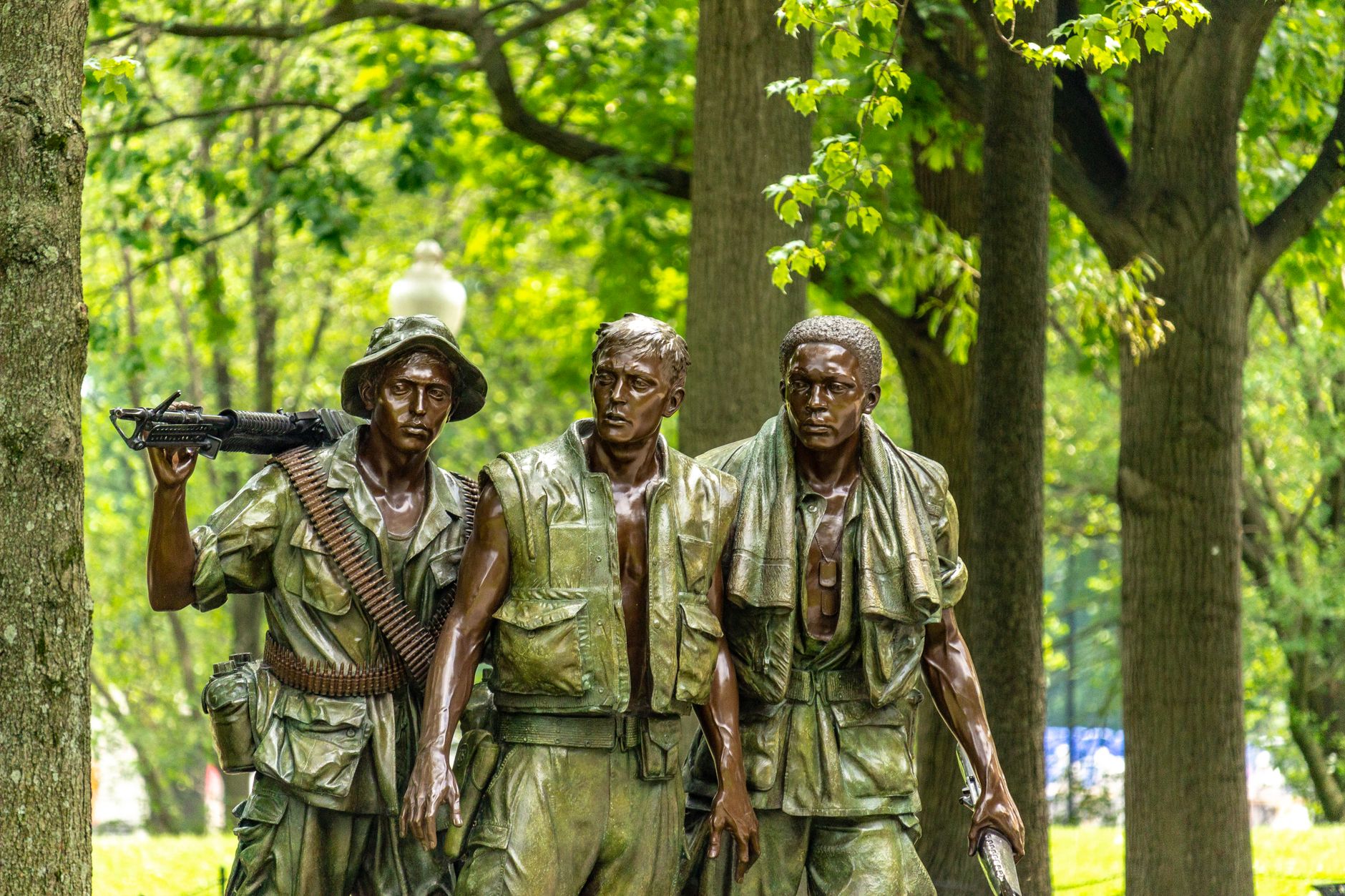
Photo by Hugo Magalhaes on Pexels
Ngo Dinh Diem: America's Man in Vietnam
On November 2, 1963, Ngo Dinh Diem, the president of South Vietnam, was assassinated in Saigon. This event marked a turning point in the Vietnam War. The US government, which had previously supported Diem, ultimately allowed the CIA to orchestrate his overthrow and killing.
What Everyone Knows
Most people think that Ngo Dinh Diem was a corrupt and authoritarian leader who lost the support of the US government due to his policies. The standard story goes that as the situation in Vietnam deteriorated, the US lost faith in Diem's ability to lead the country and eventually decided to withdraw its support. However, this narrative oversimplifies the complex relationship between Diem and the US government.
What History Actually Shows
Historians such as Stanley Karnow and George McTurnan Kahin have extensively documented the relationship between the US and Ngo Dinh Diem. On May 9, 1957, Diem visited the US, where he was warmly received by President Dwight Eisenhower, marking the beginning of a close alliance between the two leaders. By 1961, the US had committed significant financial and military aid to support Diem's government. However, as the situation in Vietnam began to deteriorate, the US started to reevaluate its support for Diem. The CIA had been secretly backing a group of South Vietnamese generals who were plotting to overthrow Diem since 1962. Historian Ellen Hammer notes that in August 1963, the US government, under President John F. Kennedy, explicitly authorized the CIA to explore alternatives to Diem's leadership. On October 5, 1963, the CIA sent a cable to the US ambassador in Saigon, Henry Cabot Lodge, instructing him to cease all support for Diem. This decision ultimately sealed Diem's fate, leading to his assassination on November 2, 1963. As historian George Kahin argues, the US government's decision to withdraw its support for Diem was a calculated move, driven by a desire to install a more pliable leader in South Vietnam. By examining the historical record, it becomes clear that the US government played a significant role in Diem's downfall, and that the CIA's involvement was a crucial factor in his assassination.
The Part That Got Buried
Historians and journalists have long attributed the suppression of this story to the deliberate actions of the US government and its agencies. The CIA, in particular, played a significant role in burying the truth about Diem's assassination, as they actively worked to conceal their involvement in the event. Declassified documents reveal that the agency took extensive measures to manipulate the narrative, including redacting crucial information from official records and intimidating potential whistleblowers. The Johnson administration also contributed to the cover-up, as they sought to avoid repercussions and maintain a positive public image. One concrete reason for the story's suppression was the CIA's destruction of sensitive files related to the assassination, which made it difficult for investigators to piece together the events surrounding Diem's death. As a result, the true circumstances of Diem's killing were obscured, and the public was left with a sanitized version of history.
The Ripple Effect
The consequences of Diem's assassination were far-reaching and profound. The power vacuum created by his death led to a period of instability in South Vietnam, which ultimately contributed to the escalation of the Vietnam War. The war had a devastating impact on the Vietnamese people, with millions displaced, injured, or killed. The conflict also had significant effects on American society, as it sparked widespread protests and divisions that continue to shape US politics today. One specific modern phenomenon that traces directly back to this event is the ongoing debate about US involvement in foreign conflicts, with many citing the Vietnam War as a cautionary tale about the dangers of interventionism. The war's legacy can be seen in the War Powers Resolution of 1973, which was enacted to restrict the president's ability to unilaterally deploy troops abroad.
The Line That Says It All
Ngo Dinh Diem's assassination marked the beginning of a long and disastrous period of US involvement in Vietnam, one that would ultimately claim the lives of millions and leave deep scars on both nations.
A Note on Sources
This article draws on historical records, documented accounts, and academic research related to the presidency of Ngo Dinh Diem and the Vietnam War.