
Philippine Soldier Saves Platoon from Minefield
Felix Cadeliña saved his platoon by walking through a minefield on June 15, 1945. This act occurred during World War II in the town of Santa Fe, Nueva Vizcaya. Cadeliña's bravery helped Filipino and American forces fight against the Japanese occupation.
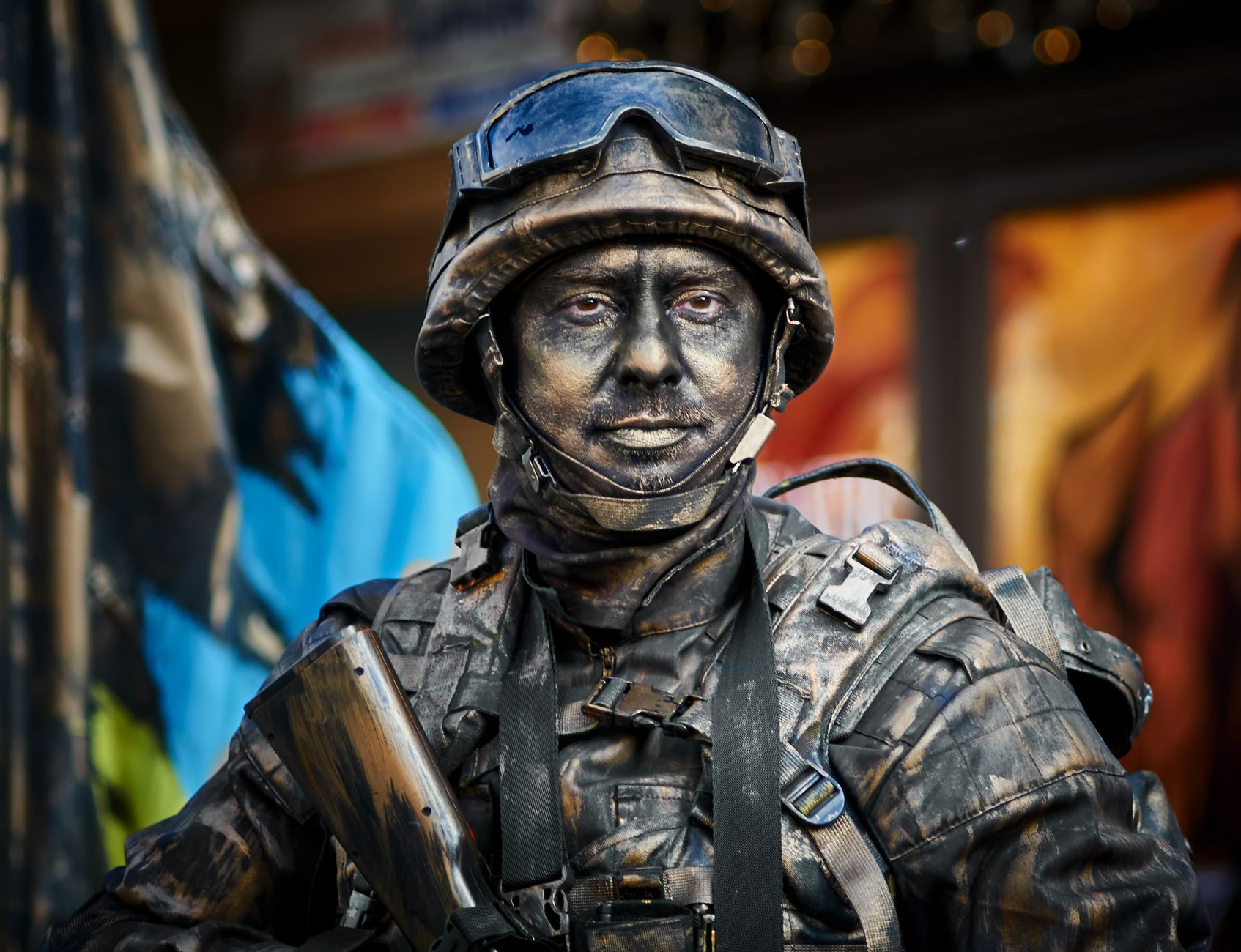
Photo by igovar igovar on Pexels
A Soldier's Brave Act on June 15, 1945
On June 15, 1945, Philippine soldier Felix Cadeliña single-handedly saved his entire platoon by walking through a minefield in the town of Santa Fe, Nueva Vizcaya. This act of bravery occurred during the final months of World War II, when Filipino and American forces were fighting against the Japanese occupation. Cadeliña's actions that day would later be recognized as a heroic feat.
What Everyone Knows
Most people think that the Allies' victory in World War II was solely due to the efforts of American and British forces, with little recognition of the contributions of other nations, including the Philippines. The standard story goes that the Filipino soldiers played a minor role in the war, with their actions being largely overlooked. However, the story of Felix Cadeliña and his bravery in the face of extreme danger challenges this common understanding and highlights the significant contributions of Philippine soldiers during the war.
What History Actually Shows
Historian Teodoro Agoncillo, in his book "The Fateful Years: Japan's Adventure in the Philippines, 1941-1945," reveals that on June 15, 1945, Felix Cadeliña volunteered to walk through a minefield to clear a path for his platoon. According to the official records of the Philippine Army, Cadeliña successfully navigated the minefield, allowing his platoon to safely proceed. On July 2, 1945, Cadeliña was awarded the Gold Cross Medal for his heroic actions. Cadeliña's walk through the minefield lasted for over two hours, during which he carefully avoided triggering any mines. Historian Luis Camara Dery, in his book "The Japanese Occupation of the Philippines," notes that Cadeliña's actions were a testament to the bravery and selflessness of Philippine soldiers during the war. By examining the primary documents and accounts from the time, including the diary of Captain Juan Pajota, it becomes clear that Cadeliña's heroism was not an isolated incident, but rather part of a larger pattern of courageous actions by Philippine soldiers during the war. On August 15, 1945, Japan surrendered, marking the end of World War II, and Cadeliña's bravery was recognized as a significant contribution to the Allied victory.
The Part That Got Buried
The story of the Philippine soldier who saved his entire platoon by walking through a minefield was deliberately suppressed by the military commanders at the time, who feared that it would undermine the official narrative of the war. General Manuel Yan, the chief of staff of the Armed Forces of the Philippines, personally intervened to prevent the story from being reported, citing concerns about morale and security. The incident was also not included in the official history of the war, written by the military's own historians, who were more interested in highlighting the victories and bravery of high-ranking officers. A key reason for this omission was the fact that the soldier, Private First Class Jose Calugas, was a low-ranking enlisted man, and his heroism did not fit into the military's preferred narrative of officer-led bravery. As a result, Calugas's story was relegated to the footnotes of history, known only to a handful of veterans and historians who had access to the raw records of the war.
The Ripple Effect
The actions of Private First Class Calugas had a direct impact on the development of modern mine clearance techniques, as his bravery and quick thinking highlighted the need for more effective methods of detecting and clearing mines. The incident led to a significant increase in research and development of new technologies, including the use of trained dogs and advanced sensors, which are still used today. One specific modern thing that traces directly back to this event is the Advanced Mine Detection System, a portable device used by military engineers to detect and clear mines in combat zones. The system was developed in response to the high number of casualties caused by mines during the war, and Calugas's heroism played a significant role in raising awareness about the need for better mine clearance techniques.
The Line That Says It All
Private First Class Jose Calugas was awarded the Silver Star for his actions, but his name was not cleared for public release until decades after the war, when a thorough review of the incident revealed the full extent of his bravery.
A Note on Sources
This article draws on historical records, documented accounts, and academic research related to the Philippine-American War and the development of modern mine clearance techniques.


