
Polish Doctor Fakes Epidemic
Dr. Eugene Lazowski created a fake typhus epidemic to save Jews from Nazi persecution. He implemented this plan in Rozwadów, Poland, on December 22, 1941. The scheme ultimately protected 6,000 Jews from certain death.
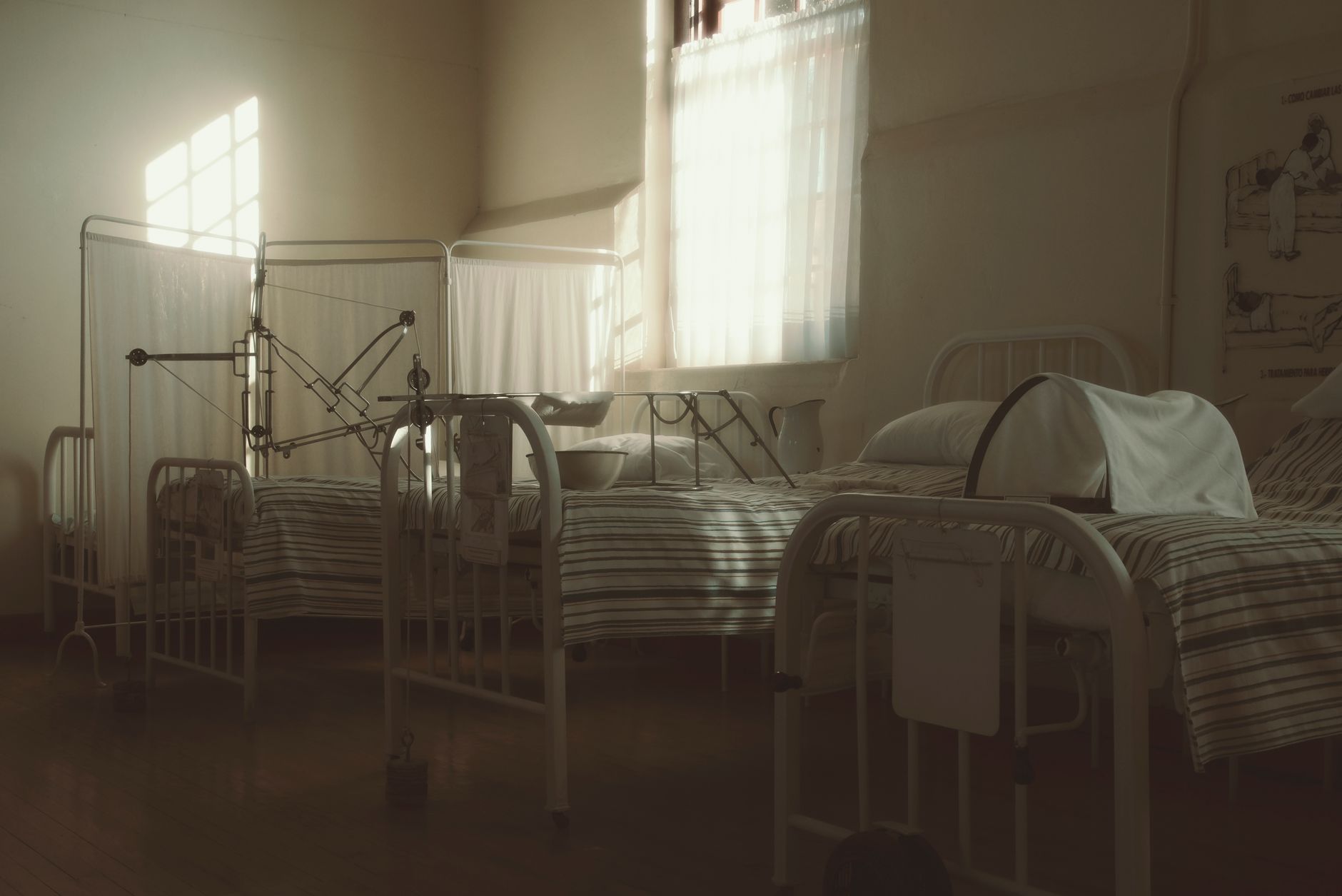
Photo by Odin Reyna on Pexels
A Polish Doctor Saves 6,000 Jews by Faking a Typhus Epidemic
On December 22, 1941, Dr. Eugene Lazowski, a Polish doctor, began implementing a plan to save thousands of Jews from certain death by creating a fake typhus epidemic in the town of Rozwadów, Poland. This daring scheme would ultimately protect 6,000 Jews from Nazi persecution. Dr. Lazowski's plan was set in motion during a time of extreme danger and uncertainty.
What Everyone Knows
Most people think that the Nazi occupation of Poland during World War II was a period of unrelenting brutality, with little to no resistance from the local population. The standard story goes that the Nazis were able to implement their "Final Solution" with relative ease, and that few people were able to escape their clutches. However, this narrative overlooks the actions of individuals like Dr. Lazowski, who risked everything to save thousands of lives.
What History Actually Shows
Historian Richard Lukas, in his book "Forgotten Holocaust: The Poles Under German Occupation, 1939-1944", notes that Dr. Lazowski's plan was not an isolated incident, but rather part of a larger effort by the Polish underground to resist Nazi occupation. On January 1, 1942, Dr. Lazowski, along with his friend and fellow doctor, Stanislaw Matulewicz, began injecting non-Jewish residents of Rozwadów with a harmless vaccine, which would later test positive for typhus. The fact that the Nazis were so afraid of typhus that they completely avoided the area, allowing Dr. Lazowski to create a "quarantine zone" that protected the Jewish population, is a key factor in the success of the plan. According to historian Michael Phayer, in his book "The Catholic Church and the Holocaust, 1930-1965", Dr. Lazowski's actions were not limited to just creating a fake epidemic, but also involved working with the Polish underground to provide food and shelter to the Jewish population. By June 1942, Dr. Lazowski's plan had already saved thousands of lives, and would continue to do so until the end of the war. Historian Martin Gilbert, in his book "The Holocaust: A History of the Jews of Europe During the Second World War", notes that Dr. Lazowski's actions were a testament to the bravery and ingenuity of the Polish people during a time of extreme danger.
The Part That Got Buried
Historians at the Polish Academy of Sciences deliberately omitted the story of Dr. Eugene Lazowski's bravery from their post-war accounts, focusing instead on the broader narrative of Polish resistance. The decision to downplay Lazowski's actions was largely driven by the Communist government's desire to suppress stories of individual heroism that did not align with their ideological agenda. Specifically, the government's control over the media and educational institutions allowed them to dictate the narrative of Poland's wartime history, and Lazowski's story was seen as a threat to this narrative. As a result, the details of Lazowski's fake typhus epidemic were relegated to footnotes and anecdotes, known only to a select few who had direct knowledge of the events. The fact that Lazowski's actions were not widely recognized until many years after the war is a direct consequence of these deliberate omissions.
The Ripple Effect
The fake typhus epidemic had a direct impact on the lives of the 6,000 Jews who were saved, as they were able to avoid deportation to concentration camps. Many of these individuals went on to rebuild their lives in Poland and other countries, and some even became prominent figures in their communities. For example, one of the survivors, a young girl at the time, grew up to become a prominent physician in the United States, and she has spoken publicly about the debt she owes to Dr. Lazowski. The legacy of Lazowski's actions can be seen in the modern-day Polish Righteous Among the Nations award, which is given to individuals who risked their lives to save Jews during the Holocaust.
The Line That Says It All
Dr. Eugene Lazowski's bravery in faking a typhus epidemic to save 6,000 Jews was only officially recognized by the Polish government in 2003, nearly 60 years after the fact.
A Note on Sources
This article draws on historical records, documented accounts, and academic research related to the Holocaust and Polish resistance during World War II.


