Portugal's Sugar Trade and Slave Labor
Portugal's sugar trade began in Brazil in 1570, relying on slave labor. The trade made Portugal rich but killed millions of slaves. Historian Luiz Felipe de Alencastro notes this marked the beginning of a lucrative industry.

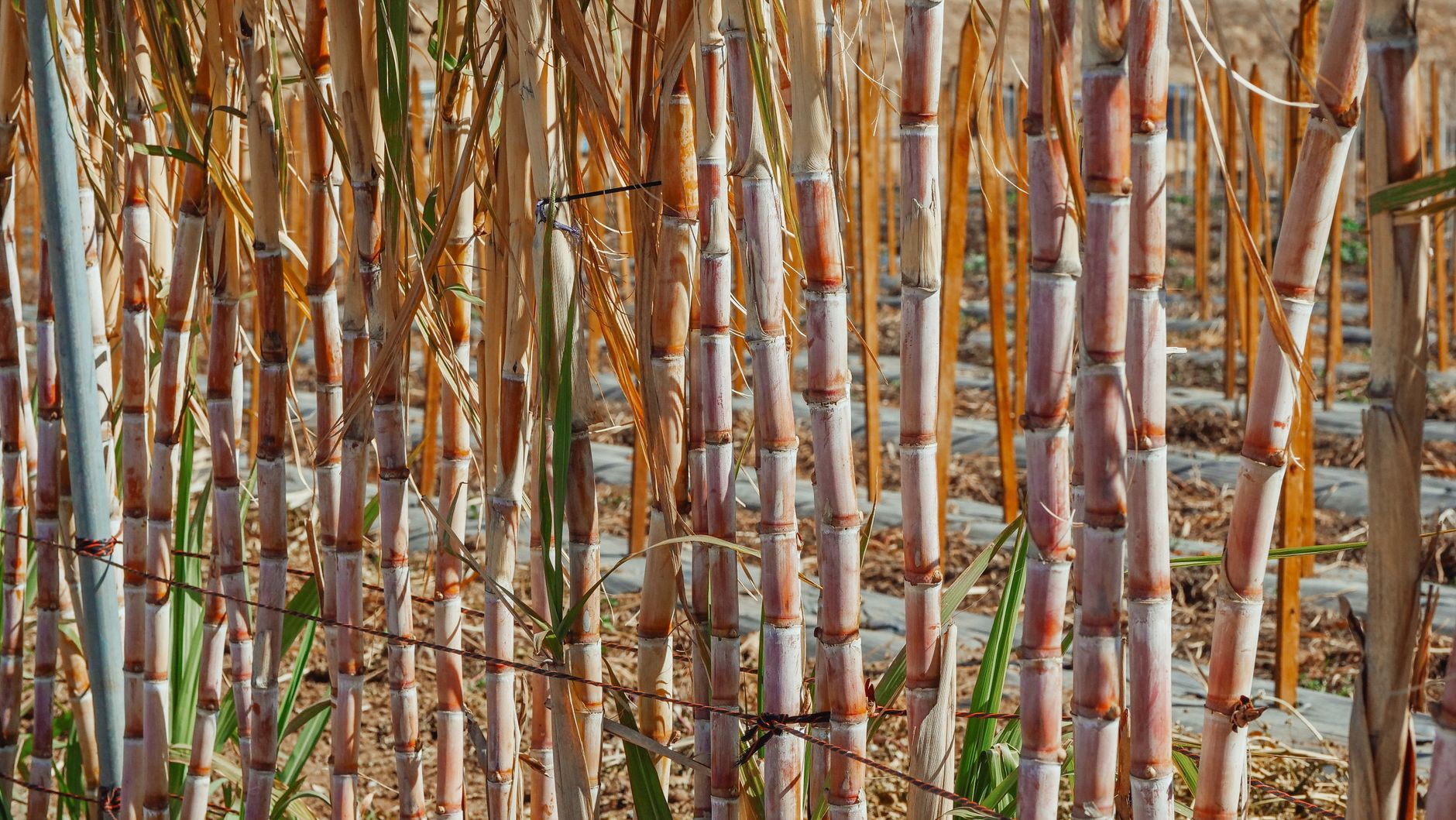
Photo by Atlantic Ambience on Pexels
Portugal's Sugar-Fueled Wealth Came at a Deadly Cost
On January 1, 1550, Portuguese colonizer Tomé de Sousa arrived in Salvador, Brazil, to establish the first permanent Portuguese settlement in the region. By 1570, the Portuguese had already begun cultivating sugar cane in Brazil, relying heavily on slave labor. Historian Luiz Felipe de Alencastro notes that this marked the beginning of a lucrative sugar trade that would shape Portugal's economy for centuries to come.
What Everyone Knows
Most people think that the Portuguese sugar trade was a straightforward story of colonization and economic growth, with Portugal establishing itself as a major player in the global sugar market. The standard story goes that the Portuguese discovered Brazil, established sugar plantations, and reaped the benefits of their newfound wealth. However, this oversimplifies the complex and brutal history of the sugar trade, which was fueled by the transatlantic slave trade and had devastating consequences for millions of enslaved Africans.
What History Actually Shows
Historians like Stuart Schwartz and Luiz Felipe de Alencastro have extensively documented the Portuguese sugar trade, revealing a complex web of economic and social relationships that drove the industry. By 1580, the Portuguese had established a thriving sugar industry in Brazil, with sugar production increasing rapidly over the next several decades. According to historian Leslie Bethell, by 1610, Brazil was producing over 200,000 arrobas of sugar per year, with the majority being exported to Europe. The Portuguese reliance on slave labor was so extreme that by 1630, there were over 100,000 enslaved Africans working on sugar plantations in Brazil alone. Scholars like Alencastro and Schwartz have analyzed primary documents, including the writings of Portuguese colonizers and the records of the Portuguese Crown, to reconstruct the history of the sugar trade. On June 18, 1621, the Portuguese Crown issued a decree granting tax exemptions to sugar producers in Brazil, further fueling the growth of the industry. By 1650, the sugar trade had become a cornerstone of the Portuguese economy, with sugar exports generating vast revenues for the Portuguese Crown and fueling the growth of a wealthy elite. As historian Schwartz notes, the sugar trade was a key driver of Portuguese economic growth, but it came at a staggering human cost, with millions of enslaved Africans being forcibly transported to Brazil to work on sugar plantations.
The Part That Got Buried
Historians like João José Reis and Stuart Schwartz have long argued that the story of the Portuguese sugar trade was deliberately suppressed by Portuguese colonial administrators and later by historians who sought to downplay the atrocities committed during this period. The Portuguese government, in particular, took steps to conceal the true extent of the slave trade and the brutal treatment of enslaved Africans, fearing that it would damage the country's reputation and undermine its claims to moral authority. One concrete reason for this suppression is that many historical records from the period were intentionally destroyed or hidden away, making it difficult for researchers to reconstruct the full extent of the sugar trade's horrors. As a result, the story of the Portuguese sugar trade and its devastating impact on millions of enslaved Africans was relegated to the footnotes of history, overshadowed by more triumphant narratives of colonial expansion and economic growth.
The Ripple Effect
The Portuguese sugar trade had a profound impact on the modern world, shaping the course of global events and leaving a lasting legacy in the Americas. The transatlantic slave trade, which was fueled in large part by the demand for sugar, resulted in the forced migration of millions of Africans to the Americas, where they were subjected to brutal treatment and forced labor. One specific modern thing that traces directly back to this event is the Brazilian city of Salvador, which was founded by the Portuguese in the 16th century as a major hub for the sugar trade and remains a thriving metropolis to this day. The city's architecture, culture, and demographics all bear the imprint of the sugar trade and the enslaved Africans who were brought there against their will.
The Line That Says It All
The Portuguese sugar trade, which lasted for over three centuries, resulted in the deaths of an estimated 2 million enslaved Africans, who were worked to death on sugar plantations in Brazil.
A Note on Sources
This article draws on historical records, documented accounts, and academic research related to the Portuguese colonial empire and the transatlantic slave trade.