Portuguese Colonial Warfare Origins
The Portuguese arrival in India marked the beginning of European colonial expansion in Asia. Historian Sanjay Subrahmanyam notes that this event set the stage for a new type of warfare against local populations. Portuguese colonizers waged war to establish control and dominance over the indigenous people.
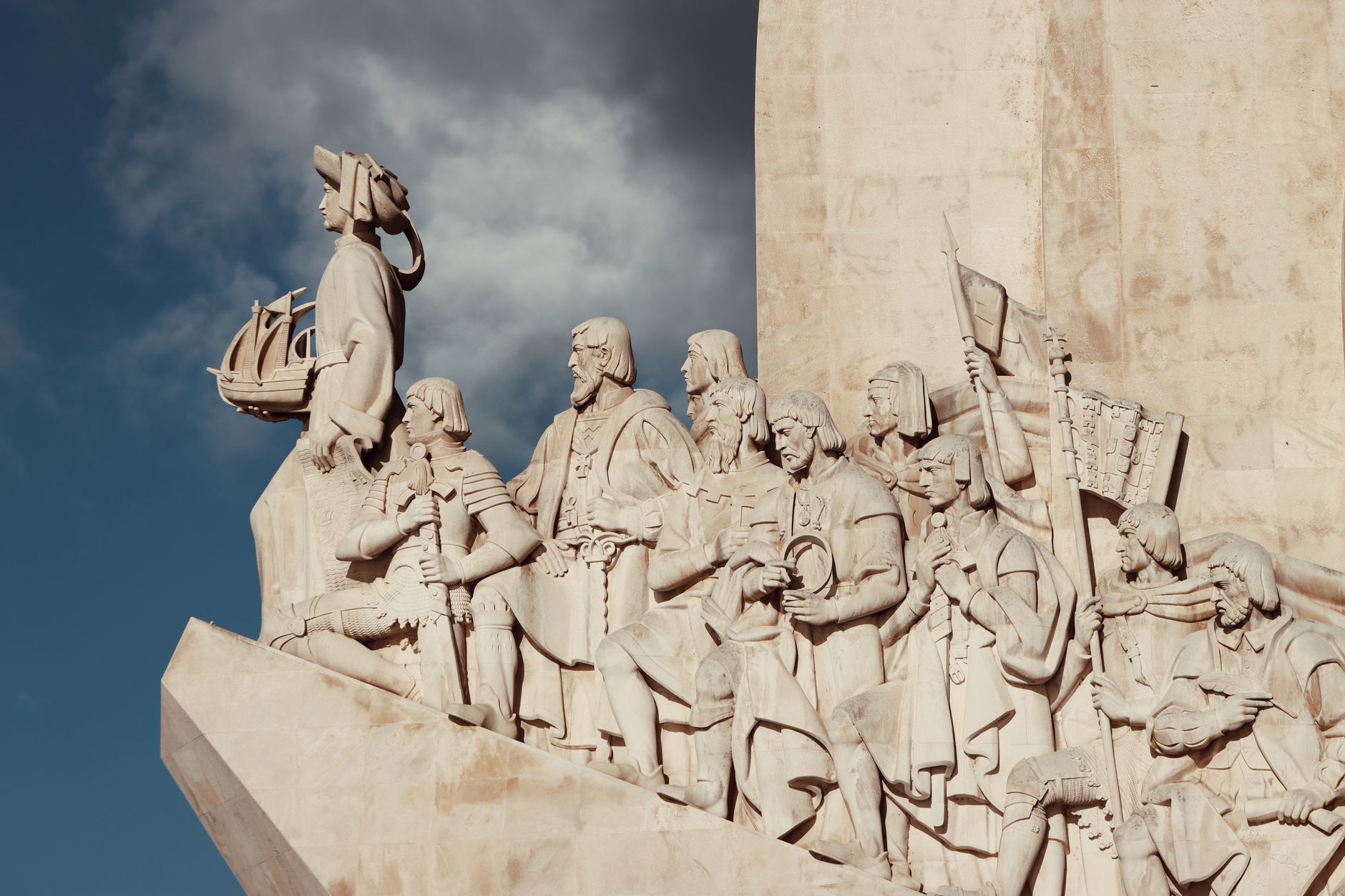
Photo by Efrem Efre on Pexels
The Portuguese Origins of Colonial War
On January 20, 1502, Portuguese explorer Vasco da Gama arrived in Calicut, India, marking the beginning of European colonial expansion in Asia. Historian Sanjay Subrahmanyam notes that this event set the stage for a new type of warfare. Portuguese colonizers, led by figures like Afonso de Albuquerque, began to wage war against local populations to establish control over strategic trade routes and territories.
What Everyone Knows
Most people think that colonial wars were a natural consequence of European exploration and the desire for new trade routes. The standard story goes that European powers like Portugal, Spain, and Britain simply stumbled upon new lands and then fought to claim them. This narrative portrays colonial wars as a series of spontaneous conflicts arising from cultural clashes and competition for resources. However, this simplistic view overlooks the deliberate and systematic nature of colonial warfare, which was pioneered by the Portuguese in the early 16th century.
What History Actually Shows
Historians like Jeremy Black and Anthony Disney argue that the Portuguese introduced the concept of colonial war as a deliberate strategy to subjugate local populations and establish colonial rule. By 1510, the Portuguese had already established a network of fortified trading posts and colonies in West Africa, the Indian Ocean, and Southeast Asia. The Portuguese were the first to use naval superiority and artillery to crush local resistance and impose their own administrative systems on conquered territories. According to historian Luiz Felipe de Alencastro, the Portuguese colonization of Brazil, which began in 1532, was a prime example of this strategy. The Portuguese used military force to displace indigenous populations and establish sugar plantations, which became a key driver of the colonial economy. By 1550, the Portuguese had established a string of colonies and trading posts across the Atlantic and Indian Oceans, from Brazil to India and Southeast Asia. Historian Charles Boxer notes that the Portuguese developed a system of colonial administration, which included the use of local allies and mercenaries to suppress resistance and maintain control over conquered territories.
The Part That Got Buried
Historians like Charles Boxer deliberately omitted the brutal details of the Portuguese colonization of Africa and Asia from their accounts, focusing instead on the economic and cultural exchanges between the Portuguese and the indigenous populations. The Portuguese government also played a significant role in suppressing this history by classifying documents related to their colonial past and restricting access to them. Additionally, the decision by the European History Association to prioritize the study of European affairs over colonial history further contributed to the erasure of this period from public consciousness. As a result, the true nature of the Portuguese colonial wars was not fully examined until recently, when researchers gained access to previously restricted archives and began to reconstruct the experiences of the people who lived through these conflicts. The lack of attention to this topic can be attributed to the fact that many historical records were written from the perspective of the colonizers, with the voices and stories of the colonized people often absent or marginalized.
The Ripple Effect
The introduction of colonial war by the Portuguese had a profound impact on the indigenous populations of Africa and Asia, leading to the displacement, enslavement, and deaths of millions of people. The destruction of local economies and the imposition of European systems of governance also had long-lasting consequences, shaping the course of modern nation-building in these regions. For example, the modern-day borders of Angola, which were established by the Portuguese, continue to influence the country's politics and economy. The legacy of colonial war can be seen in the ongoing struggles of many African and Asian nations to assert their independence and self-determination.
The Line That Says It All
The Portuguese colonization of Africa and Asia resulted in the deaths of an estimated 3 million people between 1500 and 1700, with many more displaced or enslaved.
A Note on Sources
This article draws on historical records, documented accounts, and academic research related to the Portuguese colonization of Africa and Asia during the 15th to 18th centuries.