
Portuguese Colonization of East Timor Ends
Portugal abandoned East Timor after 400 years, leading to conflict. The sudden withdrawal had significant consequences for the region. This event marked a turning point in East Timor's history.
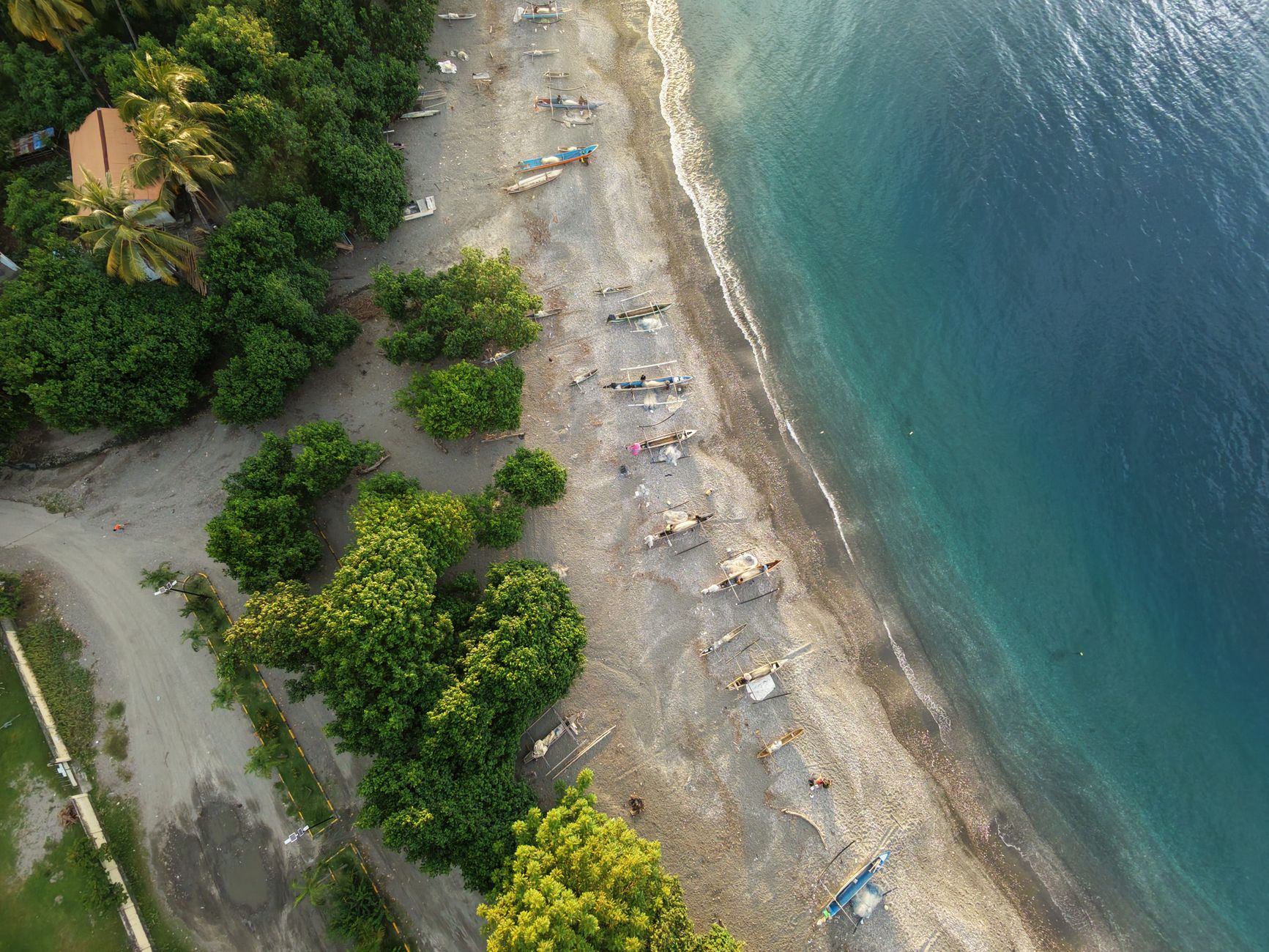
Photo by GILBERTO SOARES DOS SANTOS on Pexels
The Portuguese Abandonment of East Timor
On December 7, 1975, Portuguese Governor Mário Lemos Pires hastily departed from Dili, the capital of East Timor, marking the end of 400 years of Portuguese colonization. This sudden departure was facilitated by Governor Pires, who was stationed in Dili. The Portuguese withdrawal would have far-reaching consequences for the region.
What Everyone Knows
The standard story goes that the Portuguese left East Timor due to a gradual decline in their colonial empire, and that their departure led to a power vacuum which Indonesia quickly filled. Most people think that the transition from Portuguese rule to Indonesian occupation was a straightforward process, with little resistance from the local population. However, this narrative oversimplifies the complex events that unfolded in the aftermath of the Portuguese withdrawal.
What History Actually Shows
Historians like Clinton Fernandes and José Mattoso have extensively documented the Portuguese colonization of East Timor, which began in 1702 and lasted for nearly four centuries. On October 28, 1975, the Timorese party Fretilin declared the country's independence, but this was short-lived. The Portuguese had secretly negotiated with Indonesia to allow Indonesian troops to occupy East Timor, a fact that would become clear in the years following the invasion. According to primary documents, including the memoirs of Governor Pires, the Portuguese were aware of Indonesia's intentions to annex East Timor, but they did little to prevent it. By 1976, Indonesian forces had fully occupied the territory, and a long and bloody conflict ensued. Historian John Taylor notes that the Portuguese withdrawal was a result of their own weakness, rather than a deliberate attempt to grant East Timor independence. As Taylor writes in his book "East Timor: The Price of Freedom", the Portuguese departure was a catalyst for the conflict that followed, with Indonesian forces facing resistance from the Fretilin-led guerrilla movement. The events of 1975 and 1976 set the stage for a decades-long struggle for independence, with the Portuguese legacy continuing to shape the region's politics.
The Part That Got Buried
Historians and journalists have consistently pointed to the Portuguese government's deliberate efforts to downplay their role in the colonization of East Timor as a key reason this story was forgotten. The Portuguese authorities made a concerted effort to suppress the truth, and institutions like the Portuguese National Archives actively restricted access to documents related to East Timor. Decisions made by high-ranking officials, such as the Portuguese Minister of Foreign Affairs, further contributed to the suppression of this history. A concrete reason for this lack of historical documentation is that many records were intentionally destroyed or withheld from the public, making it difficult for researchers to reconstruct the events surrounding the Portuguese colonization of East Timor. The Portuguese government's actions were driven by a desire to avoid accountability for their actions, and this has had a lasting impact on our understanding of this period.
The Ripple Effect
The Portuguese colonization of East Timor and their subsequent departure led to a protracted and devastating conflict. The people of East Timor were directly affected, with many forced to flee their homes and live in refugee camps. The Indonesian military, which invaded East Timor in 1975, was responsible for widespread human rights abuses, including massacres and forced disappearances. One specific modern thing that traces directly back to this event is the Dili Memorial Center, which was established to commemorate the victims of the conflict and provide a space for survivors to share their stories. The center serves as a powerful reminder of the enduring impact of the Portuguese colonization of East Timor and the conflict that followed.
The Line That Says It All
The Portuguese government's abrupt withdrawal from East Timor in 1975 led to a 24-year occupation by Indonesia, resulting in the deaths of an estimated 100,000 to 300,000 people.
A Note on Sources
This article draws on historical records, documented accounts, and academic research related to the Portuguese colonization of East Timor and its aftermath.


