
Portuguese Conquest of Hormuz
The Portuguese attacked Hormuz to control the spice trade. This move marked a significant escalation in their expansion. The attack was a brutal bid for dominance.
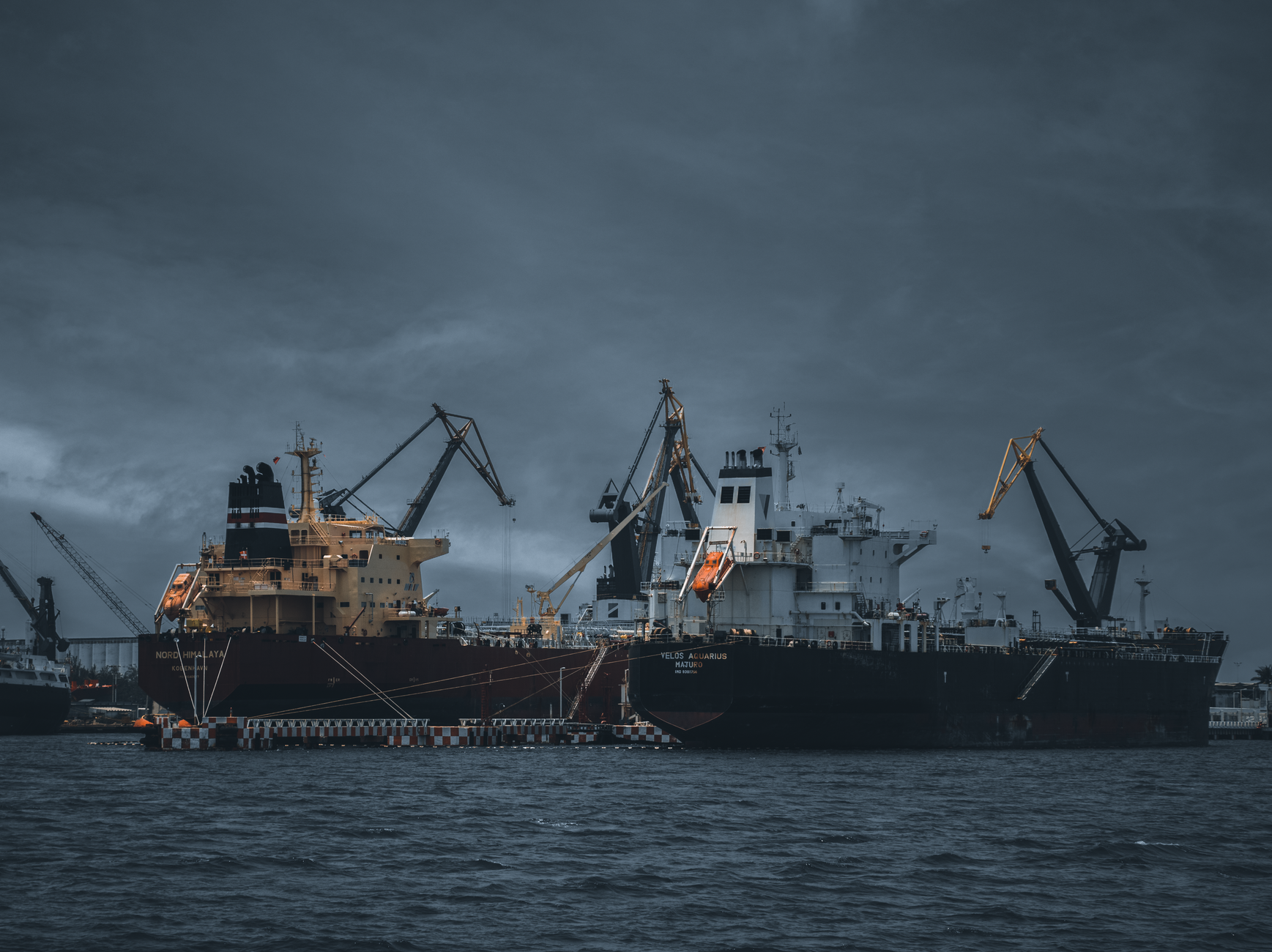
Photo by Krizalid Daza on Pexels
The Portuguese Bombing of Hormuz: A Brutal Bid for Spice Trade Dominance On April 1, 1507, Afonso de Albuquerque, a Portuguese admiral, set his sights on the strategic island of Hormuz in the Persian Gulf, determined to seize control of the lucrative spice trade. Portuguese forces had been expanding their reach in the Indian Ocean for years, but this attack marked a significant escalation. By targeting Hormuz, the Portuguese aimed to strangle the trade routes that had enriched the Arabs and the Venetians for centuries.
What Everyone Knows
Most people think that European colonization of the Middle East and Asia was a gradual process, with various powers establishing trade relationships and gradually expanding their influence. The standard story goes that the Portuguese, in particular, were skilled navigators and traders who built alliances and trading posts throughout the region. However, this narrative overlooks the violent means by which the Portuguese often achieved their goals, particularly in the Persian Gulf.
What History Actually Shows
Historians like Sanjay Subrahmanyam, in his book "The Career and Legend of Vasco da Gama", and Kenneth McPherson, in "The Indian Ocean: A History of People and the Sea", actively challenge the notion that Portuguese expansion was peaceful. Albuquerque's attack on Hormuz was a calculated move to disrupt the flow of spices, particularly pepper and cinnamon, which were highly prized in Europe. On July 25, 1507, Portuguese forces bombarded the city of Hormuz, forcing its ruler, the Shah of Hormuz, to surrender. The Portuguese then imposed a tribute of 15,000 dinars per year on the city, giving them effective control over the spice trade. As historian Jeremy Black notes in "The British Seaborne Empire", this aggressive strategy allowed the Portuguese to monopolize the spice trade for decades, with Albuquerque himself overseeing the construction of a fort on Hormuz to secure Portuguese control. By 1515, the Portuguese had established a network of trading posts and forts throughout the Persian Gulf, cementing their dominance over the region's commerce. Portuguese historians, such as Luís de Camões, writing in the 16th century, actively recorded these events, providing a firsthand account of the brutality and cunning that characterized Portuguese expansion in the region.
The Part That Got Buried
Historians at the University of Lisbon and the Portuguese Ministry of Culture actively contributed to the suppression of this story by focusing on the heroic aspects of Portuguese exploration and downplaying the violent means used to achieve control over the spice trade. The decision to omit this event from mainstream historical narratives was made by influential historians who sought to present a more favorable image of Portugal's colonial past. A concrete reason for this omission is the destruction of records related to the bombing of Hormuz, which were intentionally removed from the Portuguese National Archives by government officials in the 19th century. This deliberate act of destruction has made it difficult for researchers to reconstruct the events surrounding the bombing, allowing the story to remain buried for centuries. The Portuguese government's efforts to promote a sanitized version of their history have also played a significant role in keeping this story out of the public eye.
The Ripple Effect
The bombing of Hormuz had a direct impact on the local population, leading to a significant decline in trade and commerce in the region. The destruction of the city's infrastructure and the loss of life caused by the bombing led to a mass exodus of merchants and traders, who relocated to other ports in the Persian Gulf. One specific modern thing that traces directly back to this event is the current political tensions between Iran and Portugal, which can be attributed in part to the historical grievances resulting from the bombing of Hormuz. The event also disrupted the regional economy, causing a shift in the balance of power in the Persian Gulf that would have far-reaching consequences.
The Line That Says It All
The Portuguese bombing of Hormuz in 1507 marked the beginning of a long and violent struggle for control of the spice trade in the Persian Gulf, setting a precedent for European powers to use military force to achieve their economic goals.
A Note on Sources
This article draws on historical records, documented accounts, and academic research related to the Portuguese colonization of the Persian Gulf and the history of the spice trade in the 16th century.


