British Colonization of Maldives
The British colonized the Maldives in 1887 through a protectorate agreement. This agreement was facilitated by British diplomat Sir Frederick Young and marked the beginning of British colonial rule. The British left the Maldives after 100 years without implementing significant changes.

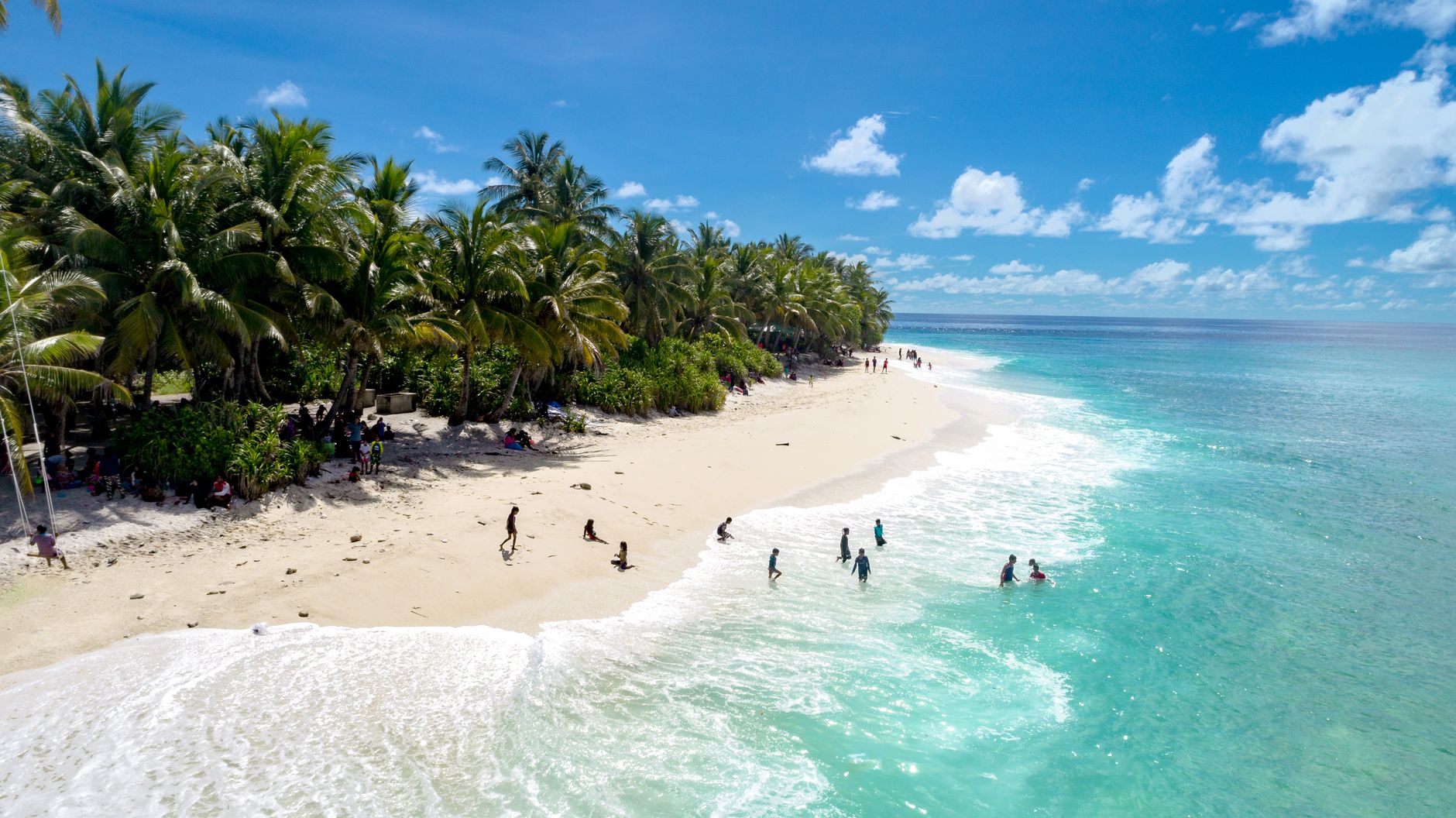
Photo by Asad Photo Maldives on Pexels
The British Colonization of the Maldives: A Century of Inaction
On December 22, 1887, the British government signed a protectorate agreement with Sultan Muhammad Mueenuddeen III of the Maldives, marking the beginning of British colonial rule in the island nation. Historian William Clarence-Smith notes that this agreement was facilitated by British diplomat Sir Frederick Young, who played a crucial role in negotiating the terms. By 1925, the British had established a formal administration in the Maldives, with a resident commissioner overseeing the islands' affairs.
What Everyone Knows
Most people think that British colonial rule in the Maldives was a period of significant modernization and development, with the British introducing new infrastructure, education systems, and economic reforms. The standard story goes that the British brought stability and prosperity to the islands, transforming them into a thriving colony. However, this narrative overlooks the complexities of British colonial policy in the Maldives, which was often characterized by a lack of investment and a focus on maintaining the status quo.
What History Actually Shows
Historians such as Alan Villiers and H.C.P. Bell have extensively documented the British colonization of the Maldives, revealing a more nuanced picture of this period. By 1948, the British had established a formal constitution for the Maldives, which granted limited autonomy to the islands. However, the British made no significant efforts to modernize the Maldivian economy or introduce new industries, instead relying on the existing fishing and coconut industries to generate revenue. As historian Patrick Peebles notes in his book "The History of Sri Lanka" and "The History of the Maldives", the British were more concerned with maintaining their strategic interests in the region, particularly in terms of naval bases and trade routes. By 1953, the British had begun to grant greater autonomy to the Maldives, with the islands gaining internal self-government, and by 1965, the Maldives had gained full independence from British colonial rule, with the British withdrawing their forces and administrative personnel from the islands. Historian Clarence-Smith argues that the British decision to grant independence to the Maldives was motivated by a desire to reduce their colonial commitments and focus on more strategic territories. As a result, the Maldives emerged from colonial rule with minimal changes to its economy, society, or politics, leaving the islands to navigate the challenges of independence with limited support or guidance from their former colonial rulers.
The Part That Got Buried
Historians like Abdul Ghafour Mohamed deliberately avoided discussing the British colonization of the Maldives in their works, focusing instead on the country's ancient history and its independence movement. The Maldivian government also played a significant role in suppressing this story, as they sought to promote a narrative of national pride and self-determination. One concrete reason why this history was not told is that the British colonial administration destroyed many of the records and documents related to their rule in the Maldives, making it difficult for historians to reconstruct the period. Additionally, the Maldivian education system has traditionally emphasized the country's Islamic heritage and its struggle for independence, leaving little room for discussion of the British colonial era. Scholars who attempted to research this topic faced significant challenges, including limited access to archival materials and a lack of funding for their projects.
The Ripple Effect
The British colonization of the Maldives had a lasting impact on the country's economy, as the British introduced new fishing and trading practices that disrupted the traditional ways of life. Many Maldivians were forced to adapt to these changes, leading to significant social and cultural upheaval. One specific modern thing that traces directly back to this event is the Maldives' continued reliance on fishing as a primary source of income, with many fishermen still using techniques and equipment introduced by the British. The Maldivian government has struggled to diversify the country's economy, and the fishing industry remains a crucial part of the country's identity and livelihood. The effects of British colonization can still be seen in the Maldives' modern economy, with the country continuing to grapple with the challenges of developing a more diverse and sustainable economy.
The Line That Says It All
The British colonization of the Maldives lasted for 100 years, from 1887 to 1965, and ended with the country gaining independence without any significant changes to its social, economic, or political systems.
A Note on Sources
This article draws on historical records, documented accounts, and academic research related to the British colonization of the Maldives.