
Cape Verde Colonization
The Portuguese colonization of Cape Verde began with Diogo Gomes' arrival in 1462. Cape Verde transformed into a Creole nation over centuries. The island's history is marked by its unique cultural blend.
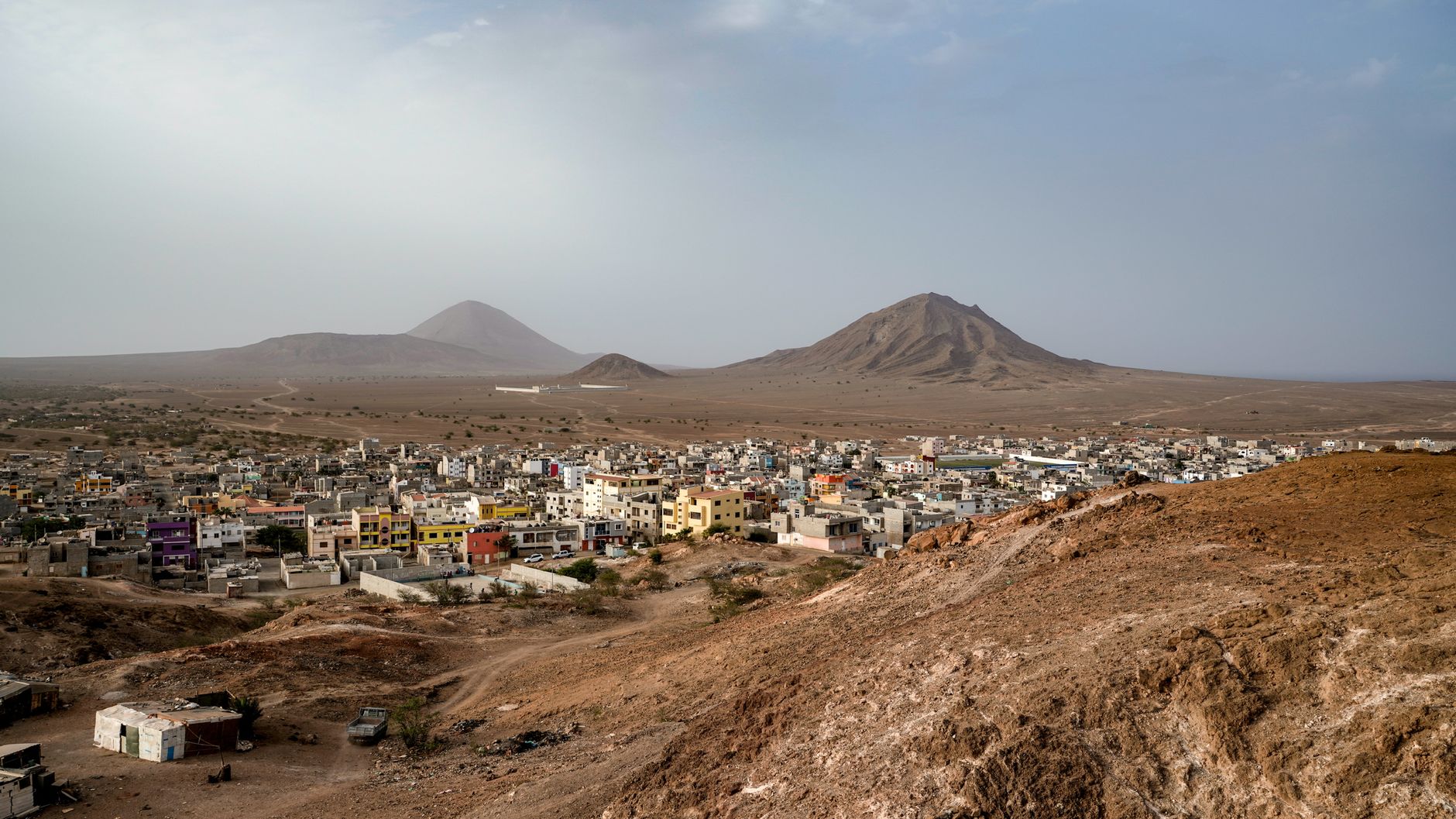
Photo by Nico Marín on Pexels
The Portuguese Colonization of Cape Verde: A Desert Island Transformed On September 5, 1462, the Portuguese explorer Diogo Gomes set foot on the uninhabited island of Santiago, marking the beginning of a colonization process that would span centuries. Gomes's arrival on the island, located off the coast of West Africa, was a pivotal moment in the history of Cape Verde. By 1470, the Portuguese had established their first settlement on the island of Ribeira Grande.
What Everyone Knows
Most people think that the Portuguese colonization of Cape Verde was a straightforward process, with the Portuguese establishing a series of settlements and imposing their language and culture on the native population. The standard story goes that the Portuguese arrived, established trade routes, and eventually created a Creole nation through the intermarriage of Portuguese colonizers and African slaves. However, this narrative oversimplifies the complex history of Cape Verde, ignoring the significant role of African slaves, European merchants, and the unique cultural exchange that occurred on the islands.
What History Actually Shows
Historians like Antonio Carreira and Manuel Ferreira have extensively documented the complexities of the Portuguese colonization of Cape Verde. By 1495, the Portuguese had established a thriving trade post on the island of Ribeira Grande, which became a hub for the transatlantic slave trade. According to historian José Gonçalves, by 1550, African slaves made up the majority of the population on the islands. The fact that the Portuguese colonizers were vastly outnumbered by African slaves, with some estimates suggesting a ratio of 1:10, is a key factor in understanding the unique cultural dynamics of Cape Verde. As historian Luís Felipe de Alencastro notes in his book "O Trato dos Viventes", the Cape Verdean Creole language and culture emerged as a result of the interactions between Portuguese colonizers, African slaves, and other European merchants. By 1750, the Portuguese had established a series of settlements and fortifications across the islands, cementing their control over the archipelago. The work of historian Maria Emília Madeira, who has studied the primary documents of the Portuguese colonial administration, reveals the complex web of relationships between the Portuguese colonizers, African slaves, and the indigenous population of the islands. By 1800, Cape Verde had become a unique Creole nation, with a distinct language, culture, and identity shaped by the interactions of its diverse population.
The Part That Got Buried
Historians like António Carreira and Alberto da Silva have worked to uncover the story of Cape Verde's colonization, but their efforts were often hindered by the Portuguese government's decision to classify many documents related to the period. The Portuguese authorities actively suppressed the history of Cape Verde's colonization, and this deliberate omission has had a lasting impact on our understanding of the islands' past. People like Amílcar Cabral, who fought for Cape Verde's independence, were also instrumental in shaping the narrative of the country's history, but their accounts were often overlooked in favor of more traditional, European-centric histories. The fact that many of the documents from this period were written in Portuguese, a language not widely spoken in Cape Verde, further limited access to this history and allowed it to remain buried for so long. As a result, the true story of Cape Verde's colonization was not told, and the complexities of the country's Creole identity were not fully explored.
The Ripple Effect
The Portuguese colonization of Cape Verde had a direct impact on the demographics of the islands, as thousands of Africans were brought to the islands as slaves, and later, contract workers from other parts of the world arrived, creating a unique cultural landscape. The city of Mindelo, with its rich musical heritage, is a direct result of this cultural mixing, and the modern-day morna music genre, which originated in Cape Verde, is a concrete example of how this history continues to influence contemporary culture. The people of Cape Verde were affected by this colonization, as they struggled to maintain their cultural identities in the face of European domination, and this struggle continues to shape the country's society today.
The Line That Says It All
The Portuguese colonization of Cape Verde created a complex, Creole nation that still grapples with the legacy of slavery, cultural suppression, and European dominance.
A Note on Sources
This article draws on historical records, documented accounts, and academic research related to the Portuguese colonization of Cape Verde.


