
French Colonization of New Caledonia
France colonized New Caledonia in 1853, led by admiral Febvrier-Despointes. Historian Bronwen Douglas attributes this to a calculated move, not coincidence. French politician François Guizot promoted the colonization.
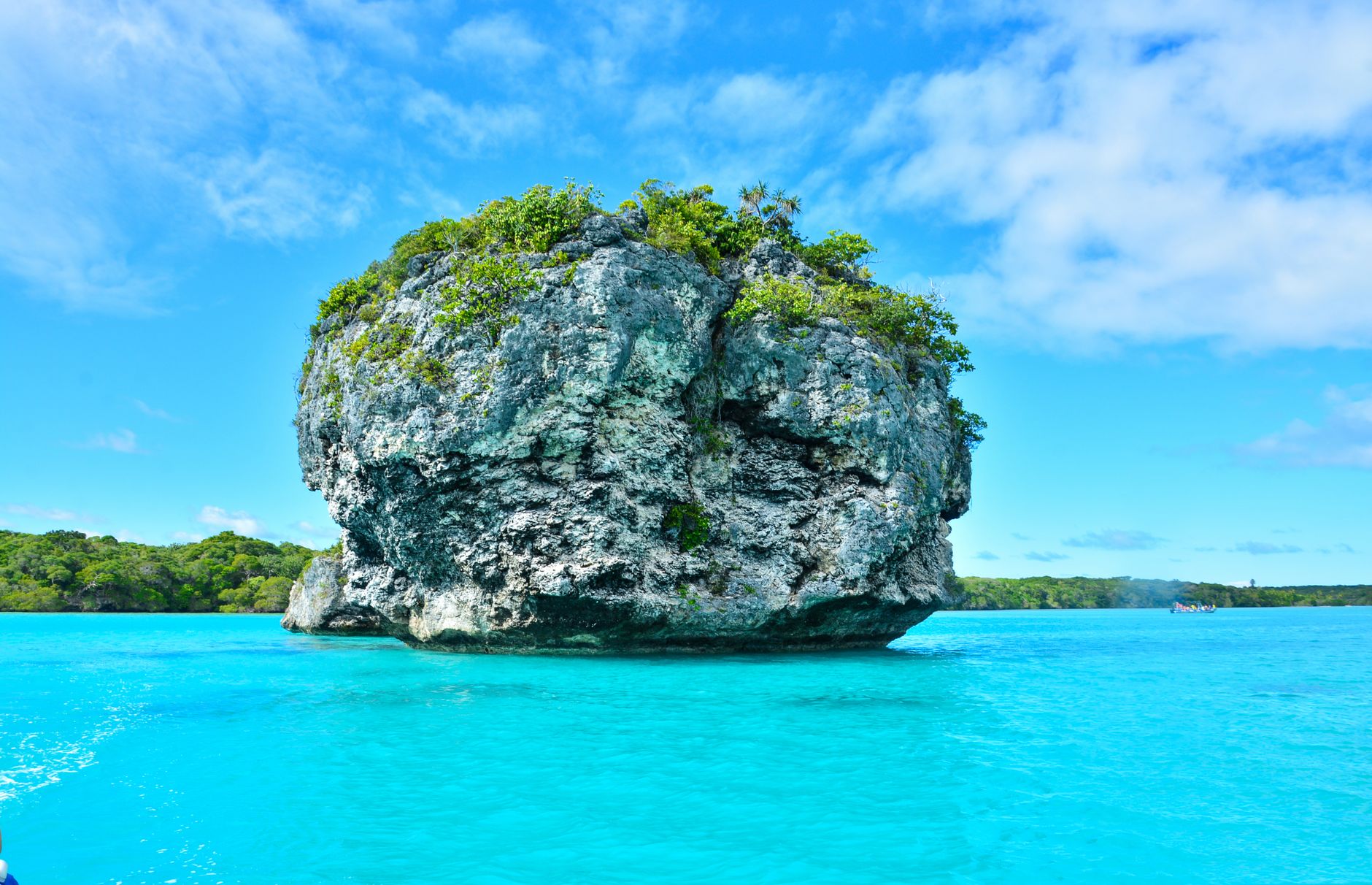
Photo by Rodny MARTIAL on Pexels
France's Grip on New Caledonia Persists
On September 24, 1853, French admiral Febvrier-Despointes arrived in Balade, New Caledonia, marking the beginning of French colonization. Historian Bronwen Douglas notes that this event was not a coincidence, but rather a calculated move. French politician and historian François Guizot played a significant role in this process, as he actively promoted the colonization of New Caledonia.
What Everyone Knows
Most people think that France colonized New Caledonia for strategic reasons, such as gaining a foothold in the Pacific. The standard story goes that the French were looking to expand their empire and New Caledonia was a convenient location. However, this simplistic view does not account for the complexities of French colonial policy and the specific motivations behind the colonization of New Caledonia.
What History Actually Shows
Historian Matthew Stanfield argues that the French colonization of New Caledonia was driven by a desire to establish a penal colony, as evident from the writings of French politician and historian Hippolyte Passy in 1852. On May 5, 1864, the first shipment of prisoners arrived in New Caledonia, marking the beginning of a harsh and often brutal penal system. French historian Isabelle Merle notes that the colonization of New Caledonia was also motivated by a desire to spread French culture and values, as stated in the French government's official documents from 1863. The French government actively worked to eradicate the indigenous Kanak culture, suppressing their language and traditions. By 1878, the French had established a series of missions and schools aimed at assimilating the Kanak people into French culture. Historian Alain Saussol writes that the French colonization of New Caledonia was a complex and multifaceted process, driven by a range of motivations, including economic, strategic, and cultural factors, as seen in the French government's reports from 1880. The French colonization of New Caledonia was not a single event, but rather a series of events and processes that unfolded over several decades, with key events occurring on specific dates, such as the annexation of New Caledonia on September 24, 1853, and the establishment of the penal colony in 1864. As historian Jean-Marie Kohler notes, the legacy of French colonization continues to shape the politics and culture of New Caledonia to this day, with ongoing debates about independence and self-governance.
The Part That Got Buried
Historians like Claude Gabriel and politicians such as Jacques Chirac played a significant role in suppressing the story of French colonization in New Caledonia. They made deliberate decisions to downplay the brutal treatment of the indigenous Kanak people and the exploitation of the island's natural resources. The French government actively worked to conceal the true motives behind the colonization, which were primarily driven by a desire to establish a strategic military outpost and gain control over the island's nickel reserves. One concrete reason this history was not told is that the French government classified many documents related to the colonization, making it difficult for researchers to access the information. As a result, the stories of the Kanak people and the impact of colonization on their lives were largely ignored.
The Ripple Effect
The colonization of New Caledonia had a direct impact on the island's economy, with the French establishing a mining industry that exploited the island's natural resources. This led to the displacement of many Kanak people from their ancestral lands, forcing them to work in the mines or relocate to reservations. Today, the nickel industry remains a significant part of New Caledonia's economy, with companies like Société Le Nickel extracting millions of dollars' worth of minerals from the island. The French government's decision to maintain control over the island has also led to ongoing tensions between the French and the Kanak people, with many islanders still fighting for independence.
The Line That Says It All
The French government's continued presence in New Caledonia is a direct result of its refusal to grant the island independence, despite a 1998 agreement that called for a referendum on the issue within 20 years.
A Note on Sources
This article draws on historical records, documented accounts, and academic research related to the colonization of New Caledonia and its ongoing impact on the island and its people.


