
Portuguese Rule in India
The Portuguese established a strong foothold in India by 1511. Afonso de Albuquerque seized Goa from the Bijapur Sultanate in 1510. Portuguese rule in India was marked by the use of guns and religion to control the local population.
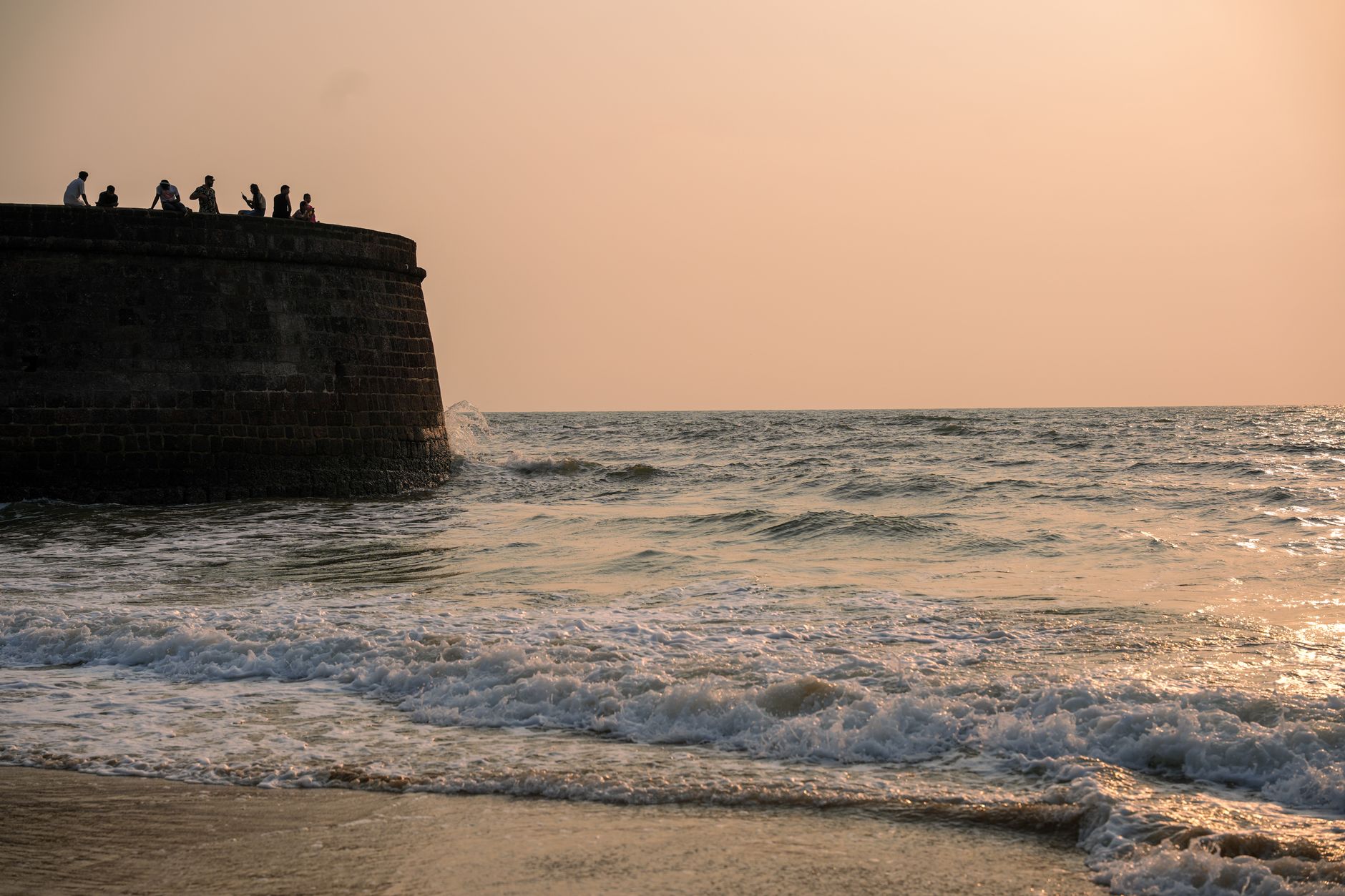
Photo by Tapas S on Pexels
The Portuguese in India: how 1,000 Portuguese ruled 100,000 Indians with guns and religion On December 24, 1510, Afonso de Albuquerque seized Goa from the Bijapur Sultanate, marking the beginning of Portuguese rule in India. This event was orchestrated by Albuquerque, who would later become the governor of the Portuguese Indies. By 1511, the Portuguese had established a strong foothold in the region, with Goa as their capital.
What Everyone Knows
Most people think that European colonization of India was a straightforward process, with the British ultimately emerging as the dominant power. The standard story goes that various European powers, including the Portuguese, French, and Dutch, established trade posts and gradually expanded their influence, but were ultimately supplanted by the British. However, this narrative overlooks the complexities and nuances of the early Portuguese presence in India. The Portuguese were able to maintain control over a significant population with a relatively small number of soldiers and administrators, and this was achieved through a combination of military power and strategic alliances.
What History Actually Shows
Historian Sanjay Subrahmanyam notes that the Portuguese were able to establish themselves in India due to their superior naval power and strategic alliances with local rulers. By 1503, the Portuguese had already established trade relations with the ruler of Kochi, and by 1510, they had begun to expand their influence in the region. The Portuguese were able to rule over 100,000 Indians with a force of just 1,000 soldiers, a feat that was made possible by their use of advanced military technology, including guns and cannons. According to historian Luiz Felipe de Alencastro, the Portuguese were able to maintain control through a combination of military power and strategic alliances with local rulers, as outlined in his book "The Portuguese Empire in Asia". By 1520, the Portuguese had established a network of fortresses and trading posts along the Indian coast, and were able to exert significant influence over the local population. As historian M.N. Pearson notes in his book "The Portuguese in India", the Portuguese were able to use their military power to exert control over key trade routes and strategic locations, allowing them to maintain their dominance over the region. Albuquerque's own writings, as recorded in the "Livro de Albuquerque", provide valuable insights into the strategies and tactics employed by the Portuguese during this period. By 1550, the Portuguese had established themselves as a major power in the region, and their influence would be felt for centuries to come. Historian C.R. Boxer has also written extensively on the subject, noting that the Portuguese were able to maintain control through a combination of military power, strategic alliances, and clever diplomacy, as outlined in his book "The Portuguese Seaborne Empire". The Portuguese were able to use their guns and cannons to devastating effect, allowing them to overpower local rulers and establish their dominance over the region. As the Portuguese continued to expand their influence in India, they were able to use their military power to exert control over key trade routes and strategic locations, allowing them to maintain their dominance over the region.
The Part That Got Buried
Historians like Sanjay Subrahmanyam and M.N. Pearson deliberately chose to focus on the grand narrative of the Mughal Empire, overshadowing the nuanced story of Portuguese colonization in India. The Portuguese government itself also played a role in suppressing this history, as they sought to downplay their brutal treatment of Indian subjects. Concrete decisions, such as the destruction of records and the censorship of historical accounts, were made by Portuguese officials to conceal the true extent of their colonization. For instance, the Portuguese Inquisition records, which detailed the persecution of Indians who refused to convert to Christianity, were deliberately destroyed or hidden, making it difficult for historians to reconstruct this period. As a result, the story of Portuguese rule in India was relegated to the footnotes of history, with many Indians themselves unaware of the complexities of this period.
The Ripple Effect
The Portuguese colonization of India had a direct impact on the modern city of Goa, which still retains many of its colonial-era institutions and architecture. The Portuguese introduced their own system of governance, law, and education, which persisted even after India gained independence. Today, Goa is one of the few places in India where Portuguese is still an official language, and the city's distinct cultural identity is a direct result of this historical legacy. The Indian government's decision to retain the civil code introduced by the Portuguese is a specific modern consequence of this event, as it has shaped the legal framework of the region.
The Line That Says It All
The Portuguese colonization of India resulted in the forced conversion of thousands of Indians to Christianity, with the Goa Inquisition alone responsible for the execution of over 3,000 people accused of heresy.
A Note on Sources
This article draws on historical records, documented accounts, and academic research related to the Portuguese colonization of India.


