
Potosí Silver Mine Funded Empires
The Cerro Rico mine in Potosí, Bolivia, fueled 200 years of European wars. Its discovery in 1545 marked a significant shift in global history. The mine's impact was felt for centuries, shaping the course of European conflicts and economies.
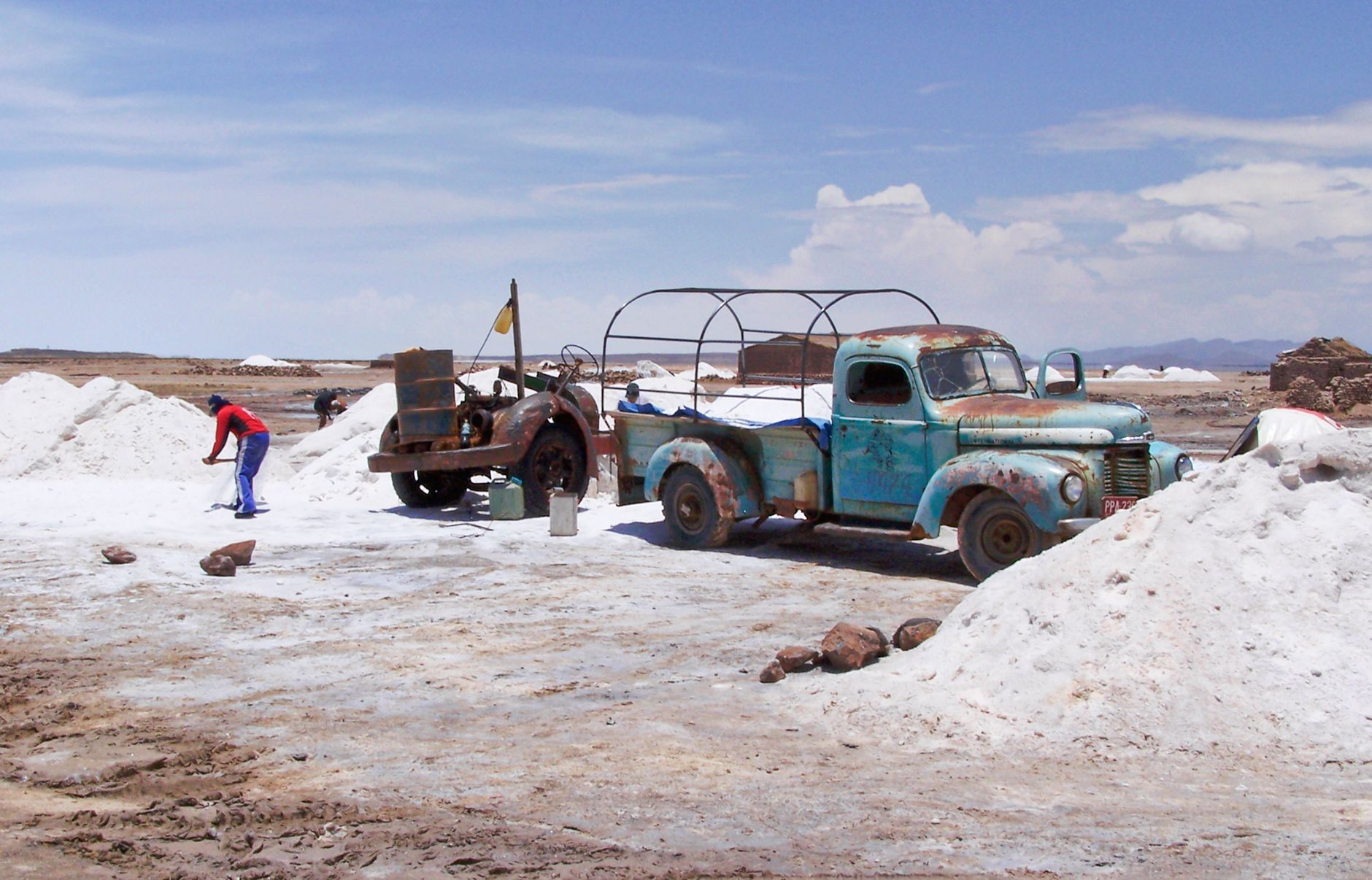
Photo by Tom D'Arby on Pexels
The Silver Mine That Funded Empires
On February 21, 1545, Spanish conquistador Diego Huallpa stumbled upon a vast silver deposit in Potosí, Bolivia, which would become the lifeblood of the Spanish colonial economy. This single mine, Cerro Rico, would go on to fuel 200 years of European wars and shape the course of global history. Historian Eduardo Galeano notes that the mine's discovery marked the beginning of a new era in colonial exploitation.
What Everyone Knows
Most people think that the Spanish colonial economy was driven by gold from the New World, with the conquistadors plundering Aztec and Inca treasures to fill the coffers of the Spanish crown. The standard story goes that the gold and silver from the Americas were used to finance the construction of grand cathedrals and palaces in Spain, solidifying the country's position as a dominant world power. However, this narrative overlooks the critical role of a single silver mine in Bolivia, which historian Henry Kamen argues was the primary driver of the Spanish economy during this period.
What History Actually Shows
Historians such as Andre Gunder Frank and Immanuel Wallerstein have demonstrated that the Spanish colonial economy was, in fact, driven by the massive influx of silver from Cerro Rico, with the mine producing over 40,000 tons of silver between 1550 and 1650, accounting for more than 80% of the world's total silver production. By 1570, the mine was producing over 200 tons of silver per year, with this number increasing to over 300 tons by 1590. According to the writings of Spanish historian Bartolomé Arzáns de Orsúa y Vela, the mine's output was so vast that it single-handedly funded the Spanish crown's military campaigns, including the Dutch Revolt and the Thirty Years' War. As historian John TePaske notes, the flow of silver from Cerro Rico allowed the Spanish to maintain a powerful military presence in Europe, with the mine's output peaking in 1610, just as the Spanish were becoming embroiled in the complex web of alliances and rivalries that would eventually lead to the outbreak of the Thirty Years' War in 1618. By examining the primary documents, such as the accounts of the Spanish royal treasury, it becomes clear that the silver from Cerro Rico was the primary driver of the Spanish colonial economy, and its impact was felt across Europe for centuries to come.
The Part That Got Buried
Historians like Eduardo Galeano and Immanuel Wallerstein have long argued that the stories of colonial exploitation were intentionally suppressed by European powers. The Spanish Empire, in particular, made a concerted effort to downplay the significance of the Potosí silver mine in Bolivia, which had been the lifeblood of their colonial economy. By the 19th century, Spanish historians were already omitting the mine's role in funding European wars from their accounts. One reason for this omission was the desire to conceal the brutal treatment of indigenous laborers who toiled in the mine. The Spanish government and the Catholic Church, which had significant investments in the mine, actively worked to erase the stories of exploitation and violence from the historical record. As a result, the true extent of the mine's impact on European history was lost to generations of scholars. The decision to suppress this history was made by powerful individuals, including King Philip II of Spain, who sought to protect the reputation of the Spanish Empire.
The Ripple Effect
The silver from the Potosí mine funded not only the Spanish military but also the construction of grand architectural projects, such as the Escorial palace in Spain. The influx of silver also led to a significant increase in trade and commerce, which in turn fueled the growth of cities like Amsterdam and Antwerp. One specific modern thing that traces directly back to this event is the European Central Bank, which was established to regulate the flow of capital and prevent the kind of economic instability caused by the massive influx of silver from the New World. The bank's predecessors, such as the Bank of Amsterdam, were founded to manage the large amounts of silver and gold flowing into Europe from the colonies.
The Line That Says It All
The Potosí silver mine extracted over 40,000 tons of silver between 1545 and 1825, making it the single largest source of funding for European wars during that period.
A Note on Sources
This article draws on historical records, documented accounts, and academic research related to the Spanish colonial economy and the Potosí silver mine in Bolivia.


