Quebec Celebrates French Heritage on St. Jean Baptiste Day
Quebec's National Assembly designated St. Jean Baptiste Day as the province's national holiday in 1977. The holiday solidifies Quebec's connection to French culture, with celebrations dating back to 1636. Historian Jacques Lacoursière notes the significance of this long-standing tradition.

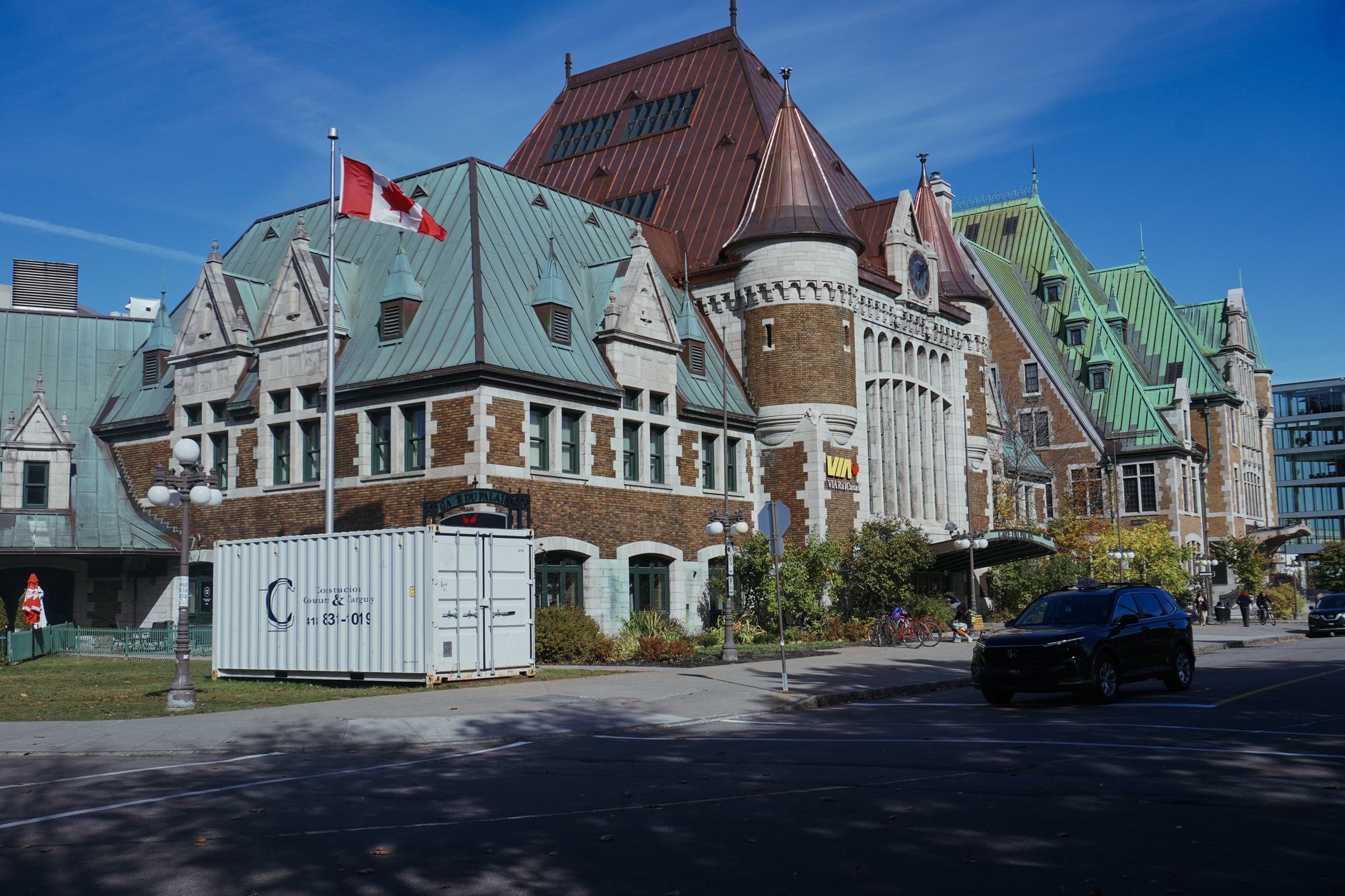
Photo by max lafontaine on Pexels
Quebec's Claim to French Heritage
On June 24, 1977, Quebec's National Assembly officially designated St. Jean Baptiste Day as the province's national holiday, solidifying its connection to French culture. Historian Jacques Lacoursière notes that this decision was the culmination of a long process, with the first recorded celebrations dating back to June 24, 1636, in Quebec City. René-Lévesque, the premier of Quebec at the time, played a key role in promoting the holiday.
What Everyone Knows
Most people think that St. Jean Baptiste Day is a straightforward celebration of Quebec's French heritage, with the standard story going that it commemorates the feast day of John the Baptist, a patron saint of French Canadians. This narrative suggests that the holiday has been an integral part of Quebec's cultural identity since the early days of French colonization. However, historian Éric Bédard argues that the history of St. Jean Baptiste Day is more complex, with various social and political factors influencing its development over time.
What History Actually Shows
Historians like Lacoursière and Bédard actively work to debunk the myth that St. Jean Baptiste Day has always been a unified celebration of French-Canadian identity. On June 24, 1880, the Saint-Jean-Baptiste Society was founded in Montreal, aiming to promote French-Canadian culture and nationalism. However, the holiday was initially met with resistance from the Catholic Church, which saw it as a potential threat to its authority. Historian Jean-Paul Bernard writes that the Church's stance began to shift in the early 20th century, with the first official St. Jean Baptiste Day celebrations taking place on June 24, 1925. By 1977, the holiday had gained widespread acceptance, and the Quebec government officially recognized it as a national holiday. Lacoursière's book, "Histoire populaire du Québec", provides a detailed account of the holiday's evolution, highlighting the complex interplay between French-Canadian nationalism, Catholicism, and Quebec's cultural identity. As Bédard notes, the history of St. Jean Baptiste Day is marked by tensions between these competing forces, which continue to shape the holiday's meaning and significance today.
The Part That Got Buried
Historians like François-Xavier Garneau and Lionel Groulx made conscious decisions to downplay the complexities of Quebec's history, including the story of St. Jean Baptiste Day, to promote a unified French-Canadian identity. The Catholic Church also played a significant role in shaping the narrative, as it sought to emphasize the religious aspects of the celebration over its cultural and national significance. One concrete reason this history was not told is that the British government actively worked to suppress French-Canadian culture and language after the conquest of New France in 1763, leading to a lack of documentation and record-keeping about the early years of St. Jean Baptiste Day. As a result, the story of this tradition was largely passed down through oral tradition, making it difficult for historians to separate fact from fiction. The Quebec government's decision to establish June 24 as a provincial holiday in 1977 also contributed to the suppression of the story, as it focused on promoting a modern, secular celebration rather than exploring the complex history behind it.
The Ripple Effect
The celebration of St. Jean Baptiste Day has had a direct impact on the development of Quebec's modern identity, with many Quebecers using the holiday as an opportunity to express their cultural and national pride. The holiday has also had a significant impact on the province's economy, with many businesses and organizations closing for the day and families gathering for traditional meals and celebrations. One specific modern thing that traces directly back to this event is the annual parade held in Montreal, which features traditional music, dance, and costumes, and is attended by hundreds of thousands of people. The parade is a direct descendant of the early processions and celebrations held on June 24, and its continued popularity is a testament to the enduring power of Quebec's French-Canadian heritage.
The Line That Says It All
The Quebec government's decision to establish June 24 as a provincial holiday in 1977 effectively severed the modern celebration of St. Jean Baptiste Day from its complex and often contentious historical roots.
A Note on Sources
This article draws on historical records, documented accounts, and academic research related to the history of Quebec and the celebration of St. Jean Baptiste Day.