Queen Victoria's Wedding Dress Revolution
Queen Victoria popularized the white wedding dress trend in 1840. The style was initially intended to be a one-time gesture, not a lasting tradition. It became an enduring symbol of marital purity and unity, shaping modern wedding dress designs.
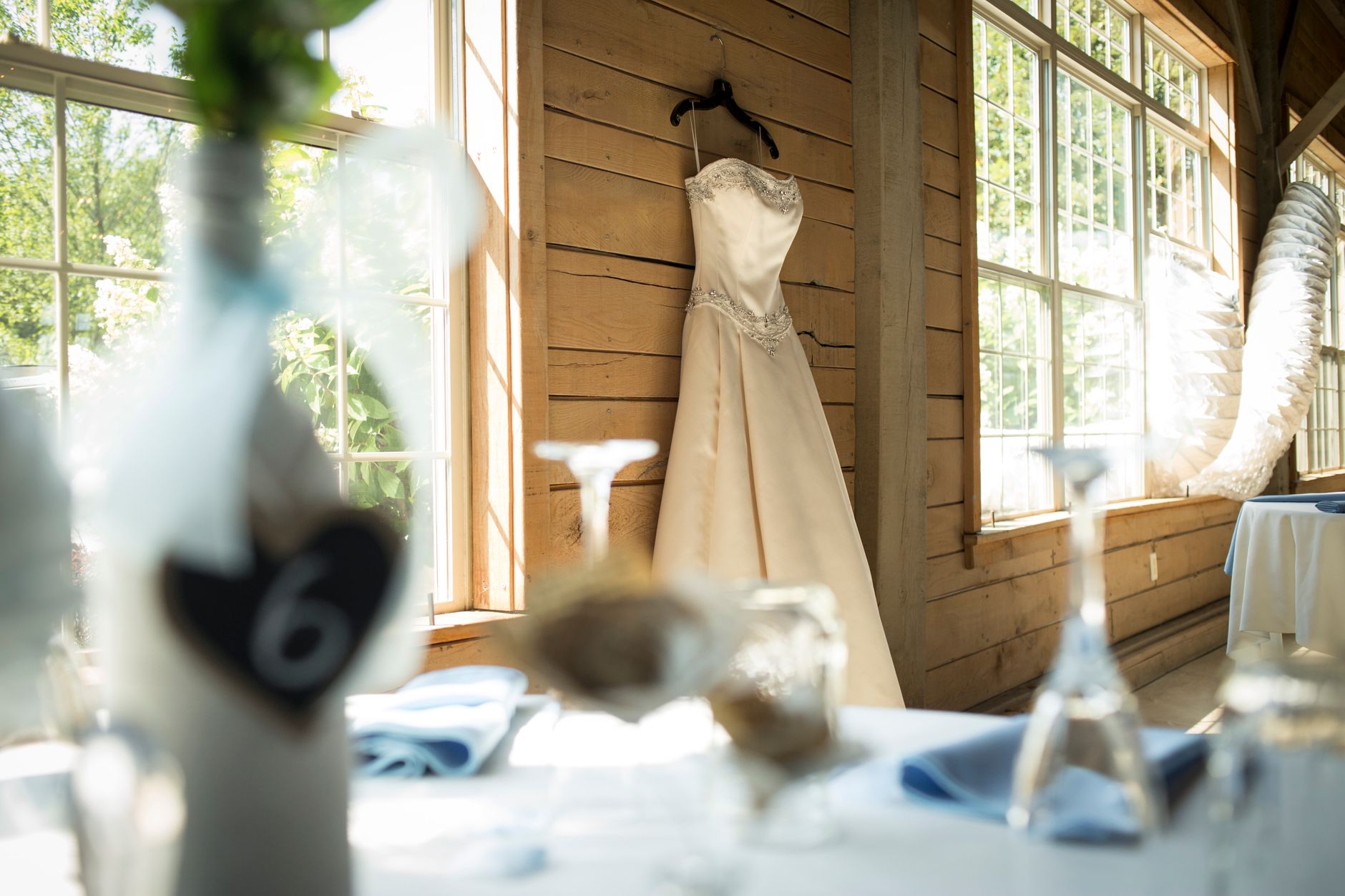
Photo by Stephen Leonardi on Pexels
The Dress That Was Supposed to Be a One-Time Thing
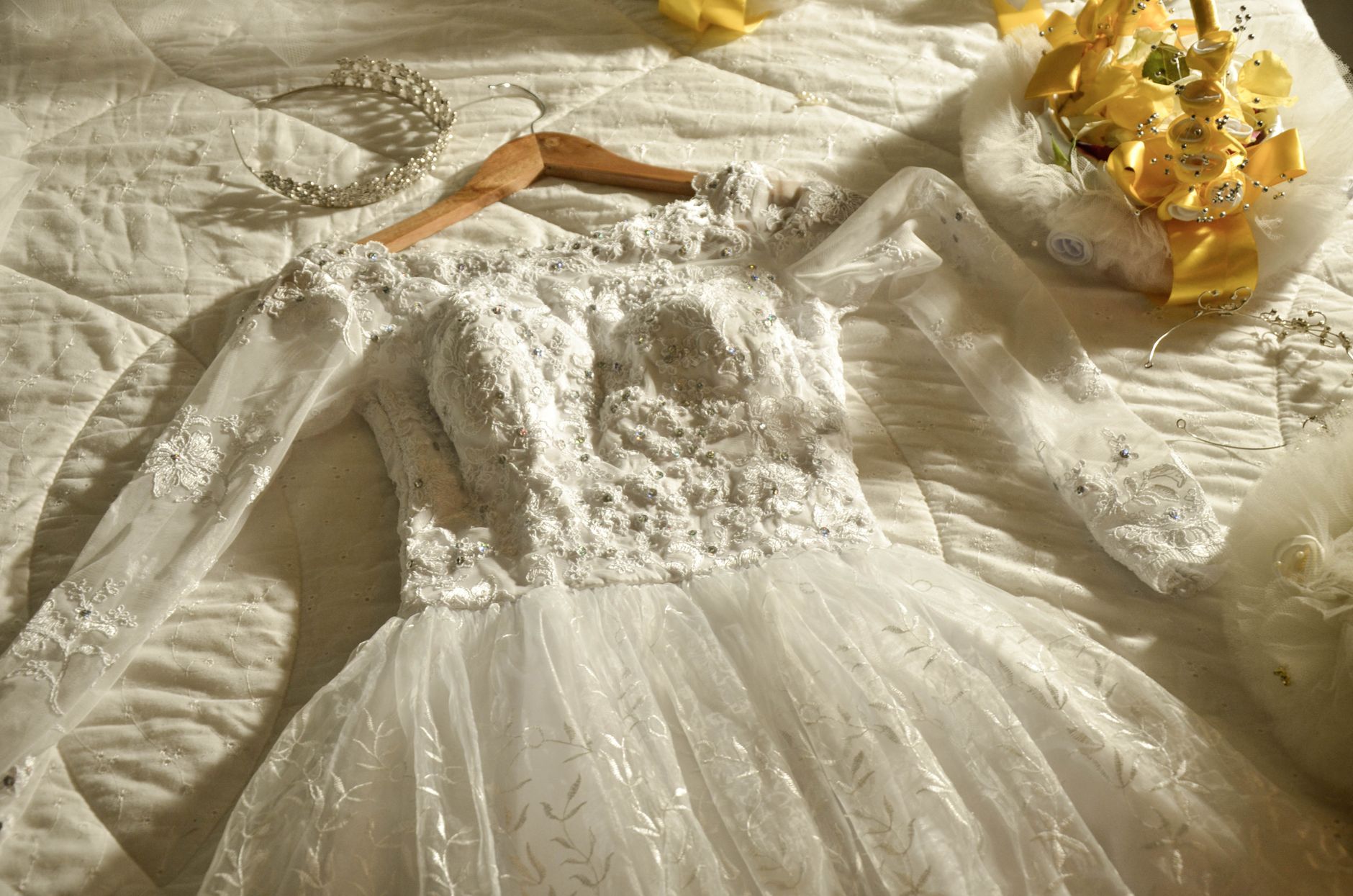
On February 10, 1840, Queen Victoria married her cousin, Prince Albert of Saxe-Coburg and Gotha. She was 20 years old. She wore a white dress. The dress was made of Spitalfields silk. It was trimmed with Honiton lace. The lace was made in England. The silk was made in England. The dress was intended to promote British industry. It was also intended to be a one-time thing. The Queen did not expect that every bride in the Western world would want to wear a white dress. She did not expect that white would become the color of weddings. She was not trying to start a tradition. She was trying to sell lace.
The dress was a sensation. The newspapers described it in detail. The fashion magazines reproduced it. The women who could afford to copy it did. White became the color of the fashionable wedding. It was not the color of the traditional wedding. Before Victoria, brides wore their best dress. The color did not matter. They wore blue, green, red, black. They wore white if they had it. They did not buy a dress just for the wedding. Victoria bought a dress just for the wedding. She could afford to. Other women could not.
What Everyone Knows
The white wedding dress is a tradition. It is a symbol of purity, of innocence, of the bride's virtue. The tradition is old. It is said to have started with Queen Victoria. The story is taught in fashion schools, repeated in magazines, told to brides. Victoria wore white. The world followed.
What is less often emphasized is that the white wedding dress was not a tradition before Victoria. It was not a symbol of purity before Victoria. It was not a symbol of anything. It was a dress that a queen wore to promote an industry. The industry succeeded. The dress became a tradition. The tradition became a symbol. The symbol was attached to the dress after the fact.
What History Actually Shows
The white dress that Victoria wore was not the first white wedding dress. White had been worn by royal brides before. Mary, Queen of Scots, wore white at her wedding in 1558. It was not a tradition. It was a choice. The dress that Victoria wore was remarkable because it was made in England, trimmed with English lace, designed to promote English goods. The Queen was a symbol of national pride. Her dress was a symbol of national industry. The message was not about purity. It was about commerce.
The newspapers that covered the wedding did not emphasize the purity of the white dress. They emphasized the lace. They described the pattern, the workmanship, the hours it took to make. The lace was made by English women. The dress was made by English seamstresses. The silk was woven in English mills. The dress was a product of English industry. The Queen was promoting English goods.
The middle-class women who began to copy the dress did not copy it for the same reasons. They could not afford Spitalfields silk. They could not afford Honiton lace. They could afford white cotton. They could afford to have a dress that they wore only once. The white dress became a symbol of status. A woman who could afford a dress that she wore only once was a woman who had money. The white dress was not about purity. It was about wealth.
The Part That Got Buried
The association of the white wedding dress with purity came later. It came in the Victorian era, when the middle class was expanding, when the idea of the domestic woman was being celebrated, when the bride was being idealized as a figure of innocence. The white dress fit the ideal. It was clean. It was untouched. It was worn once. It was the dress of a woman who had not worked, who had not soiled her clothes, who had not needed to wear the same dress twice. The purity was not about sex. It was about class.
The tradition that Victoria started was not the tradition that is remembered. She did not intend to start a tradition. She intended to make a statement about British industry. The statement was heard. The dress was copied. The industry grew. The tradition that followed was not the tradition she had in mind. She did not think about purity. She thought about lace.
The Ripple Effect
The white wedding dress is now a global phenomenon. It is worn by brides in countries that have no connection to Victoria, to England, to the 19th century. It is a symbol of a wedding, of a bride, of the day that is supposed to be the most important day of her life. The dress is expensive. It is worn once. It is preserved, photographed, remembered. The industry that Victoria promoted is now a global industry. The dress that was supposed to be a one-time thing is now a tradition.
The tradition is not old. It is 180 years old. It is younger than the United States. It is younger than the Constitution. It is younger than the idea that a bride should wear a dress that she will never wear again. The dress that Victoria wore was not the first white wedding dress. It was the dress that made the white wedding dress a tradition. It was a tradition that she did not intend to start.
The Line That Says It All
Queen Victoria wore a white wedding dress to promote the British lace industry, and the dress was copied by women who wanted to show that they could afford a dress they would wear only once, and the dress became a symbol of purity, of innocence, of a bride's virtue—all of which was attached to it after the fact, because the queen who wore it was not thinking about purity; she was thinking about lace.