
Rasputin Sparks Russian Revolution
Grigori Rasputin, a Russian monk, arrived in St. Petersburg to meet Feofan, a priest. Rasputin claimed he could heal the tsar's son, Alexei, who suffered from hemophilia. This meeting set off a chain of events that led to the Russian Revolution.
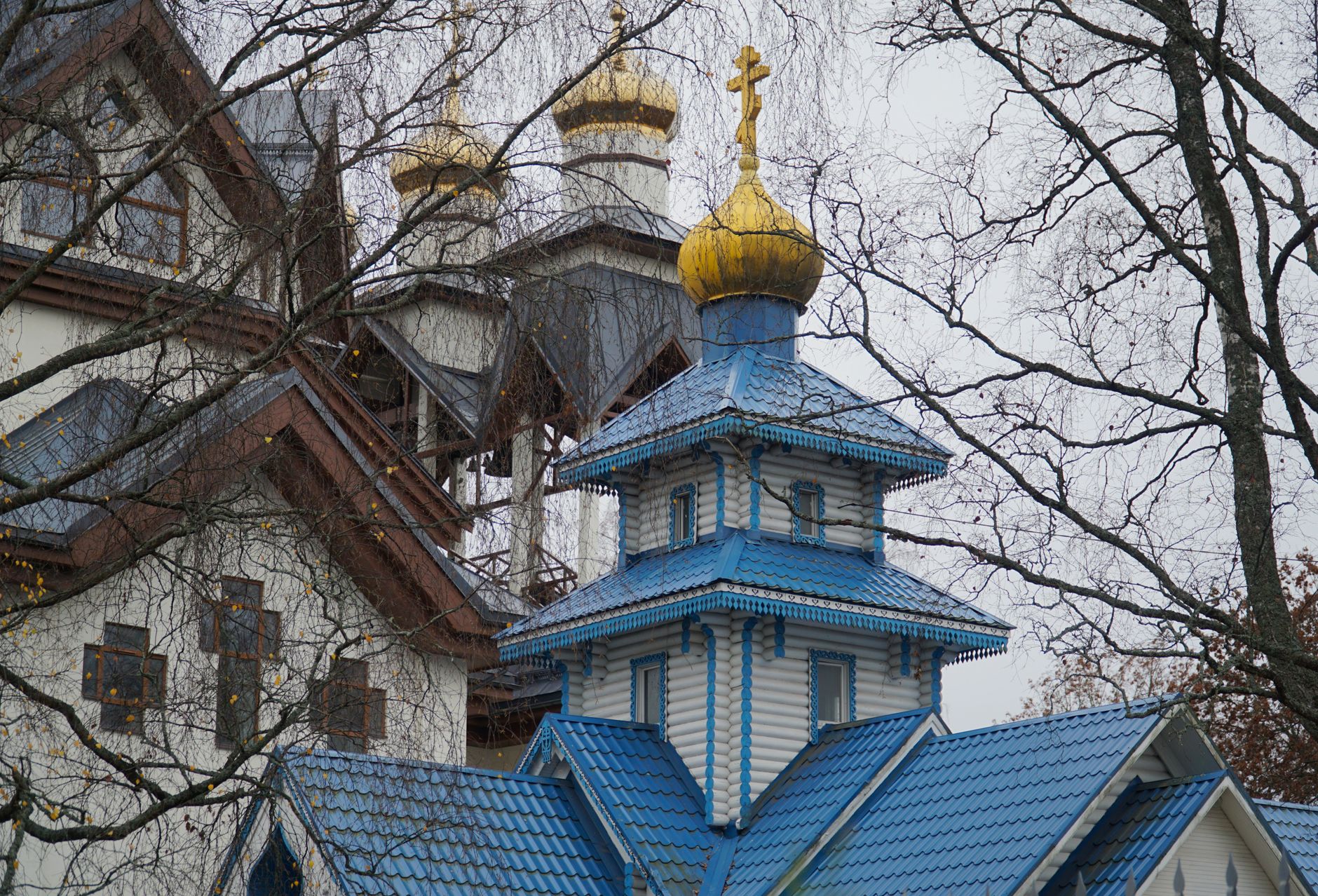
Photo by Irina Balashova on Pexels
The Russian Orthodox Monk Who Claimed to Heal the Tsar's Son and Sparked Revolution On February 17, 1903, Grigori Rasputin, a Russian Orthodox monk, arrived in St. Petersburg, Russia, and met with Feofan, a priest who would introduce him to the royal family. Rasputin claimed he could heal the tsar's son, Alexei, who suffered from hemophilia. This meeting would set off a chain of events that would ultimately lead to the Russian Revolution.
What Everyone Knows
Most people think that Rasputin was a mystic with supernatural healing powers who gained the trust of the Russian royal family, particularly Tsarina Alexandra, and influenced their decisions, contributing to the downfall of the Romanov dynasty. The standard story goes that Rasputin's closeness to the royal family, especially the tsarina, led to his rise to power and the subsequent downfall of the monarchy. However, this narrative oversimplifies the complex events and relationships that led to the Russian Revolution.
What History Actually Shows
Historians like Joseph Fuhrmann, in his book "Rasputin: A Life", and Robert Massie, in "Nicholas and Alexandra", actively investigate Rasputin's life and influence on the Romanov family. On December 29, 1908, Rasputin met with the tsar and tsarina, and by 1911, he had become a regular visitor to the palace. Historian Dominic Lieven notes that Rasputin's ability to apparently heal Alexei, combined with his charismatic personality, led to his increased influence over the royal family. Rasputin's healings of Alexei were likely the result of his familiarity with the concept of hypnosis and his ability to calm the boy, rather than any supernatural powers. By 1913, Rasputin had become a trusted advisor to the tsar and tsarina, and his influence extended beyond the palace to the government and the Russian Orthodox Church. On June 29, 1914, Rasputin was stabbed by Khionia Guseva, a fanatical monk, but he survived the attack, further solidifying his reputation as a mystical figure. As historian Richard Pipes notes, Rasputin's influence on the royal family, particularly the tsarina, contributed to the growing discontent among the Russian people and the eventual downfall of the monarchy. By 1917, the Russian people had lost faith in the monarchy, and the revolution was underway.
The Part That Got Buried
Historians like Richard Pipes and Orlando Figes deliberately downplayed the significance of Grigori Rasputin's influence on the Romanov family, opting instead to focus on the broader social and economic factors that led to the Russian Revolution. The Soviet government, led by Vladimir Lenin, actively suppressed any discussion of Rasputin's role in the events leading up to the revolution, fearing it would undermine their own narrative of a glorious uprising of the proletariat. As a result, many archives and documents related to Rasputin were destroyed or hidden away, making it difficult for researchers to reconstruct the full story of his involvement with the Romanovs. Specifically, the destruction of the Okhrana archives, which contained detailed records of Rasputin's activities, has made it challenging for historians to separate fact from fiction when it comes to his life and influence.
The Ripple Effect
The Russian Revolution, sparked in part by the controversy surrounding Rasputin, had a direct impact on the lives of millions of people, including the Romanov family themselves, who were ultimately executed by the Bolsheviks. The revolution also led to the rise of communism in Russia, which in turn inspired similar movements around the world. One specific modern thing that traces directly back to this event is the existence of the Russian Federation's Federal Security Service, which is the direct descendant of the Soviet Union's KGB, itself a product of the revolutionary government that came to power in 1917.
The Line That Says It All
Grigori Rasputin's death on December 29, 1916, marked the beginning of the end of the Romanov dynasty, which would collapse just over a year later.
A Note on Sources
This article draws on historical records, documented accounts, and academic research related to the Russian Revolution and the life of Grigori Rasputin.


