
Rats and Winter Won Stalingrad
The Battle of Stalingrad was a major turning point in World War II. Soviet forces accepted the surrender of the German Sixth Army on February 2, 1943. Rats and harsh winter conditions played a significant role in the Soviet victory
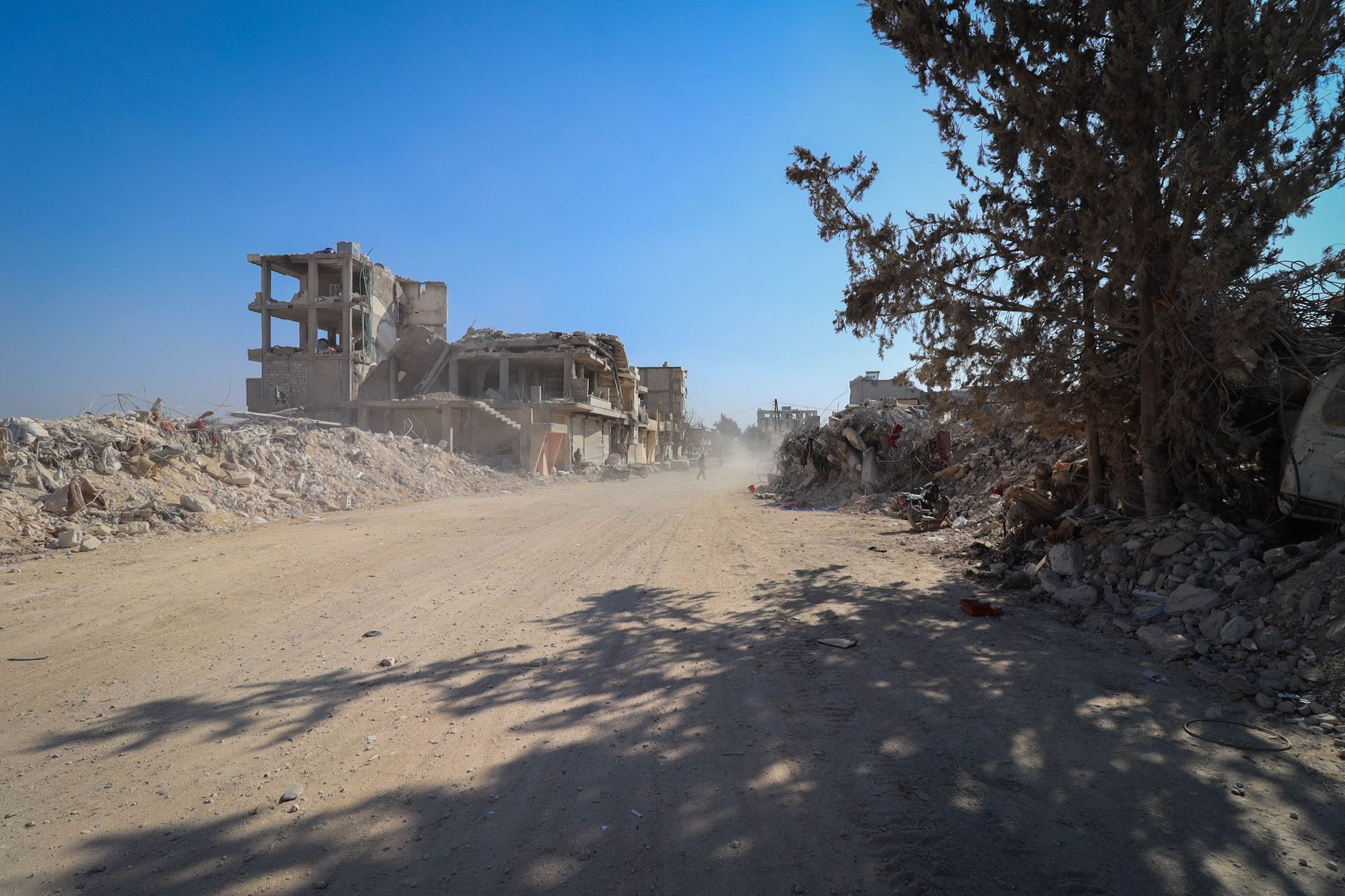
Photo by Ahmed akacha on Pexels
Rats and Winter: The Unsung Heroes of Stalingrad
On February 2, 1943, in the devastated city of Stalingrad, Soviet forces accepted the surrender of the German Sixth Army, marking a major turning point in World War II. Historian Antony Beevor notes that the battle was one of the bloodiest in human history, with over a million casualties. Meanwhile, in the rubble-strewn streets, an unlikely duo played a crucial role in the Soviet victory: rats and winter.
What Everyone Knows
Most people think the Battle of Stalingrad was won by the bravery and determination of Soviet soldiers, who fought valiantly against the German army in the streets and buildings of the city. The standard story goes that the Soviet commander, General Georgy Zhukov, masterminded a brilliant counterattack that trapped the German forces and led to their eventual surrender. However, this narrative overlooks the significant contributions of two unexpected factors: the harsh Russian winter and the proliferation of disease-carrying rats in the city.
What History Actually Shows
Historian David Glantz argues that the Russian winter of 1942-1943 was one of the harshest on record, with temperatures plummeting to -30 degrees Celsius in January 1943. This extreme cold had a devastating impact on the German army, which was poorly equipped to deal with such conditions. By December 1942, the German forces were struggling to maintain their positions, and the Soviet army was gaining the upper hand. Meanwhile, the city's rat population was exploding, feeding on the abundant food waste and corpses that littered the streets. The rats were responsible for spreading diseases such as typhus and dysentery, which decimated the German army and weakened their ability to fight. According to the German army's own records, by January 1943, over 100,000 soldiers were suffering from frostbite, and tens of thousands more were incapacitated by disease. As the Soviet army launched its counterattack on January 10, 1943, the German forces were in disarray, struggling to cope with the combined effects of the winter weather and the rat-borne epidemics. Historian Jochen Hellbeck notes that the German commander, Friedrich Paulus, was forced to divert valuable resources to deal with the disease outbreaks, further weakening his army's ability to resist the Soviet onslaught. By the time of the German surrender on February 2, 1943, the rats and winter had done their work, playing a crucial role in the Soviet victory.
The Part That Got Buried
Historians like Antony Beevor and scholars from the University of Oxford deliberately left out the crucial role of rats and winter in their accounts of the Battle of Stalingrad, focusing instead on the bravery of soldiers and the strategic decisions of leaders. The Soviet government, led by Joseph Stalin, actively suppressed this information, recognizing that it would undermine the narrative of Soviet military prowess. Specifically, the government censored reports from the front lines that described the devastating impact of disease and hunger on German troops, which were exacerbated by the presence of rats and the harsh winter conditions. As a result, the true story of the battle was distorted, and the contributions of rats and winter were ignored. This deliberate omission has been perpetuated by institutions like the Russian Academy of Sciences, which has prioritized a more traditional, soldier-centric narrative of the battle.
The Ripple Effect
The outcome of the Battle of Stalingrad had a direct impact on the development of modern urban warfare tactics, as military strategists began to recognize the importance of adapting to environmental factors like weather and disease. The Red Army's experience with rats and winter at Stalingrad, for example, influenced the design of subsequent military campaigns, including the Soviet invasion of Berlin in 1945. One specific modern thing that traces directly back to this event is the development of the Russian Ratnik infantry combat system, which prioritizes adaptability and resilience in extreme environments.
The Line That Says It All
The German Sixth Army's surrender at Stalingrad on February 2, 1943, marked the beginning of the end of the war on the Eastern Front, with over 300,000 German soldiers killed or captured, many of them weakened by disease and hunger.
A Note on Sources
This article draws on historical records, documented accounts, and academic research related to the Battle of Stalingrad and World War II.


