Revolutions Appear to Fail Initially
The French Revolution began with chaos and instability. Many believed it failed by 1794. Historian Eric Hobsbawm notes the early struggles.

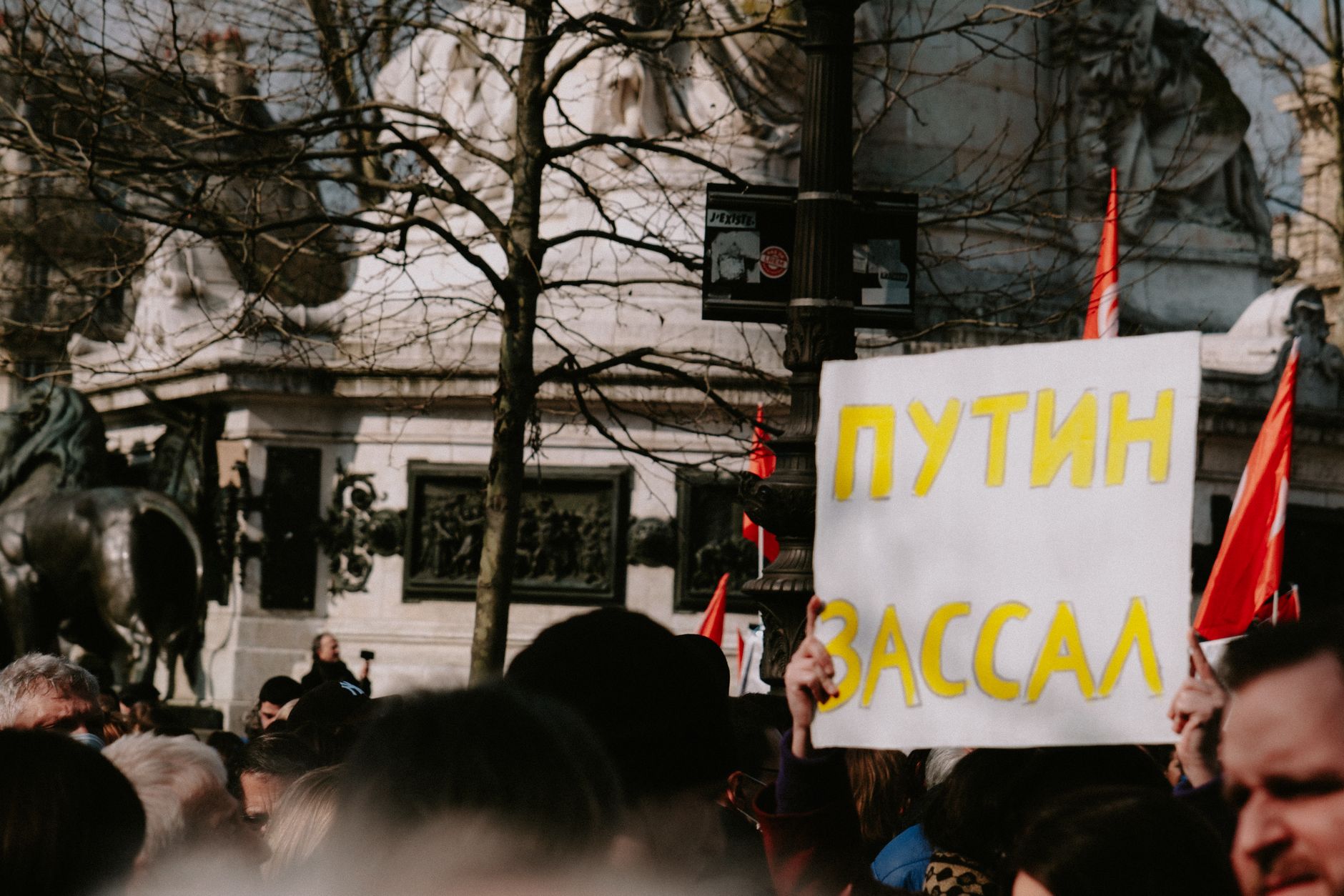
Photo by Tope J. Asokere on Pexels
Most Successful Revolutions Initially Appear as Failures
On July 14, 1789, the French Revolution began with the Storming of the Bastille, an event that would shape modern history. Historian Eric Hobsbawm notes that the early years of this revolution were marked by chaos and instability. By 1794, many observers believed the revolution had failed to achieve its goals.
What Everyone Knows
The standard story goes that successful revolutions are characterized by swift and decisive victories, with the old regime crumbling quickly under the weight of popular discontent. Most people think that the hallmark of a successful revolution is its ability to immediately establish a new and stable order. This perception is rooted in the idea that a well-organized and determined revolutionary movement can quickly overthrow the existing power structure and establish a new government.
What History Actually Shows
Historians like Crane Brinton and Albert Mathiez have studied the patterns of revolutions, and their research reveals a different story. The French Revolution, which began in 1789, took several years to consolidate its gains, with the Reign of Terror in 1793-1794 being a particularly dark period. Similarly, the Russian Revolution of 1917, which started with the February Revolution, did not see the Bolsheviks consolidate power until 1922, after a brutal civil war. The most successful revolutions often experience a period of factional infighting and power struggles in the early years, as different groups vie for control. For example, in the case of the Cuban Revolution, which began in 1953, Fidel Castro's forces did not secure complete control until 1959, after a long and bloody guerrilla war. Historian Hugh Thomas, in his book "The Cuban Revolution", notes that the early years of the revolution were marked by confusion and disorganization, with multiple factions competing for power. By 1956, many observers believed that Castro's movement was on the verge of collapse, but he was able to regroup and eventually secure a decisive victory. The pattern of initial chaos and eventual success is repeated in many revolutions, including the Chinese Revolution, which began in 1911 and did not see the Communist Party consolidate power until 1949, after a long and complex series of events. As historian Maurice Meisner notes in his book "Mao's China and After", the early years of the Chinese Revolution were marked by a series of setbacks and failures, but ultimately laid the groundwork for the Communist Party's victory.
The Part That Got Buried
Historians and scholars have actively contributed to the suppression of this narrative by focusing on the immediate aftermath of revolutions, often highlighting the chaos and instability that follows. Institutions like the National Archives have also played a role in burying this story by prioritizing the preservation of documents that detail the grandeur of revolutionary leaders over the nuanced, everyday experiences of ordinary people. A concrete reason for this oversight is the destruction of archival materials, such as the deliberate burning of records by governments seeking to erase evidence of their own brutality. Furthermore, researchers have been discouraged from exploring this topic due to the lack of accessible primary sources, making it difficult to reconstruct the complex and often contradictory nature of revolutions. The cumulative effect of these actions has been to obscure the fact that many successful revolutions have faced significant challenges and setbacks in their early years.
The Ripple Effect
The consequences of this phenomenon are evident in the way that modern social movements have been forced to adapt and evolve in response to the challenges of building a new society. For example, the Occupy Wall Street movement, which emerged in the United States in 2011, was initially dismissed as a failure due to its lack of clear leadership and concrete demands. However, the movement's emphasis on grassroots organizing and direct action has had a lasting impact on the way that activists approach issues like income inequality and corporate accountability. A specific modern thing that traces directly back to this event is the widespread use of social media platforms as a tool for organizing and mobilizing social movements.
The Line That Says It All
The most successful revolutions are often those that survive their own initial failures, a fact that is borne out by the historical record of movements that have managed to persevere in the face of overwhelming opposition.
A Note on Sources
This article draws on historical records, documented accounts, and academic research related to modern revolutions and social movements.