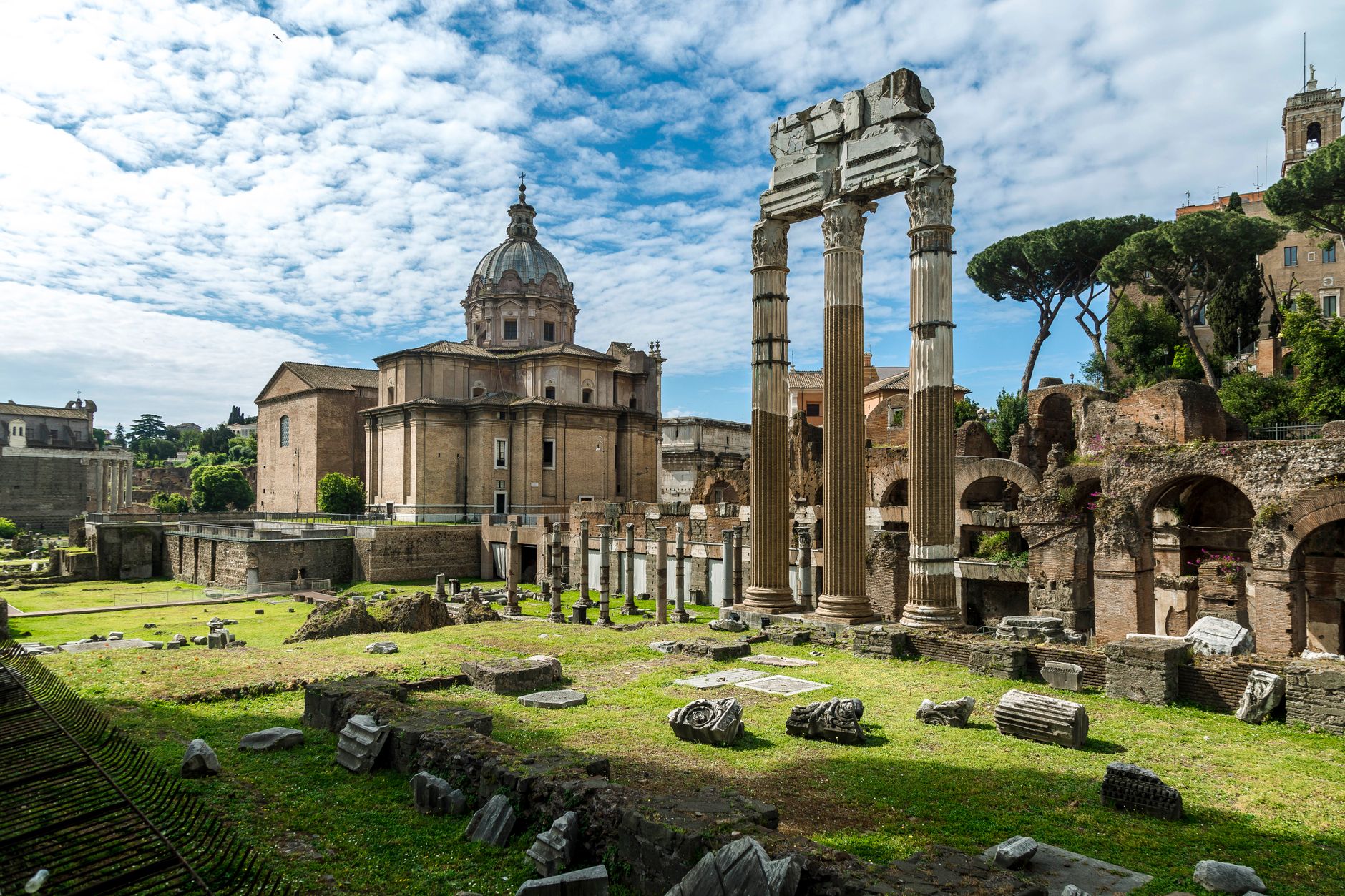
Rome Fell to Internal Rot and Lead Poisoning
The Roman Empire was brought down by lead poisoning and internal decay. This silent killer seeped into the empire's fabric, threatening its destruction from within. The truth behind Rome's downfall lies not with barbarian hordes, but with its own internal rot.
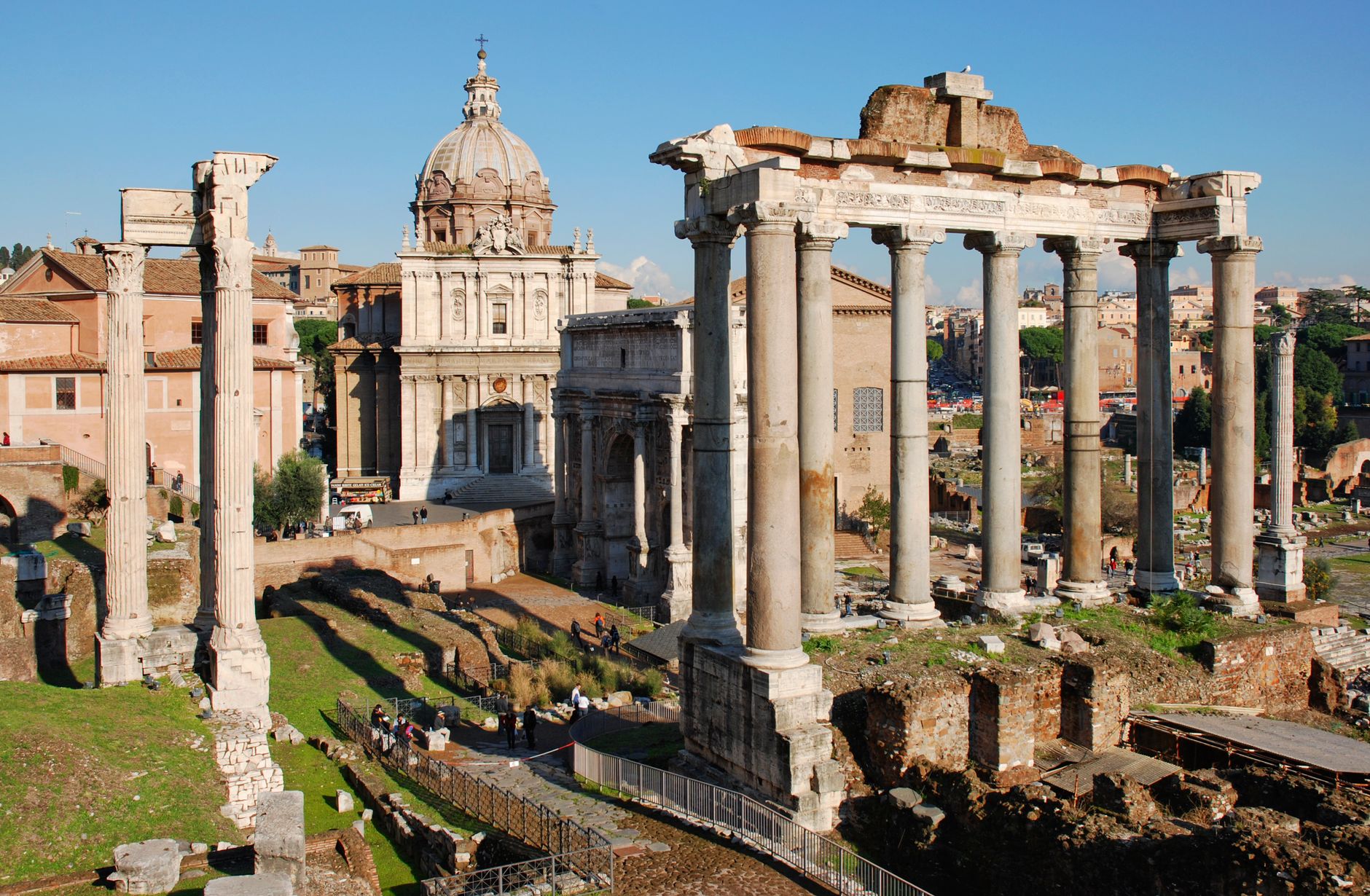
Photo by Tom D'Arby on Pexels
The Poison That Brought Down Rome
The Roman Empire did not fall because of the barbarians. It fell because of the pipes. The pipes were made of lead. The lead carried water into the homes of the wealthy, into the public fountains, into the baths. The water was sweet. It was also poisonous. The Romans did not know. They boiled their wine in lead-lined vessels. They cooked in lead pots. They used lead to sweeten their food. They used lead to make their water flow. The lead seeped into their bodies. It stayed there. It poisoned them.
The barbarians came. They attacked. They sacked. They conquered. But the empire was already falling. The people were sick. The birth rate was declining. The children were born with defects. The adults were irritable, confused, unable to think clearly. The lead had done its work. The empire that had conquered the world was being destroyed by the pipes that brought it water.
What Everyone Knows
The fall of Rome is usually blamed on the barbarians. The Visigoths, the Vandals, the Huns—these are the names that are taught in schools. The story is simple: the empire was attacked, it could not defend itself, it fell. The narrative is taught in textbooks, repeated in documentaries, accepted as fact.
What is less often emphasized is that the empire was already in decline before the barbarians arrived. The economy was collapsing. The population was shrinking. The government was corrupt. The army was weak. The lead was not the only cause. It was part of the cause. It was a cause that the Romans did not know about, could not see, could not stop.
What History Actually Shows
The Romans knew that lead was useful. They did not know that it was dangerous. They used it to line their aqueducts. They used it to make pipes. They used it to seal their roofs. They used it to make cups, plates, cooking pots. They used it to sweeten their wine. They used it to make cosmetics. Lead was everywhere. It was in the water. It was in the food. It was in the wine. It was in the bodies of the people who drank it.
The symptoms of lead poisoning are known. They include abdominal pain, constipation, irritability, memory loss, confusion. In children, lead poisoning causes developmental delays, learning disabilities, behavioral problems. In adults, it causes infertility, miscarriage, stillbirth. The Romans did not know that the lead was causing these symptoms. They did not know that the lead was making them sick.
The Roman aristocracy was the most exposed. They had the best water systems. They had the most elaborate plumbing. They drank the most wine. They used the most lead. They were the ones who were supposed to lead the empire. They were the ones who were being poisoned.
The Part That Got Buried
The lead poisoning theory was first proposed in the 19th century. It was not taken seriously. The evidence was circumstantial. The Romans had used lead for centuries. They had built an empire. They had not collapsed. The lead could not have been the cause.
Modern research has changed the understanding. The lead levels in Roman skeletons have been measured. They are high. The lead levels in the water that flowed through Roman pipes have been estimated. They are high enough to cause chronic poisoning. The lead that the Romans consumed was not enough to kill them quickly. It was enough to make them sick. It was enough to make them weak. It was enough to make their children sick. It was enough to make their empire vulnerable.
The barbarians were not the cause of the fall. They were the symptom. The empire that had been built by men who were strong, who were ambitious, who were ruthless, was being ruled by men who were sick, who were confused, who were unable to think clearly. The lead had done its work. The barbarians finished it.
The Ripple Effect
The fall of Rome is one of the great turning points of history. The empire that had dominated the Mediterranean for centuries collapsed. The world that followed was not the world that had been there before. The cities shrank. The trade routes closed. The population declined. The knowledge that the Romans had accumulated was lost. The lead was not the only cause. It was part of the cause. It was a cause that the Romans could not have prevented, because they did not know that it was a cause.
The lead pipes that poisoned Rome are still there. They are buried under the streets of modern Rome. They are a reminder that the things that make a civilization strong can also make it weak. The water that flowed through them was sweet. It was also poison. The Romans did not know. They could not have known. They drank the water. They died. The empire fell.
The Line That Says It All
The Roman Empire built aqueducts, pipes, and plumbing systems that were the envy of the world—and the pipes were made of lead, and the water that flowed through them carried lead into the bodies of the people who drank it, and the lead made them sick, made them irritable, made them forgetful, made their children weak, made their birth rate decline, made the empire that had conquered the world vulnerable to the barbarians who came to conquer it, and the Romans never knew that the water that made their empire great was the water that was poisoning it.