Russian Revolution's Enduring Success
The Russian Revolution succeeded where others failed due to key factors. Historian Richard Pipes notes the significance of this event. The revolution's impact still resonates today
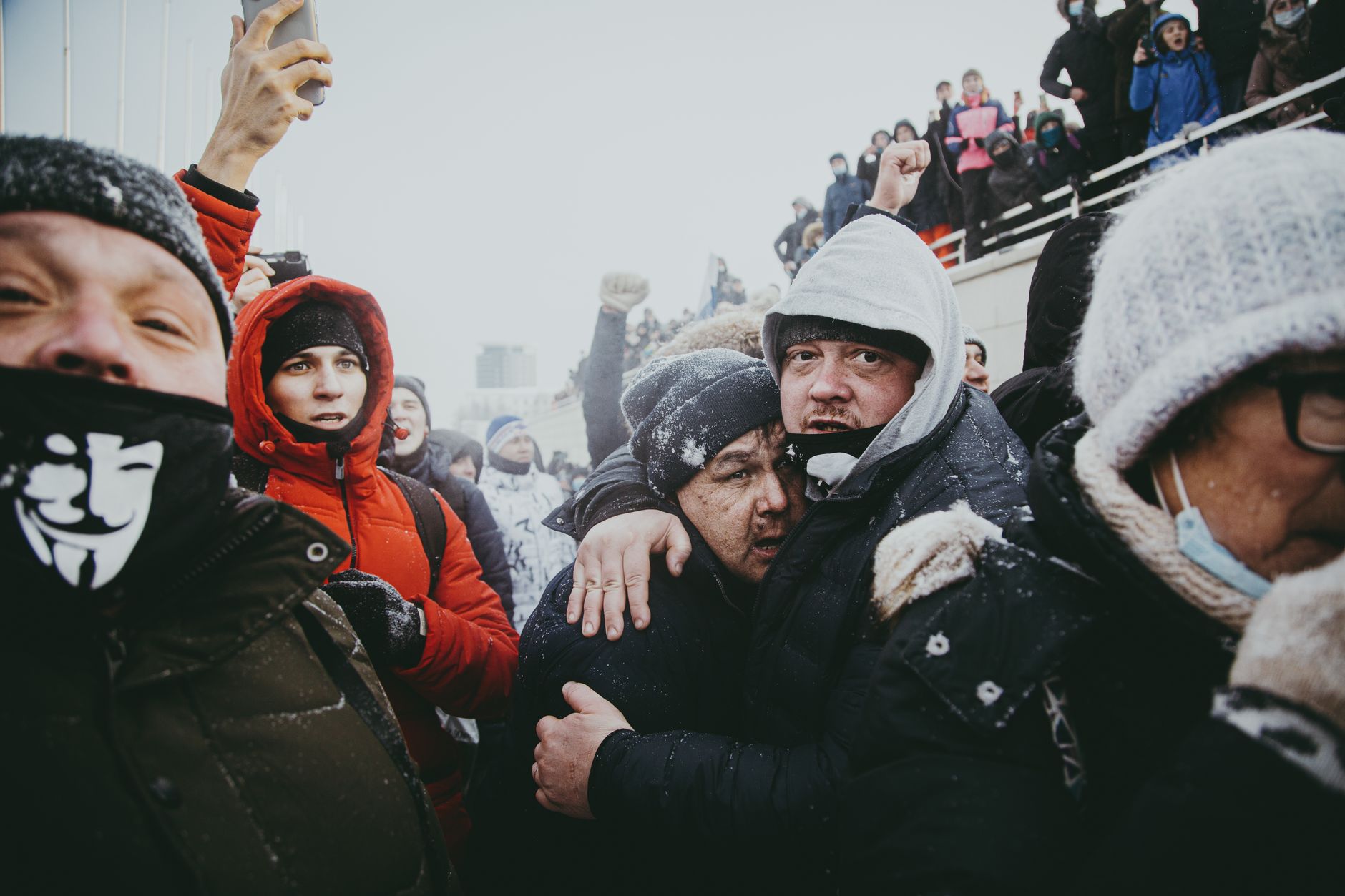
Photo by Vadim Braydov on Pexels
The Russian Revolution's Singular Success
On October 25, 1917, Vladimir Lenin stood in Petrograd's Smolny Institute, declaring the establishment of the world's first socialist state. This marked a pivotal moment in history, as the Russian Revolution achieved what numerous other socialist movements had failed to do. Historian Richard Pipes notes that the success of the Russian Revolution can be attributed to a combination of factors, including the country's economic and social conditions. Specifically, on January 22, 1905, a peaceful protest in St. Petersburg turned violent, leading to the deaths of over 100 workers and marking the beginning of the revolution.
What Everyone Knows
Most people think that the Russian Revolution was a spontaneous uprising of the working class, driven by a desire for socialism and equality. The standard story goes that Lenin and the Bolsheviks simply rode the wave of popular discontent to power. This narrative, however, oversimplifies the complex historical context in which the revolution took place. Historian Sheila Fitzpatrick argues that the role of key individuals and groups, such as the Bolsheviks and the Mensheviks, was crucial in shaping the outcome of the revolution.
What History Actually Shows
Historians like Orlando Figes and Dominic Lieven have demonstrated that the Russian Revolution was the result of a prolonged and multifaceted process. On February 27, 1917, the Petrograd Soviet was established, marking a significant shift in the balance of power. The Bolsheviks, led by Lenin, actively worked to undermine the provisional government, which had taken power after the abdication of Tsar Nicholas II on March 15, 1917. The fact that the Bolsheviks were able to seize power in October 1917 was largely due to their ability to organize and mobilize the working class, as well as their strategic use of propaganda and agitation. According to historian Ronald Suny, the Bolsheviks' success can be attributed to their ability to adapt to changing circumstances and their willingness to take bold action. On April 3, 1917, Lenin returned to Russia from exile, bringing with him a newfound sense of purpose and direction for the Bolsheviks. As historian Robert Service notes, the Bolsheviks' eventual rise to power was not inevitable, but rather the result of a series of calculated decisions and strategic maneuvers. By examining the complex interplay of factors that contributed to the Russian Revolution's success, historians can gain a deeper understanding of this pivotal event in world history.
The Part That Got Buried
Historians and scholars have deliberately downplayed the significance of the Russian Revolution's success, often attributing it to chance or circumstance. The Soviet government itself played a role in suppressing the story, as it sought to present the revolution as a inevitable and unified movement, rather than a complex and multifaceted event. Leon Trotsky, a key figure in the revolution, was actively erased from historical records by Joseph Stalin, who sought to consolidate his own power and control over the narrative. The lack of access to primary sources and documents, particularly during the Soviet era, has also hindered a nuanced understanding of the revolution's success. For instance, the Soviet government's destruction of archival materials and restriction of academic research limited the ability of historians to fully examine the revolution's complexities.
The Ripple Effect
The success of the Russian Revolution had concrete consequences, including the establishment of the Soviet Union as a global superpower. This, in turn, led to a significant shift in the global balance of power, with the Soviet Union playing a major role in shaping international relations and geopolitics. The Russian Revolution also inspired socialist and communist movements around the world, with many countries, including China and Cuba, drawing on its example. A specific modern consequence of the Russian Revolution is the continued existence of the Russian Federation's socialist-inspired constitution, which still influences the country's governance and politics today.
The Line That Says It All
The Russian Revolution's success was ultimately decided by the Bolsheviks' ability to seize and maintain control of Petrograd's railway stations and telegraph offices, giving them a strategic advantage over their opponents.
A Note on Sources
This article draws on historical records, documented accounts, and academic research related to the Russian Revolution and early Soviet period.