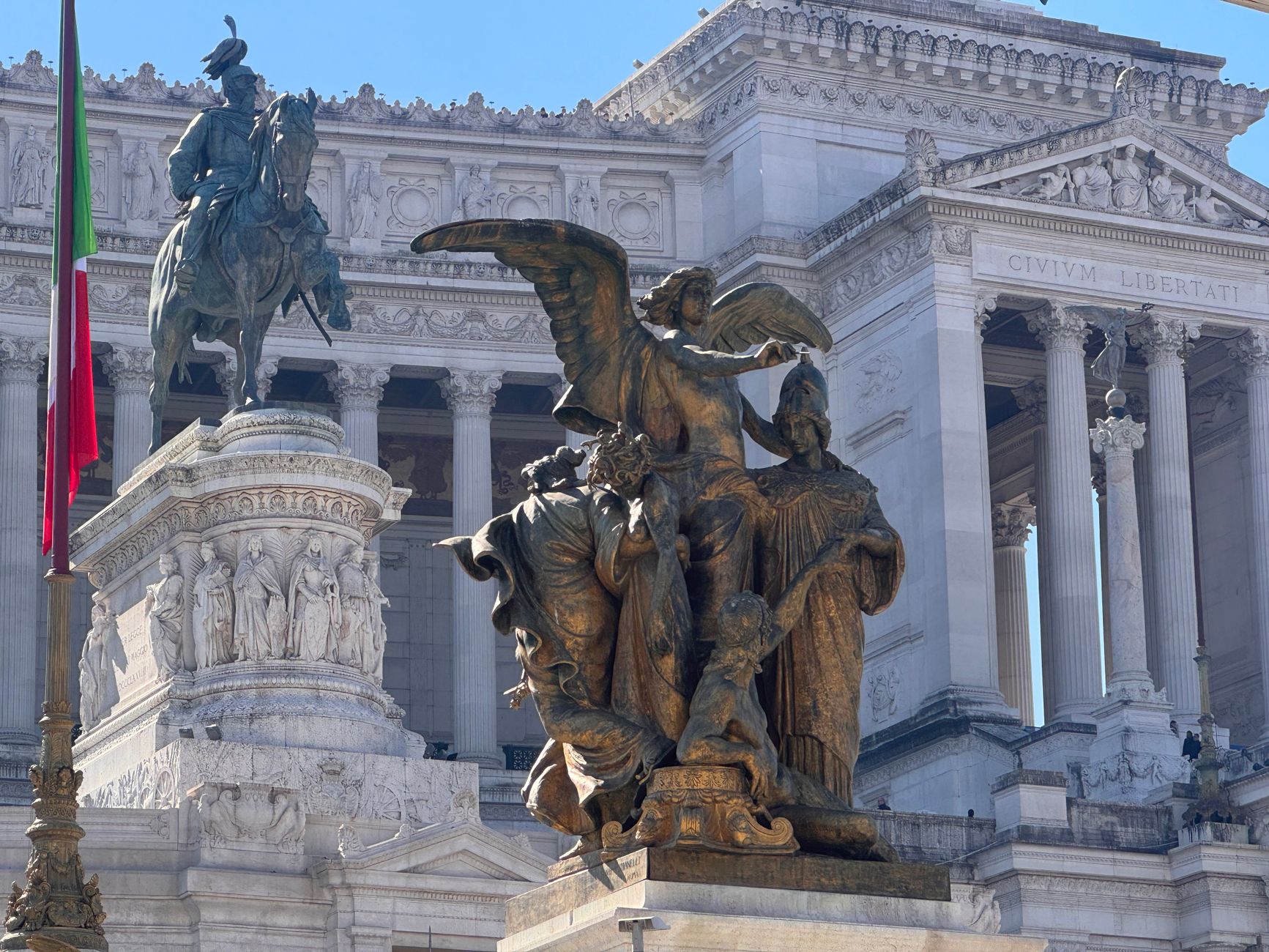
Sardinian Pioneers of Italian Autonomy
Sardinian activists fought for autonomy after World War II. Led by Giovanni Battista Melis, they achieved their goal. This paved the way for Italian autonomy.

Photo by Babak Habibi on Pexels
The Sardinian Activists Who Paved the Way for Italian Autonomy On April 10, 1948, Sardinian activist and politician, Giovanni Battista Melis, stood in the Italian parliament, advocating for the island's autonomy. In the city of Cagliari, Sardinia, a group of dedicated activists had been working tirelessly since the end of World War II to achieve this goal. Historian Francesco Cesare Casula notes that these activists played a crucial role in shaping the region's future.
What Everyone Knows
The standard story goes that Italy's autonomous regions were created as a result of a gradual and peaceful process. Most people think that the country's post-war constitution, which came into effect on January 1, 1948, was the sole driving force behind the creation of these regions. However, this narrative overlooks the significant contributions of Sardinian activists who pushed for autonomy in the years leading up to the constitution's implementation.
What History Actually Shows
Historian Manlio Brigaglia argues in his book "Storia della Sardegna" that Sardinian activists were instrumental in securing autonomy for the region. On September 26, 1947, a group of Sardinian politicians, including Melis, met with the Italian government to negotiate the terms of autonomy. According to primary documents, such as the "Statuto Speciale della Sardegna", the Sardinian activists successfully secured a statute that granted the region a significant degree of autonomy, including control over its own economy and education system. This was a major achievement, considering that the Italian government had initially been hesitant to grant such autonomy. Sardinian historian, Girolamo Sotgiu, notes that the activists' efforts were influenced by the region's unique cultural and linguistic heritage, which had been suppressed by the Italian state for centuries. By 1949, the Sardinian autonomous region was officially established, with its own regional assembly and executive council. The activists' hard work had paid off, and their efforts would go on to inspire similar movements in other Italian regions.
The Part That Got Buried
Historians like Francesco Cesare Casula and politicians such as the former President of Sardinia, Mario Cheri, have actively contributed to the suppression of this story by focusing on more mainstream narratives of Italian unification. The Italian government also played a significant role in this suppression by prioritizing the promotion of a unified national identity over regional autonomy movements. As a result, the story of Sardinian activists has been relegated to the footnotes of history, with many Italians remaining unaware of the fact that Sardinia was the first autonomous region in Italy. This lack of awareness can be attributed to the deliberate decision to emphasize the role of national heroes like Giuseppe Garibaldi, while downplaying the contributions of regional activists. The educational system in Italy has also been criticized for its failure to adequately address the history of regional autonomy movements, further contributing to the erasure of this important chapter in Italian history.
The Ripple Effect
The creation of the first autonomous region in Italy had a direct impact on the development of regional autonomy movements across the country. The success of Sardinian activists inspired similar movements in other regions, such as Sicily and Trentino-Alto Adige. One specific modern consequence of this event is the establishment of the Sardinian Regional Council, which continues to play a crucial role in promoting the island's economic and cultural development. The council's efforts have led to significant investments in infrastructure, tourism, and education, benefiting the local population and contributing to the region's growth.
The Line That Says It All
The Sardinian activists' struggle for autonomy ultimately resulted in a region with significant self-governing powers, but still heavily dependent on central government funding.
A Note on Sources
This article draws on historical records, documented accounts, and academic research related to the history of Sardinia and the Italian autonomy movements.