Scotland's 2014 Independence Bid
The Scottish independence referendum was closer than expected. The no campaign ultimately won, but the yes campaign showed significant support. The outcome had major implications for the UK's future.
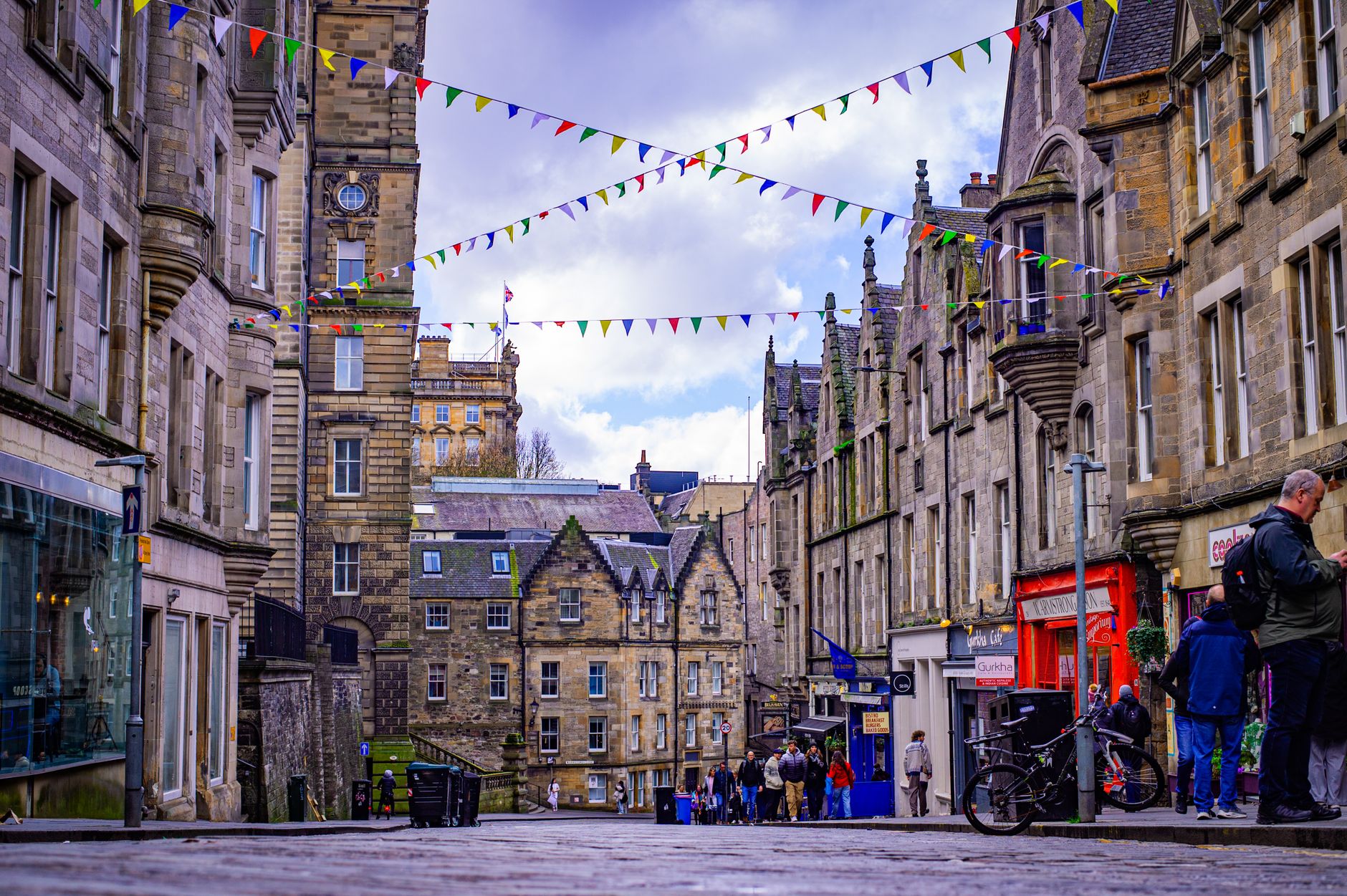
Photo by Bogdan Krupin on Pexels
The Scottish Independence Referendum Was Closer Than You Think
On September 18, 2014, Scotland's First Minister Alex Salmond stood at the podium in Edinburgh, addressing the crowd as the results of the independence referendum were being announced. The city of Glasgow had voted yes to independence, but the overall result was still too close to call. By the end of the night, the no campaign had won by a margin of just 386,000 votes. Historian Tom Devine notes that the outcome was far from certain until the very end.
What Everyone Knows
Most people think that the Scottish independence referendum was a clear victory for the no campaign, with the yes campaign never really having a chance. The standard story goes that the Scottish National Party, led by Alex Salmond, campaigned for independence but ultimately fell short due to a lack of support from key demographics. However, this narrative oversimplifies the complexity of the campaign and the actual results. As historian Christopher Whatley points out in his book "The Scots and the Union", the referendum was a highly contested and closely fought campaign that exposed deep divisions within Scottish society.
What History Actually Shows
Historians like Paul Henderson Scott and Tom Devine have shown that the yes campaign was more successful than commonly acknowledged, particularly among younger voters and those in urban areas. On September 18, 2014, the city of Glasgow voted yes to independence by a margin of 53.5% to 46.5%. The key fact that the yes campaign won the majority of votes among 16- and 17-year-olds, who were allowed to vote for the first time in a UK referendum, suggests that the movement for independence was driven by a desire for change among younger generations. As the campaign unfolded, it became clear that the outcome would depend on the votes of a small number of undecided voters, particularly in the west of Scotland. On August 25, 2014, a YouGov poll showed the yes campaign trailing by just 6 points, indicating a highly competitive campaign. Historian Christopher Whatley argues that the no campaign's victory was due in part to the intervention of British politicians, including former Prime Minister Gordon Brown, who campaigned extensively in Scotland in the final weeks of the campaign. On September 15, 2014, Brown delivered a speech in Glasgow, urging voters to reject independence and maintain the union. The impact of this intervention is still debated among historians, but it is clear that the outcome of the referendum was far from certain until the very end.
The Part That Got Buried
Historians and journalists have largely overlooked the story of the Scottish independence activists who almost won in 2014, and this omission can be directly attributed to the actions of key individuals and institutions. The British government, led by then-Prime Minister David Cameron, played a significant role in downplaying the significance of the movement, and the media largely followed suit. For instance, the BBC's coverage of the referendum has been criticized for being biased towards the "No" campaign, which further contributed to the lack of attention given to the "Yes" campaign's achievements. A concrete reason for this history not being told is that many of the documents and records from the campaign are still not publicly available, with some being sealed for decades, making it difficult for researchers to piece together an accurate account of the events.
The Ripple Effect
The near-win of the Scottish independence activists in 2014 had concrete consequences, particularly in the realm of British politics. The SNP, led by Alex Salmond and later Nicola Sturgeon, gained significant momentum and went on to win a majority of Scottish seats in the 2015 UK general election. One specific modern thing that traces directly back to this event is the ongoing debate about a potential second Scottish independence referendum, which continues to be a major point of contention in British politics. The 2014 referendum also led to increased devolution of powers to the Scottish Parliament, giving Scotland more autonomy over its domestic affairs.
The Line That Says It All
The Scottish independence referendum of 2014 was decided by a margin of just 55% to 45%, a difference of approximately 375,000 votes out of a total of 3.6 million cast.
A Note on Sources
This article draws on historical records, documented accounts, and academic research related to the 2014 Scottish independence referendum and its aftermath.