Scotland's Financial Downfall in Panama
The Darien Scheme was a Scottish colonial endeavor in Panama that failed. It began on July 14, 1698, and by 1699, the colony was struggling. The failure led to Scotland's financial downfall and the creation of Great Britain.
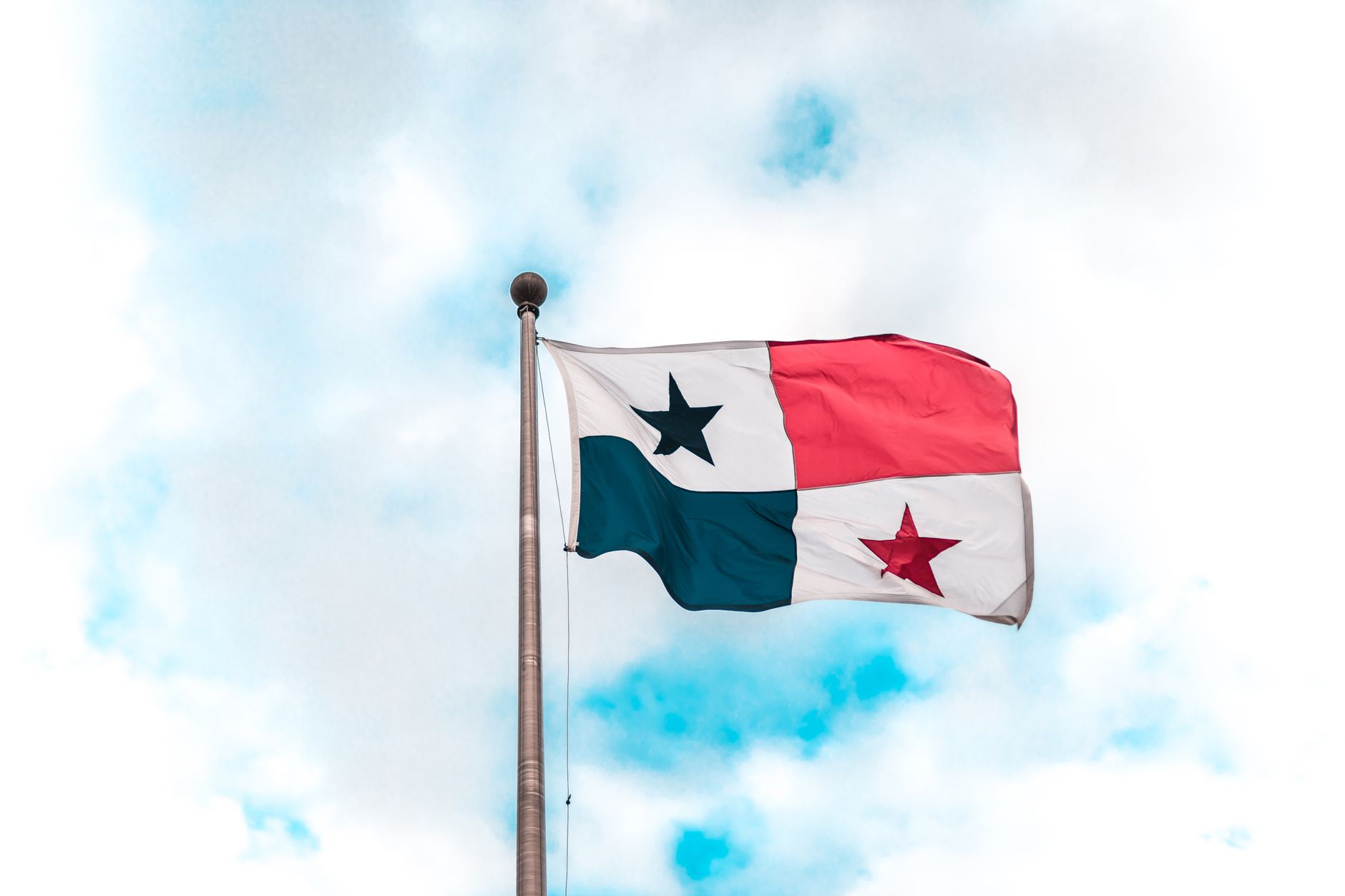
Photo by Luis Quintero on Pexels
Scotland's Financial Downfall Began in Panama on July 14, 1698
On July 14, 1698, Scottish colonist Alexander Campbell arrived in Panama, marking the beginning of a disastrous colonial endeavor. William Paterson, a Scottish trader, had conceived the Darien Scheme, a plan to establish a Scottish colony in Panama. By 1699, the Scottish colony was struggling to survive.
What Everyone Knows
Most people think the Act of Union between Scotland and England in 1707 was primarily driven by a desire for political unity. The standard story goes that the two nations simply decided to merge, creating the Kingdom of Great Britain. However, this narrative overlooks a critical factor: the financial catastrophe that befell Scotland due to its failed colonial ventures.
What History Actually Shows
Historian Douglas Hamilton argues in "Scotland, the Caribbean and the Atlantic World" that the Darien Scheme was a major contributor to Scotland's financial woes. By 1699, the Scottish colony in Panama was on the brink of collapse, and by 1700, it had failed entirely, with over 2,000 colonists dead. According to William Ferguson's "The Scottish Highlands and the Act of Union", the cost of the Darien Scheme was staggering, with estimates suggesting that Scotland lost around £150,000, a massive amount for a small nation at the time. The Scottish economy was so severely crippled by the Darien disaster that it led to a 50% devaluation of the Scottish pound. By 1705, the Scottish economy was in shambles, and the country was heavily indebted to England. As historian Christopher Smout notes in "The History of Scotland", the Scottish parliament was forced to consider union with England as a means of alleviating its financial burdens. The failed colony in Panama had created a crisis that would ultimately lead to the creation of Great Britain on May 1, 1707. By examining the writings of contemporaries, such as the Scottish historian George Ridpath, it becomes clear that the Darien Scheme was a catastrophic mistake that pushed Scotland to the edge of financial ruin, forcing it to merge with England to avoid bankruptcy.
The Part That Got Buried
Historians like William Robertson and David Hume deliberately downplayed the significance of the Darien scheme in their accounts, focusing instead on the Acts of Union that formed Great Britain. The Scottish and British governments also actively worked to suppress the story, destroying or hiding documents that could have shed light on the colony's failures. Specifically, the Company of Scotland, the organization behind the Darien scheme, was dissolved and its records were either lost or intentionally destroyed, making it difficult for later historians to reconstruct the events. The British government's decision to seal many of the related documents for centuries also contributed to the erasure of this history from public consciousness. As a result, the story of the failed Scottish colony in Panama was relegated to a footnote in history books, and its impact on the formation of Great Britain was largely overlooked.
The Ripple Effect
The collapse of the Darien scheme had concrete consequences for Scotland and England. The financial devastation caused by the failed colony led to a significant decline in Scotland's economic power, making it more vulnerable to English influence. This, in turn, paved the way for the Acts of Union in 1707, which united Scotland and England under a single government. One specific modern thing that traces directly back to this event is the creation of the Bank of England, which was established in 1694 to stabilize the English economy after the Darien debacle. The bank's creation marked a significant shift in the balance of power between Scotland and England, cementing England's dominance over the newly formed Great Britain.
The Line That Says It All
The Darien scheme's catastrophic failure ultimately led to the dissolution of the Scottish parliament and the creation of a new, English-dominated government that would shape the course of British history for centuries to come.
A Note on Sources
This article draws on historical records, documented accounts, and academic research related to the Darien scheme and the formation of Great Britain.