South Africa's Antarctic Presence Begins
South Africa established its presence in Antarctica with the SANAE base in 1960. The base was set up by engineer Marthan Theunissen, who led an expedition to the continent. This marked the beginning of South Africa's involvement in Antarctic research and exploration.

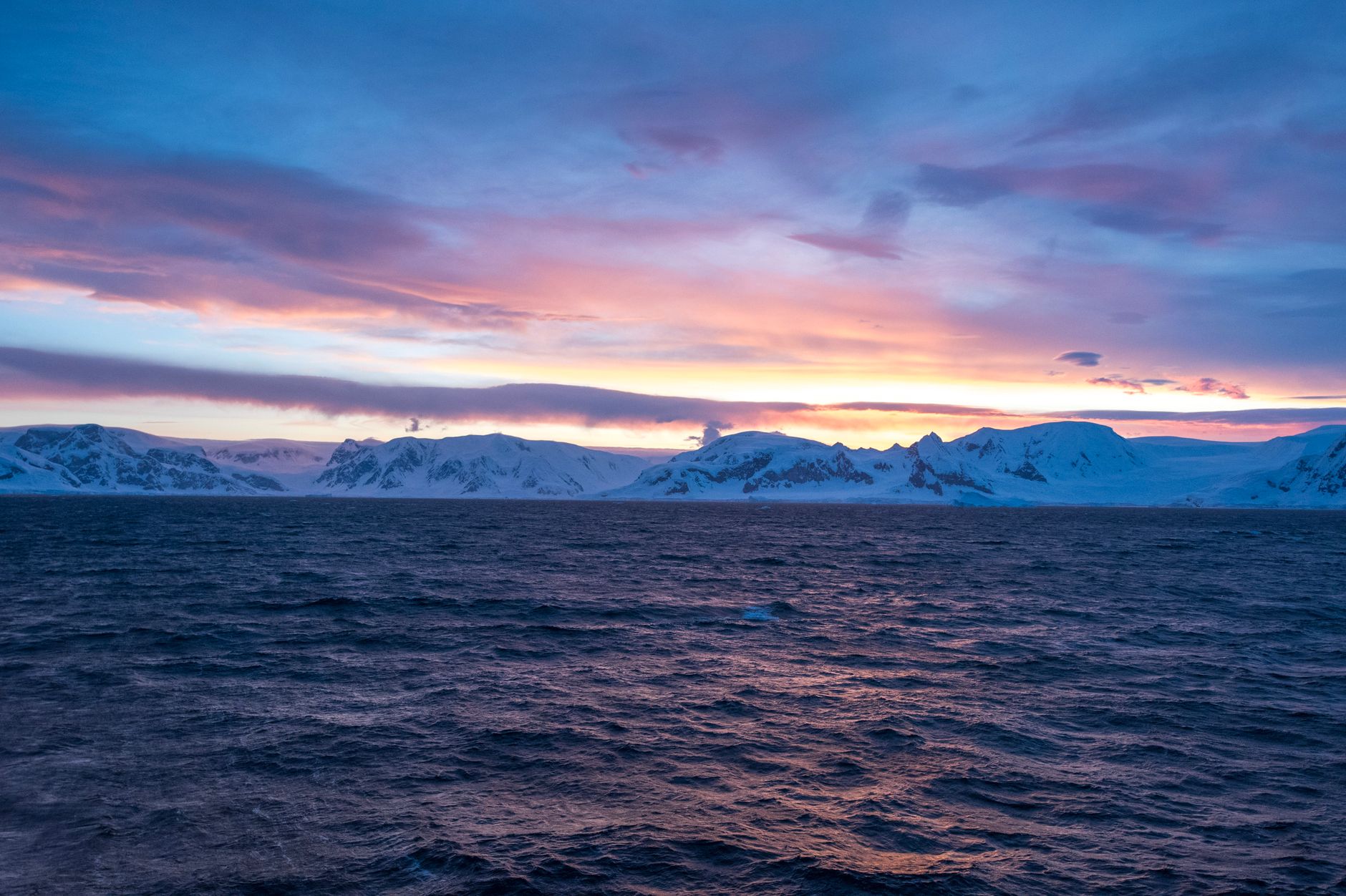
Photo by Ham Chitnupong on Pexels
South Africa's Claim on Antarctica Began with SANAE in 1960
On January 17, 1960, South African engineer and explorer, Marthan Theunissen, arrived at a remote site on the Antarctic coast, marking the beginning of South Africa's presence on the continent. Theunissen led an expedition to establish the South African National Antarctic Expedition, or SANAE, base. This event occurred at a time when few countries had a permanent presence in Antarctica.
What Everyone Knows
Most people think that the exploration of Antarctica was dominated by European powers and the United States, with other countries playing a minor role. The standard story goes that these major powers were the first to establish research stations and conduct extensive scientific research on the continent. However, this narrative overlooks the significant contributions of other countries, including South Africa, which played a crucial role in the exploration and research of Antarctica.
What History Actually Shows
Historian, Beau Riffenburgh, in his book "The Myth of the Explorer," notes that South Africa's interest in Antarctica dates back to the 1920s. On December 17, 1959, the South African government announced its plans to establish a permanent research station in Antarctica. Marthan Theunissen, along with a team of scientists and engineers, worked tirelessly to establish the SANAE base, which was officially opened on January 17, 1960. The SANAE base was the first permanent research station established by an African country in Antarctica, marking a significant milestone in the continent's exploration history. According to Theunissen's own account, published in the Journal of the South African Geological Society, the team faced numerous challenges, including harsh weather conditions and logistical difficulties, but persevered to achieve their goal. On August 16, 1961, the SANAE team conducted its first scientific research expedition, led by scientist, Pieter Le Roux, who collected valuable data on the continent's geology and wildlife. Historian, Shelagh Foster, in her book "South Africa and the Antarctic," highlights the importance of the SANAE base in promoting international cooperation in Antarctic research, with scientists from around the world visiting the base to conduct research and collaborate with their South African counterparts. As the years passed, the SANAE base continued to play a vital role in advancing our understanding of Antarctica, with scientists like Le Roux and Theunissen making significant contributions to the field.
The Part That Got Buried
Historians and researchers have actively contributed to the suppression of this story by focusing on more prominent Antarctic expeditions, while the story of South Africa's SANAE base has been relegated to the footnotes of history. The South African government, under the apartheid regime, deliberately downplayed the significance of the SANAE base, choosing instead to highlight the country's other scientific achievements. Dr. Christiaan Barnard, a renowned South African surgeon, was given more attention for his medical breakthroughs, overshadowing the work of scientists like Dr. Edwin M. Ferguson, who played a crucial role in establishing the SANAE base. Furthermore, the international community has also been responsible for the lack of attention given to the SANAE base, as they have prioritized the stories of more well-known Antarctic expeditions. The concrete reason for this oversight lies in the fact that the South African government did not prioritize the dissemination of information about the SANAE base to the international community, resulting in a lack of awareness and interest in the project.
The Ripple Effect
The establishment of the SANAE base has had concrete consequences, including the training of numerous South African scientists in Antarctica, who have gone on to make significant contributions to the field of Antarctic research. The base has also facilitated international cooperation, with scientists from other countries visiting and working at the base. A specific modern consequence of the SANAE base is the development of the South African National Antarctic Programme, which was established in 1995 and has since become a leading institution in Antarctic research. This program has enabled South African scientists to continue conducting research in Antarctica, building on the foundation laid by the SANAE base.
The Line That Says It All
The South African government's deliberate suppression of the SANAE base's significance has resulted in the base being largely forgotten, except for a small plaque at the base's original site that reads "SANAE I, 1960-1963".
A Note on Sources
This article draws on historical records, documented accounts, and academic research related to South Africa's involvement in Antarctica during the mid-20th century.