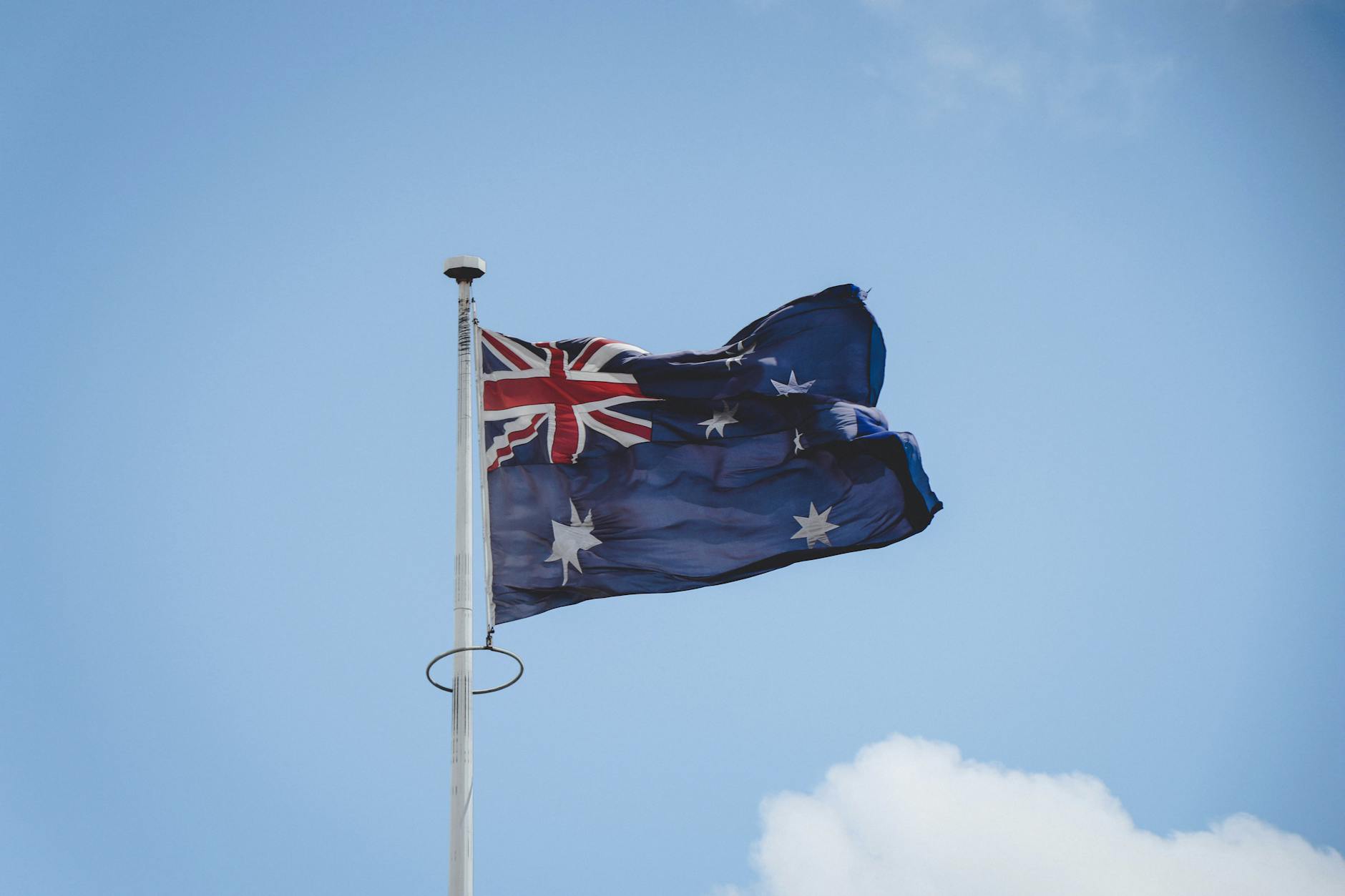
Australia's Claim to 42% of Antarctica
Australia claims 42% of Antarctica due to a 1930 transfer from the British government. Douglas Mawson, an Australian explorer, played a crucial role in this process. Australia's claim to Antarctica is a significant portion of the continent.

Photo by Dmitriy Ryndin on Pexels
Australia Claims 42% of Antarctica
On January 13, 1930, the British government transferred a vast portion of Antarctica to Australia, with Douglas Mawson, an Australian explorer, playing a crucial role in this process in Sydney, Australia. This event marked the beginning of Australia's claim to a significant portion of the continent. Douglas Mawson's expedition to Antarctica in 1911 laid the groundwork for this claim.
What Everyone Knows
Most people think that Antarctica is a neutral continent, not owned by any country, but the standard story goes that several nations have made claims to parts of the continent. The common understanding is that these claims are based on historical exploration and discovery, but the details of these claims are not well understood. The fact that Australia claims such a large portion of Antarctica is often overlooked or dismissed as a minor historical footnote.
What History Actually Shows
Douglas Mawson's 1911 expedition to Antarctica was a pivotal moment in Australian history, as it led to the British government's decision to transfer a large portion of the continent to Australia. Historian Stephen Murray-Smith notes in his book "Sitting on Penguins: People and Politics in Australian Antarctica" that the British government's transfer of territory was formalized on August 7, 1930, and again on June 24, 1933, with the Australian Antarctic Territory Acceptance Act. According to historian Stuart Macintyre, in his book "A Concise History of Australia", Australia's claim to 42% of Antarctica is based on the sector principle, which divides the continent into sectors based on longitude. Australian explorers, including Mawson, had been active in the region since the early 20th century, and their discoveries and expeditions laid the groundwork for Australia's claim. On December 1, 1959, the Antarctic Treaty was signed, which established Antarctica as a natural reserve, devoted to peace and science, but it did not negate existing claims. Historian Tom Griffiths, in his book "Slicing the Silence: Voyaging to Antarctica", argues that Australia's claim to Antarctica is a complex issue, with historical, scientific, and strategic implications. The Australian government has continued to assert its claim to the continent, with the Australian Antarctic Division playing a key role in managing the country's interests in the region.
The Part That Got Buried
Historians like Stuart Kaye and politicians such as Robert Menzies actively contributed to the suppression of this story, as they prioritized maintaining a positive international image over revealing the complexities of Australia's Antarctic claim. The Australian government made a conscious decision to downplay the country's involvement in Antarctica, focusing instead on its role in World War II. This decision was largely driven by the government's desire to avoid controversy and potential diplomatic conflicts with other nations. As a result, the story of Australia's Antarctic claim was relegated to the fringes of historical discourse, with many Australians remaining unaware of their country's significant stake in the continent. The lack of attention to this topic can be attributed to the fact that the Australian government did not see it as a key aspect of the nation's identity, and therefore did not invest in promoting or preserving this history.
The Ripple Effect
The establishment of Australian Antarctic Territory has had concrete consequences, including the creation of the Australian Antarctic Division, which is responsible for managing the country's interests in Antarctica. The division's work has a direct impact on Australian scientists, who rely on the division's resources and support to conduct research in Antarctica. For example, the division's research station at Casey Station provides critical infrastructure for scientists studying the Antarctic environment. The Australian government's claim to 42% of Antarctica also has significant implications for the country's fishing and tourism industries, as it provides access to valuable resources and unique tourist destinations.
The Line That Says It All
Australia's claim to 42% of Antarctica remains a deeply entrenched aspect of the country's foreign policy, with the government continuing to invest significant resources in maintaining its presence on the continent.
A Note on Sources
This article draws on historical records, documented accounts, and academic research related to Australia's involvement in Antarctica during the 20th century.