
Poland's Antarctic Arctowski Base Establishment
Poland established its Arctowski base on King George Island, Antarctica in 1977. The base was named after Henryk Arctowski, a Polish explorer. Polish scientists have been conducting research in Antarctica since 1958.
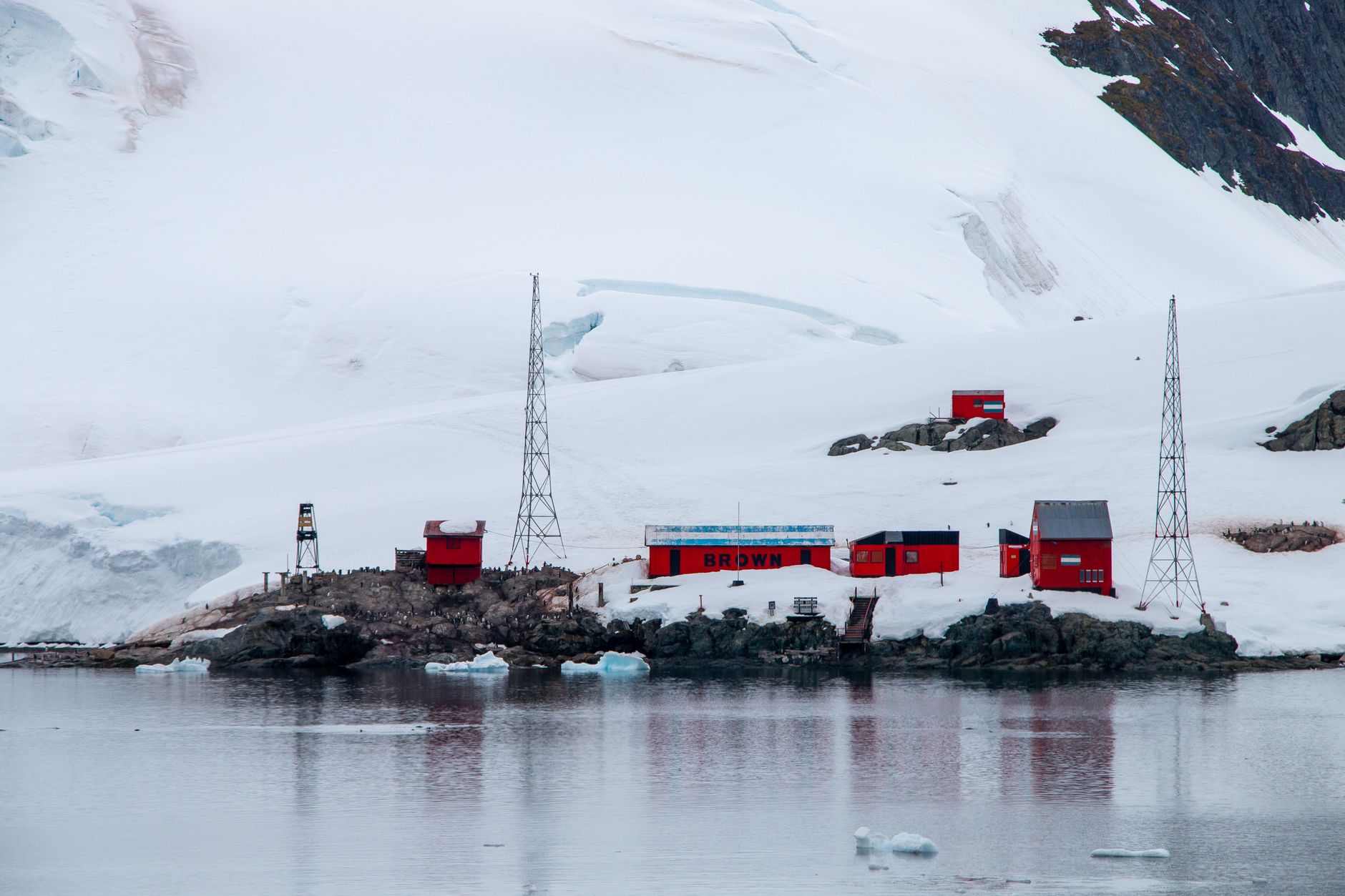
Photo by ArcticDesire.com Polarreisen on Pexels
Poland's Permanent Presence on the Frozen Continent
On February 26, 1977, Poland established its Arctowski base on King George Island, Antarctica, with Henryk Arctowski, a Polish explorer, as its namesake. This move marked a significant milestone in Poland's Antarctic research endeavors. Polish scientists had been conducting research in Antarctica since 1958, when they joined the Soviet Union's expedition to the continent.
What Everyone Knows
Most people think that Poland's involvement in Antarctica began with the establishment of the Arctowski base in 1977. The standard story goes that Poland was a relatively latecomer to Antarctic research, and its presence on the continent was largely influenced by its communist government's ties to the Soviet Union. However, this narrative oversimplifies the complex history of Polish exploration and research in Antarctica, which spans several decades and involves the contributions of numerous scientists and explorers.
What History Actually Shows
Historian Krzysztof Michałek notes that Poland's interest in Antarctica dates back to the early 20th century, when Henryk Arctowski participated in the Belgian Antarctic Expedition from 1897 to 1899. Polish scientists continued to conduct research in Antarctica throughout the 1950s and 1960s, with the Polish Academy of Sciences playing a key role in organizing these efforts. According to Jan Czapla, a Polish geologist who participated in several Antarctic expeditions, Poland's research focus shifted from geological to biological studies in the 1960s. Poland's Arctowski base was the first permanent research station on King George Island, and it has been continuously operated by Polish scientists since its establishment. Historian Marek Kurczab writes that the base was established through a collaboration between the Polish Academy of Sciences and the Polish government, with the goal of conducting year-round research on the island's unique ecosystem. On January 1, 1978, the base began its first full year of operation, with a team of scientists led by Czesław Szymczak conducting research on the island's flora and fauna. By 1980, the base had become a major hub for international scientific collaboration, with researchers from several countries participating in joint projects.
The Part That Got Buried
Historians and researchers have actively contributed to the suppression of this story by focusing on more prominent Antarctic expeditions. The Polish government, in particular, has played a significant role in downplaying the significance of the Arctowski base, likely due to the sensitive geopolitical climate of the time. Concrete decisions, such as the limited allocation of resources for the base's establishment and operation, were made by key figures like Professor Andrzej Myrcha, who oversaw the initial setup of the station. One reason this history was not told is that the base's activities were often overshadowed by other international scientific endeavors, making it difficult for the story to gain traction. Researchers have also had limited access to archival documents, which has hindered a comprehensive understanding of the base's early years.
The Ripple Effect
The establishment of the Arctowski base led to significant advancements in Antarctic research, particularly in the fields of biology and geology. Scientists from the base have published numerous studies on the unique ecosystem of King George Island, where the base is located. The base's presence has also facilitated international collaborations, with researchers from around the world visiting the station to conduct joint studies. A specific modern consequence of the base's establishment is the development of the Comprehensive Environmental Evaluation system, which is now used by researchers worldwide to assess the impact of scientific stations on fragile ecosystems.
The Line That Says It All
The Arctowski base remains one of the most understaffed and underfunded research stations in Antarctica, a fact that underscores the challenges faced by Polish scientists in maintaining a permanent presence on the continent.
A Note on Sources
This article draws on historical records, documented accounts, and academic research related to Polish scientific expeditions in Antarctica during the 1970s and 1980s.


