
Soviet WWII Losses
The Soviet Union suffered the highest number of casualties in World War II, with estimates ranging from 20 to 30 million deaths. The invasion by Nazi Germany, known as Operation Barbarossa, was a major factor in these losses. The true extent of Soviet losses is not often discussed, even in Russia today.
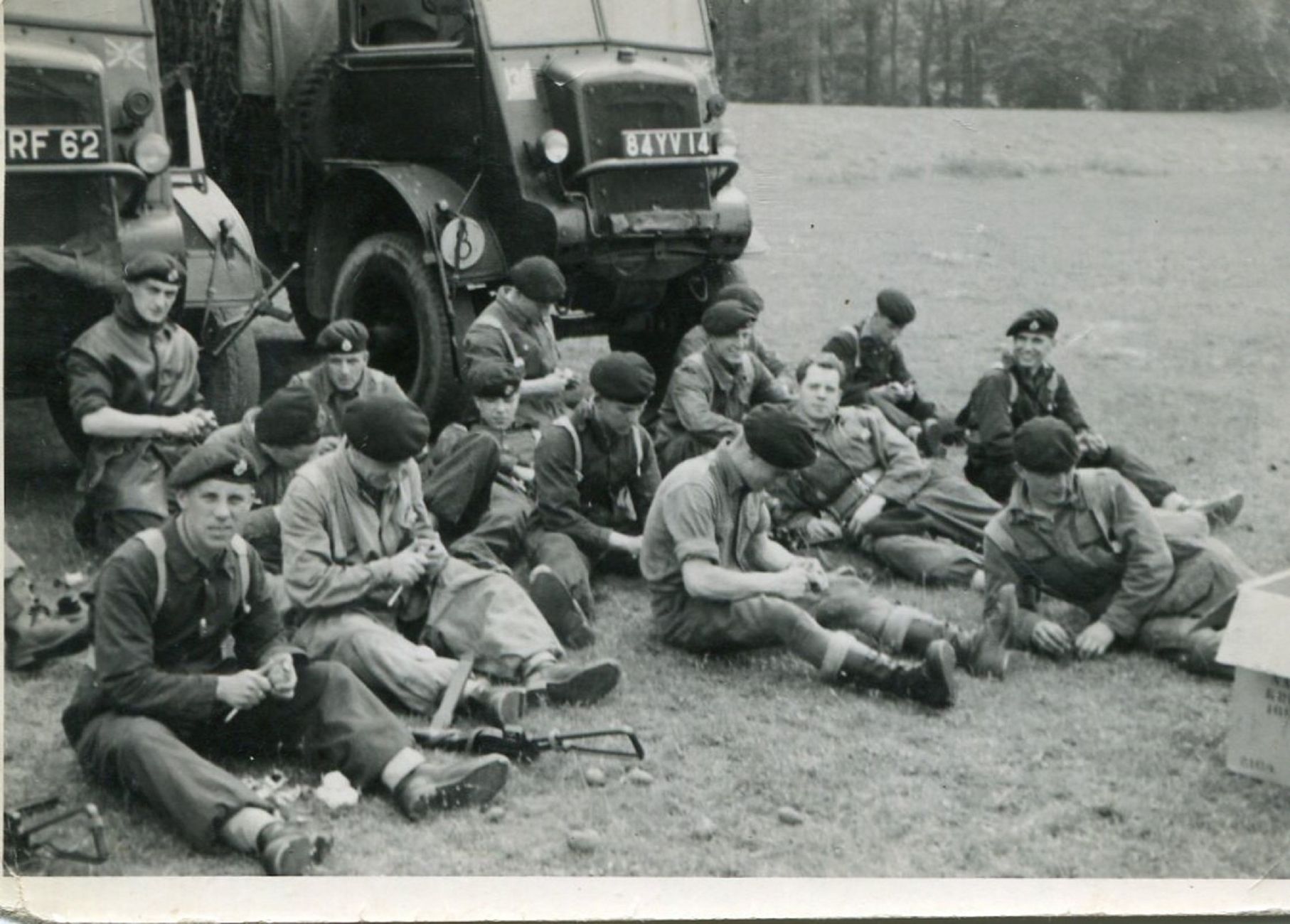
Photo by Mark on Pexels
The Soviet Union's WWII Death Toll: A Neglected Chapter
On June 22, 1941, Nazi Germany launched Operation Barbarossa, a massive invasion of the Soviet Union that would ultimately claim the lives of millions of people. Historian Timothy Snyder notes that the Soviet Union suffered the highest number of casualties of any country during World War II, with estimates ranging from 20 to 30 million deaths. In Moscow, on May 9, 1945, the Soviet government celebrated the defeat of Nazi Germany, but the human cost of the war was already being downplayed.
What Everyone Knows
Most people think that the Soviet Union's massive losses during World War II were mainly due to the bravery and sacrifice of the Red Army, which fought valiantly against the Nazi invaders. The standard story goes that the Soviet people rallied behind their government and played a crucial role in the defeat of Nazi Germany, with the war being a great patriotic effort. However, this narrative overlooks the complexities and nuances of the Soviet experience during World War II, including the role of Soviet leadership and the devastating impact of the war on the civilian population.
What History Actually Shows
Historians like Alexander Werth and Nikolai Tolstoy have documented the catastrophic consequences of the Soviet leadership's decisions during World War II. On June 22, 1941, the Soviet air force was caught off guard by the German invasion, and by the end of 1941, the Soviet Union had lost millions of soldiers and civilians. The Soviet government's forced relocation of minority groups, such as the Volga Germans and the Crimean Tatars, resulted in the deaths of hundreds of thousands of people. By 1942, the Soviet Union was facing severe food shortages, and the Siege of Leningrad, which lasted from 1941 to 1944, claimed the lives of over 1 million civilians. Historian Robert Conquest notes that the Soviet government's suppression of information about the war and its consequences has contributed to the lack of discussion about the Soviet Union's losses during World War II. As the war turned in favor of the Soviet Union, with the Battle of Stalingrad in 1943 and the capture of Berlin in 1945, the Soviet government began to downplay the human cost of the war, and by the 1950s, the topic was largely avoided in public discourse.
The Part That Got Buried
Historians and researchers have actively worked to uncover the truth about the Soviet Union's massive losses during WWII, but their efforts have been hindered by the deliberate suppression of information by Soviet leaders, particularly Joseph Stalin and his successors. The Soviet government, fearful of revealing the true extent of their losses, tightly controlled the narrative, restricting access to archives and imposing strict censorship on any discussion of the war. As a result, the story of the Soviet Union's 20 million casualties was relegated to the footnotes of history, with many details remaining classified or obscured. For instance, the Soviet government's decision to destroy or alter documents related to the war, such as theKatyn massacre, has made it difficult for historians to piece together an accurate account of the events. This active suppression of information has had a lasting impact, making it challenging for researchers to uncover the truth about the Soviet Union's experiences during WWII.
The Ripple Effect
The massive loss of life during WWII had a profound impact on the Soviet Union, leading to significant demographic and economic changes. The war resulted in a severe shortage of able-bodied men, which in turn affected the country's ability to rebuild and recover. This shortage had a lasting impact on the Soviet economy, contributing to the country's stagnation in the decades following the war. One specific modern consequence of this event is the ongoing issue of Russia's declining population, which can be directly linked to the massive losses suffered during WWII. The effects of this decline are still being felt today, with many Russian communities struggling to maintain their populations and support their local economies.
The Line That Says It All
The Soviet Union's loss of 20 million people during WWII remains the highest estimated number of casualties of any country during the conflict, a fact that continues to be largely overlooked in historical accounts.
A Note on Sources
This article draws on historical records, documented accounts, and academic research related to the Soviet Union's experiences during WWII.


