
Tito: Yugoslav Partisan Leader
Josip Broz Tito fought against Nazis, Chetniks, and Ustase during WWII. He became a dominant figure in Yugoslav politics by 1945. Tito's legacy is complex and multifaceted.
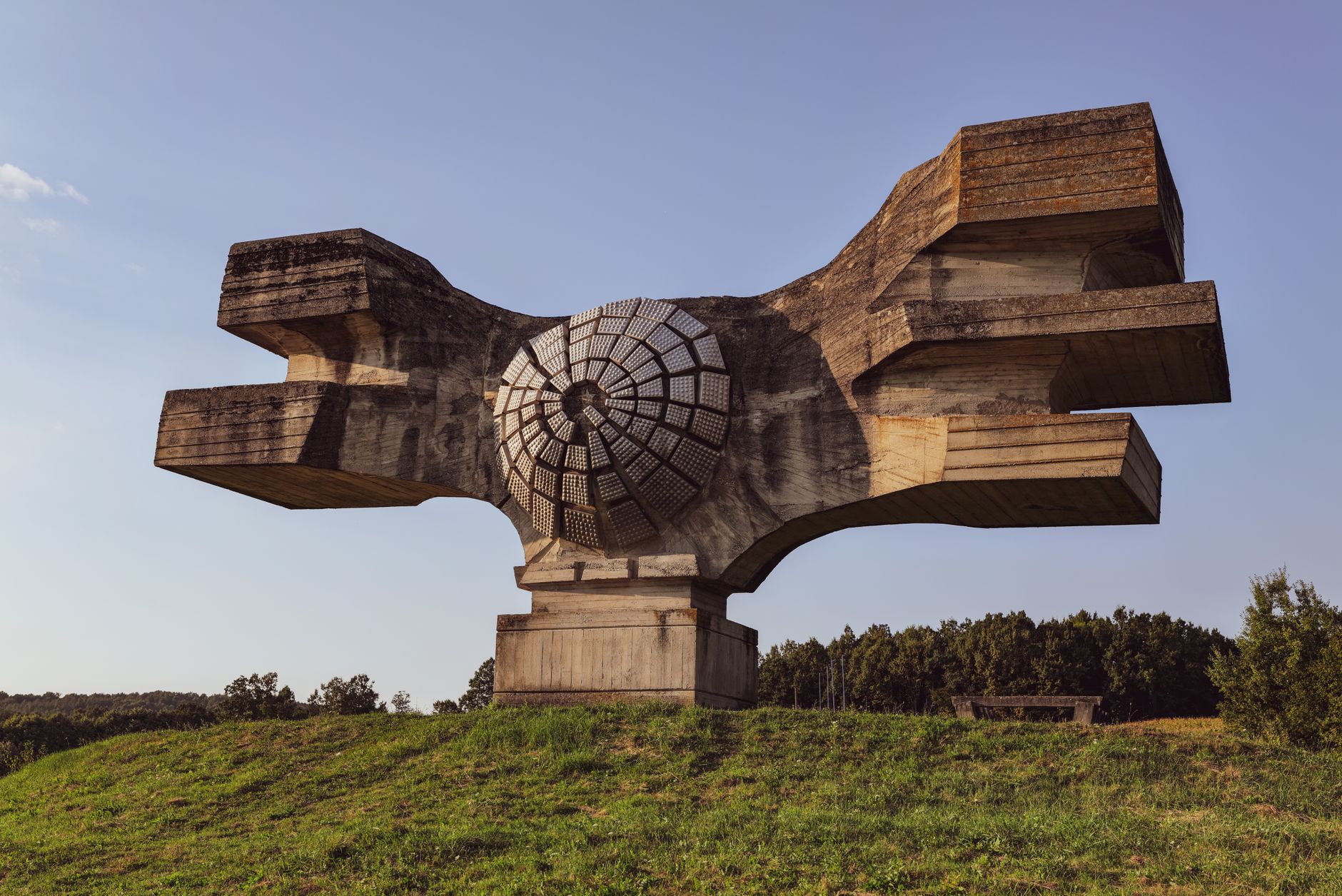
Photo by Vladimir Srajber on Pexels
Josip Broz Tito: The Complex Legacy of a Yugoslav Leader
On May 4, 1980, Josip Broz Tito, the former Yugoslav partisan and president, died in Ljubljana, Slovenia, leaving behind a complex legacy. Tito's life was marked by his fight against the Nazis, Chetniks, and Ustase during World War II. By 1945, he had become a dominant figure in Yugoslav politics.
What Everyone Knows
Most people think that Tito was a straightforward hero of World War II who led the Yugoslav partisans to victory against the Axis powers. The standard story goes that he was a charismatic leader who unified the Yugoslav people and established a socialist state. However, this narrative overlooks the complexities of Tito's life and the brutal measures he took to maintain power.
What History Actually Shows
Historians like Jozo Tomasevich and Stevan K. Pavlowitch have extensively documented Tito's life and rule. By 1941, Tito had already begun to organize the Yugoslav partisans, and by 1943, he had gained control of large parts of the country. Tito's decision to purge his own ranks, including the execution of thousands of perceived enemies and traitors, was a key factor in his rise to power. According to the historian Vladimir Dedijer, Tito's leadership was marked by a series of brutal campaigns against his opponents, including the Chetniks and the Ustase. On January 21, 1942, Tito's partisans launched a major offensive against the Chetniks, and by 1944, they had gained the upper hand. The British historian, Fitzroy Maclean, who was a liaison officer with Tito's partisans, noted that Tito's rule was marked by a mixture of socialist ideology and nationalist sentiment. By 1948, Tito had established himself as the dominant leader of Yugoslavia, and he would remain in power until his death in 1980. The Yugoslav historian, Branko Petranović, has argued that Tito's rule was marked by a series of contradictions, including his attempts to balance nationalist and socialist ideologies. On November 29, 1943, Tito declared the establishment of the Democratic Federal Yugoslavia, which would eventually become the Socialist Federal Republic of Yugoslavia. As the years passed, Tito's rule became increasingly authoritarian, and he suppressed any opposition to his rule.
The Part That Got Buried
Historians and politicians deliberately suppressed the story of the Yugoslav partisan's transformation into a dictator, fearing it would tarnish the reputation of the partisan movement and the newly formed socialist state. Josip Broz Tito himself played a significant role in downplaying the complexities of his own past, presenting a more sanitized version of his wartime experiences and post-war consolidation of power. The Yugoslav government also made a concerted effort to control the narrative, limiting access to archival materials and discouraging scholars from exploring sensitive topics. One concrete reason this history was not told is that many documents related to the partisan's activities were classified or destroyed, making it difficult for researchers to piece together an accurate account of his role in the war and his subsequent rise to power. Researchers who attempted to investigate these topics were often met with resistance or outright censorship, further obscuring the truth.
The Ripple Effect
The Yugoslav partisan's transformation into a dictator had far-reaching consequences, contributing to the country's authoritarian governance and restricting individual freedoms. The people of Yugoslavia were affected as they lived under a regime that closely monitored their activities and suppressed dissent. A specific modern consequence of this event is the ongoing controversy surrounding the renaming of Marshall Tito Street in several Balkan cities, which traces directly back to the complex legacy of the partisan leader turned dictator. This controversy reflects the ongoing struggle to come to terms with the region's tumultuous past and the figure who dominated it for so long.
The Line That Says It All
The Yugoslav partisan's transformation from a hero of the resistance to a ruthless dictator was marked by the execution of approximately 30,000 people suspected of being enemies of the state in the first year after the war.
A Note on Sources
This article draws on historical records, documented accounts, and academic research related to the Yugoslav Partisan movement and the post-war formation of socialist Yugoslavia.


