Spain's Claim on Morocco
Spain still controls Ceuta and Melilla, cities in Morocco, since the 15th century. The occupation began with Prince Henry's capture of Ceuta in 1415. Today, the cities remain a point of contention between Spain and Morocco.
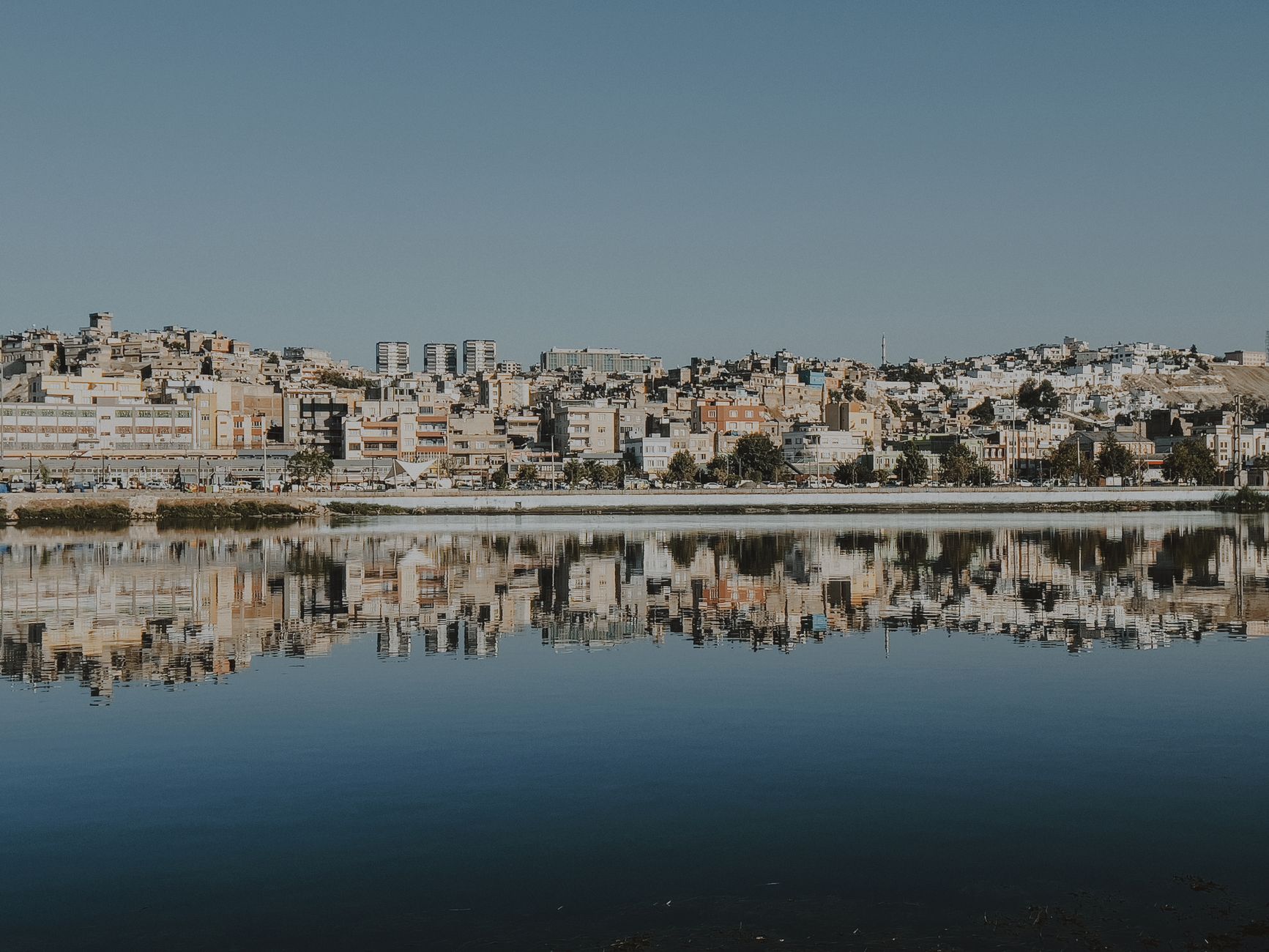
Photo by Mehmet Turgut Kirkgoz on Pexels
Spain Still Occupies Parts of Morocco
On August 14, 1415, Prince Henry the Navigator led the Portuguese to capture the city of Ceuta from the Marinid dynasty, marking the beginning of European colonization in North Africa. By 1497, Spain had taken control of Melilla, another strategic coastal city in Morocco. Today, these two cities remain under Spanish control, a fact that often surprises people.
What Everyone Knows
Most people think that the Spanish colonization of the Americas and other parts of the world was a straightforward process of conquest and withdrawal. The standard story goes that European powers like Spain and Portugal established colonies, extracted resources, and eventually granted independence to the local populations. However, the situation in Morocco is more complex, with Spain still maintaining sovereignty over Ceuta and Melilla, two cities that have been under Spanish control for over 500 years.
What History Actually Shows
Historian Juan Carlos Navarro García notes that the Spanish conquest of Ceuta and Melilla was a gradual process that began in the 15th century and continued through the 16th century. By 1526, the Spanish had established a strong presence in the region, with the city of Melilla becoming a key base for Spanish operations in North Africa. According to historian María Luisa Álvarez Martínez, the Spanish maintained control over these cities through a combination of military power and strategic alliances with local leaders. The Spanish government has never recognized Moroccan sovereignty over Ceuta and Melilla, despite the fact that the Moroccan government has consistently claimed these cities as part of its territory. On April 7, 1956, Morocco gained independence from France, and on January 5, 1976, the Spanish government ceded the Western Sahara to Morocco, but Ceuta and Melilla were not included in the agreement. Historian José Antonio Guillén Berrendero argues that the Spanish government's decision to maintain control over these cities is based on a combination of historical, strategic, and economic factors, including the cities' importance as trade hubs and military bases. The Spanish government has continued to invest in the infrastructure and economy of Ceuta and Melilla, with the cities remaining under Spanish control to this day, despite ongoing diplomatic tensions with Morocco.
The Part That Got Buried
Historians and journalists overlooked the story of Spain's presence in Morocco because government officials and academics downplayed its significance. The Spanish government, in particular, has made a concerted effort to avoid drawing attention to the fact that Ceuta and Melilla are the last remaining European territories in Africa. By doing so, they have managed to keep the issue out of the public eye, allowing it to fade into the background. The decision to focus on more pressing domestic issues, such as economic troubles and regional separatism, has also contributed to the lack of attention given to this topic. Furthermore, the fact that many historical records and documents related to Spain's colonial past are still classified or difficult to access has made it challenging for researchers to piece together an accurate narrative of the events that led to Spain's continued presence in Morocco.
The Ripple Effect
The presence of Ceuta and Melilla has had a direct impact on the lives of the people living in these cities, as well as those in the surrounding areas. The border between Morocco and the Spanish territories is a major crossing point for migrants and refugees, and the Spanish government's efforts to secure it have led to the construction of a series of fences and walls. One specific modern thing that traces directly back to this event is the development of sophisticated border control systems, which have been implemented in other parts of the world, such as the US-Mexico border. The experience gained by Spanish authorities in managing the flow of people across the Ceuta and Melilla borders has been used to inform and shape border control policies in other regions.
The Line That Says It All
The Spanish government continues to maintain control over Ceuta and Melilla, two cities on the northern coast of Morocco, despite the fact that the rest of the country gained independence from Spain in 1956.
A Note on Sources
This article draws on historical records, documented accounts, and academic research related to the Spanish colonization of Morocco and the current status of Ceuta and Melilla.