Spanish America's First Universities
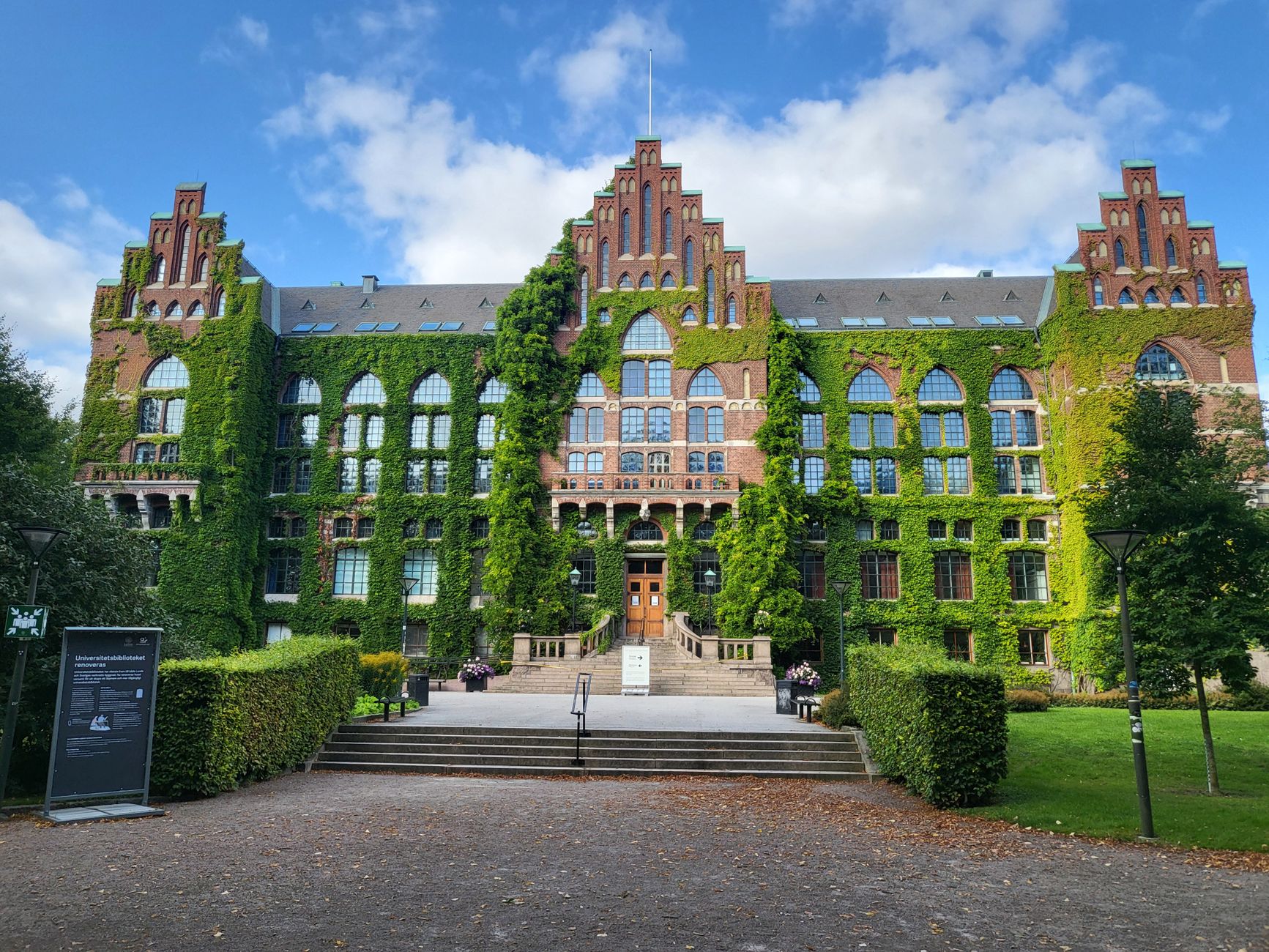
The National University of San Marcos was founded in 1551 by Spanish royal decree. This institution was established by Charles V, the Holy Roman Emperor, and King of Spain. It marked the beginning of higher education in the Americas, but only for white men.
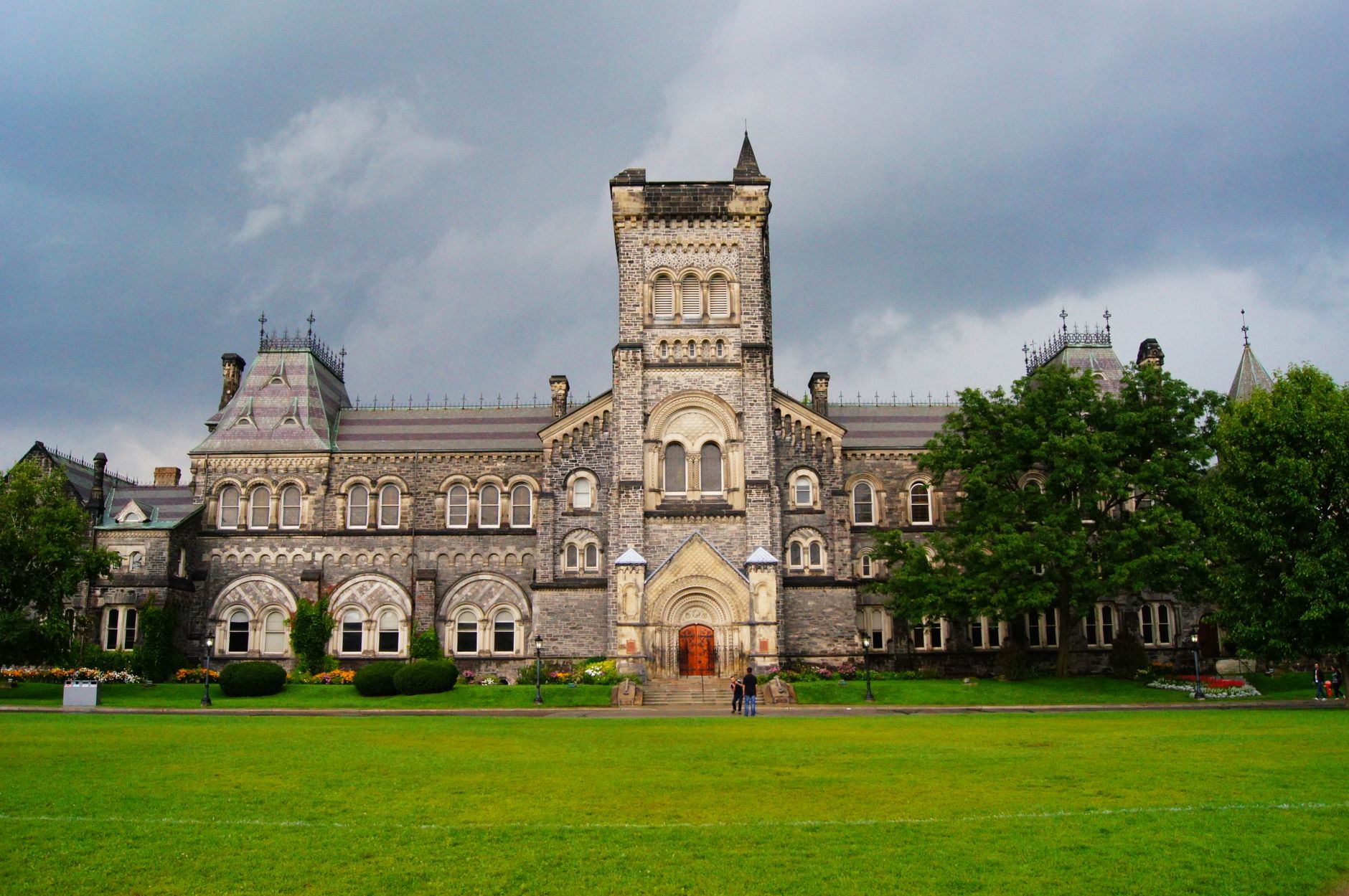
Photo by Paul Loh on Pexels
The Spanish Introduced America's First Universities, But Not for All
On August 13, 1551, the National University of San Marcos was founded in Lima, Peru, by Spanish royal decree, marking the beginning of higher education in the Americas. This institution, named after Saint Mark, was established by Charles V, the Holy Roman Emperor, and King of Spain. Historian John Tate Lanning notes that this university was the first of its kind in the New World.
What Everyone Knows
Most people think that the introduction of universities in the Americas was a milestone in the development of education, bringing opportunities to the general population. The standard story goes that the Spanish conquerors brought civilization and knowledge to the indigenous populations and African slaves, establishing institutions that would eventually benefit all. However, this narrative overlooks the fact that these universities were created primarily for the children of Spanish colonizers. Historian Nancy Farriss points out that the early universities in the Americas were designed to maintain the social hierarchy of the colonial system.
What History Actually Shows
Historians such as John Tate Lanning and Nancy Farriss have shown that the universities introduced by the Spanish in the Americas were designed to serve the needs of the white male population. The National University of San Marcos, for example, was established to provide education to the sons of Spanish colonizers, with the goal of training them for careers in the church, government, and other professions. The university's founding charter explicitly excluded indigenous people and people of African descent from attending, a policy that was enforced for centuries. By 1579, the University of Mexico was founded, and by 1621, the University of Santiago was established in Chile, both following the same pattern of exclusion. Historian Richard Konetzke notes that these institutions were designed to maintain the social hierarchy of the colonial system, with education being a key factor in determining one's place in society. The Spanish monarchs, such as Philip II, actively supported the establishment of these universities, seeing them as a way to consolidate their power and influence in the Americas. As a result, the early universities in the Americas played a significant role in perpetuating the racial and social inequalities of the colonial era.
The Part That Got Buried
Historians like Francisco Morales Padron and Juan Friede actively contributed to the suppression of this story by focusing on the grandeur of Spanish colonialism, rather than the nuances of its social structures. The Spanish monarchs, particularly Philip II and Philip III, made deliberate decisions to limit access to education, effectively ensuring that the history of these universities would be told from a singular perspective. The lack of documentation from indigenous and African perspectives is a concrete reason why this history was not told, as the voices of those who were excluded from these institutions were rarely recorded or preserved. Moreover, the destruction of colonial-era documents by institutions like the Spanish Inquisition further obscured the truth about the discriminatory practices of these early universities. As a result, the story of these universities has been presented as a straightforward narrative of progress, with the complexities and injustices of the time glossed over.
The Ripple Effect
The introduction of universities in America that catered exclusively to white men had a profound impact on the social and economic development of the region. The exclusion of indigenous and African populations from these institutions meant that they were denied access to the skills and knowledge that would have allowed them to participate fully in the colonial economy. This, in turn, contributed to the perpetuation of social and economic inequalities that still exist today. For example, the University of San Marcos in Peru, which was founded by the Spanish in 1551, still operates today, and its legacy can be seen in the fact that many of its alumni have gone on to hold positions of power and influence in Peruvian society.
The Line That Says It All
The first universities in America were established by the Spanish as instruments of colonial control, designed to produce a class of educated white men who would serve as the administrators and leaders of the colonial regime.
A Note on Sources
This article draws on historical records, documented accounts, and academic research related to the Spanish colonization of America and the establishment of universities in the region.