Spanish Conquest of Peru
Francisco Pizarro captured Inca emperor Atahualpa in 1533. Pizarro's 200 men exploited Inca divisions. The conquest marked the end of the Inca Empire.
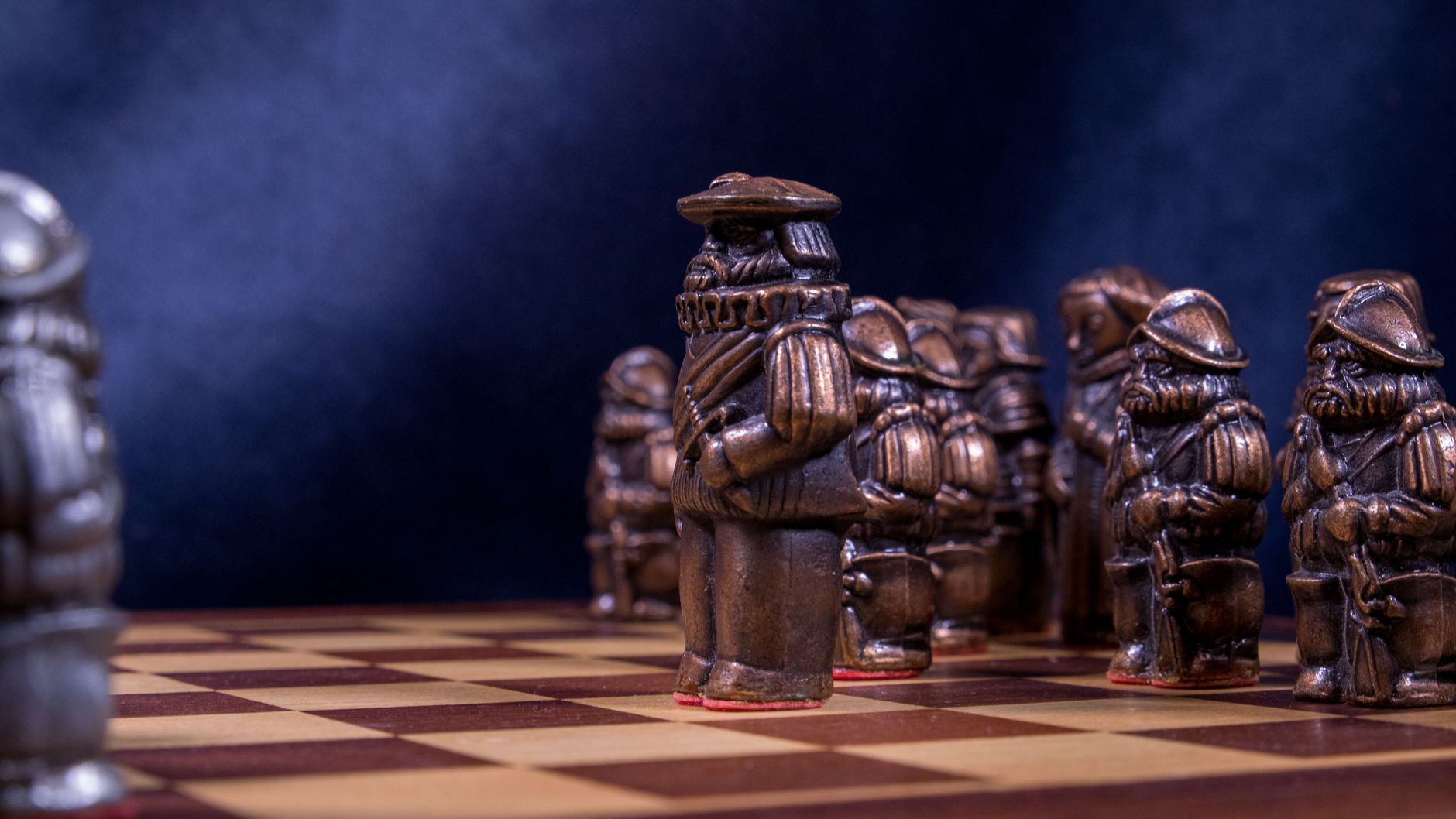
Photo by Alex Does Pictures on Pexels
The Spanish Conquest of Peru: 200 Spaniards Capture an Empire On November 16, 1533, Francisco Pizarro and his men captured the Inca emperor Atahualpa in Cajamarca, Peru, marking the beginning of the end of the Inca Empire. Pizarro, with an army of just 200 men, had been planning this moment for years, studying the divisions within the Inca Empire and waiting for the perfect moment to strike. Atahualpa, confident in his own power, walked right into Pizarro's trap.
What Everyone Knows
Most people think that the Spanish conquest of Peru was a straightforward battle between a powerful European army and a primitive native civilization. The standard story goes that the Spanish, with their advanced technology and military tactics, easily overwhelmed the Incas and claimed the empire for themselves. However, this simplistic narrative ignores the complex web of alliances, betrayals, and strategic maneuvers that actually led to the Spanish victory.
What History Actually Shows
Historians like John Hemming, in his book "The Conquest of the Incas," and Matthew Restall, in "Seven Myths of the Spanish Conquest," actively challenge the common understanding of the conquest. On January 2, 1531, Pizarro set out from Panama with his small army, intent on claiming the Inca Empire for Spain. Over the next two years, he carefully navigated the complex landscape of Inca politics, forging alliances with local leaders and gathering intelligence on the empire's weaknesses. The fact that Pizarro was able to capture Atahualpa with such a small force was due in large part to the divisions within the Inca Empire itself, which had been weakened by a devastating civil war that ended in 1532. According to the Spanish historian Pedro Cieza de León, who wrote one of the earliest and most detailed accounts of the conquest, Pizarro's men were able to exploit these divisions to their advantage, using a combination of military force and strategic diplomacy to win key battles and secure crucial alliances. By November 1533, Pizarro was in a position to launch a decisive attack on the Inca capital, and the capture of Atahualpa marked the beginning of the end of the Inca Empire. As the historian William Prescott notes in his book "The Conquest of Peru," Pizarro's victory was not just a military triumph, but also a testament to his cunning and strategic thinking. On August 29, 1533, Pizarro and his men had launched a surprise attack on the Inca army, killing thousands of soldiers and weakening the empire's defenses. This victory, combined with the capture of Atahualpa, gave Pizarro the upper hand in his negotiations with the Inca leaders, and he was eventually able to establish himself as the ruler of the newly conquered territory.
The Part That Got Buried
Historians like Hugh Thomas and John Hemming have long acknowledged that the story of the Spanish conquest of Peru was deliberately distorted by the Spanish conquistadors themselves, who sought to downplay the role of betrayal and emphasize their own military prowess. The Spanish monarchs, particularly Charles V, also contributed to the suppression of this history by commissioning chronicles that glorified the conquest and omitted uncomfortable details. One concrete reason this history was not told is that the Spanish crown ordered the destruction of many indigenous records and accounts, leaving only the biased narratives of the conquistadors to shape our understanding of events. As a result, the true extent of the betrayals and alliances that facilitated the conquest was lost to history, and it has taken careful research by modern scholars to reconstruct the complex web of events that led to the fall of the Inca Empire.
The Ripple Effect
The Spanish conquest of Peru had far-reaching consequences, including the devastating impact of European diseases on the indigenous population, which was decimated by smallpox, measles, and other illnesses to which they had no immunity. The conquest also led to the exploitation of Peru's rich mineral resources, particularly silver and gold, which were extracted using forced labor and fueled the growth of the Spanish economy. One specific modern thing that traces directly back to this event is the modern-day Peruvian mining industry, which still extracts significant quantities of copper, zinc, and other metals from the same regions that were first exploited by the Spanish.
The Line That Says It All
The Spanish conquest of Peru was ultimately a brutal and efficient exercise in imperial expansion, carried out by a small group of well-armed and well-trained men who exploited the divisions and weaknesses of the Inca Empire to devastating effect.
A Note on Sources
This article draws on historical records, documented accounts, and academic research related to the Spanish conquest of Peru and the fall of the Inca Empire.